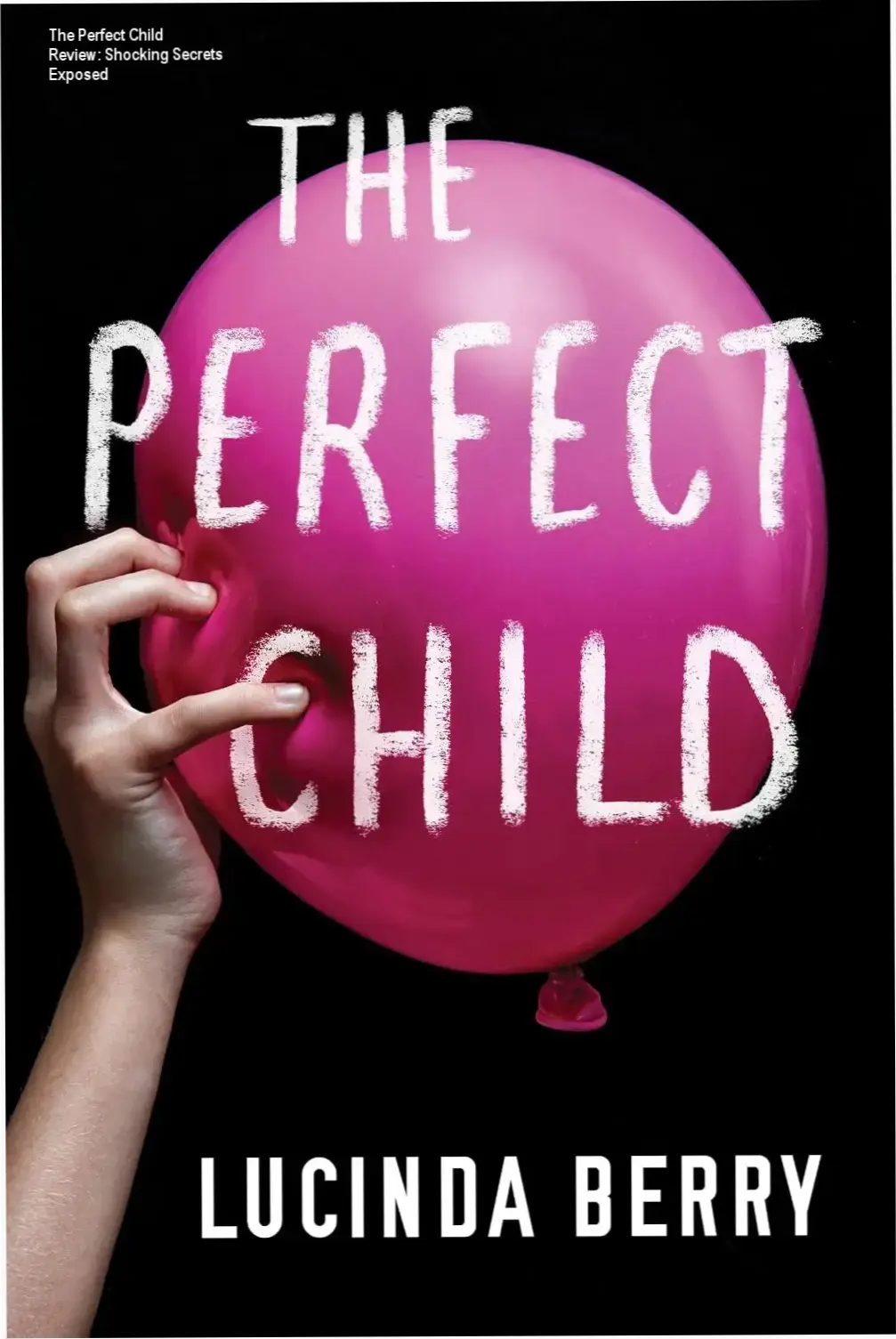
The Perfect Child Review: Shocking Secrets Exposed
Imagine discovering your dream home only to realize it’s built on a foundation of secrets. This is the unsettling premise of *The Perfect Child* by Lucinda Berry—a thriller that weaponizes the universal longing for parenthood to craft a chilling psychological landscape. The novel follows Christopher and Hannah, a seemingly idyllic couple whose desperation to adopt a child spirals into a nightmare when they take in Janie, a six-year-old with a fractured psyche. Berry’s exploration of how societal pressures and emotional naivety can distort even the most loving intentions resonates deeply in an era where fertility treatments and adoption waitlists fuel desperation. While marketed as suspense, the book also dissects the fragility of trust in relationships, making it a dark mirror to modern anxieties about “fixing” broken systems. For readers craving thrillers that dissect human behavior rather than relying on jump scares, this debut promises a visceral, if uncomfortable, journey. [Check Amazon’s bestseller list to see how this gripping narrative climbed to the top of #BookTok.](https://amzn.to/4w3t37P)
Ready to dive into *The Perfect Child*?
Explore available editions, check current live pricing, or download a free sample directly on Amazon.
Preview Free Sample & Check Price on Amazon
*You will be redirected to Amazon. As an Amazon Associate, we may earn from qualifying purchases.
The novel’s greatest strength lies in its unflinching portrayal of parenthood as both a sanctuary and a battleground. Christopher and Hannah’s initial harmony crumbles as Janie’s attachment issues manifest in manipulative behaviors—self-harm, aggression toward Hannah, and an obsessive clinging to Christopher. Berry masterfully inverts the “chosen child” trope, framing Janie not as a victim but as an active agent of psychological erosion. This tension between nurture and nature forces readers to question: Is Janie a child in need of healing, or a predator exploiting parental guilt? The answer, as with all great thrillers, is a poisonous blend of both.
Expectation vs. Reality: When “Perfect” Becomes a Cage
Many readers approach *The Perfect Child* expecting a traditional adoption story—one where love conquers all. Instead, Berry delivers a subversive critique of how societal ideals of “perfect parenting” can enable toxic dynamics. Hannah’s inability to bond with Janie, despite her best efforts, reflects a universal but rarely discussed truth: parenthood isn’t a one-size-fits-all role. This dissonance between expectation and reality fuels the novel’s emotional core. As one Goodreads reviewer noted, “I thought I’d hate Janie, but she made me question how much I’d do to protect my own child—even if it meant sacrificing my sanity.”
Writing Style: Pacing That Mirrors Psychological Decay
Berry’s prose is taut and economical, mirroring the claustrophobic tension of her characters’ lives. The narrative unfolds in tight, episodic chapters that escalate Janie’s destructive behavior while slowly unraveling the truth about her past. Unlike sprawling family sagas, the novel’s lean structure keeps the focus on psychological minutiae—subtle glances, half-remembered conversations—that build to a harrowing climax. A Reddit user praised the pacing: “The book never lets up. Every chapter felt like a step deeper into a trap, and I couldn’t look away.”
Real-World Value: A Cautionary Tale for Modern Parents
Beyond its thriller elements, *The Perfect Child* serves as a cautionary tale about the dangers of conflating compassion with codependency. Janie’s manipulation of Christopher—gaslighting him into believing her actions stem from love rather than control—parallels real-world cases of narcissistic abuse. The novel’s climax, which exposes Janie’s traumatic history, doesn’t excuse her behavior but contextualizes it, leaving readers to grapple with the ethics of forgiveness. As one Amazon reviewer wrote, “It’s not just a story about a broken child; it’s a mirror held up to how we romanticize ‘fixing’ people.”
Reader Reception: Polarizing, Yet Unputdownable
The book’s reception is decidedly split. While many praise its suspense and emotional depth, others criticize its lack of resolution. “The ending felt rushed,” one reviewer lamented, “but that’s the point—Berry leaves you unsettled, much like the characters.” This ambiguity has sparked heated debates on platforms like Goodreads, where readers dissect whether Janie’s actions were premeditated or a product of her environment. For those willing to sit with discomfort, the novel offers a rare blend of commercial appeal and literary heft.
| Theme | Analysis | Reader Takeaway |
|---|---|---|
| Parenthood & Control | Christopher’s obsession with “fixing” Janie mirrors toxic masculinity in caregiving. | “I never realized how often I’d compromise my values to ‘be a good parent.’” |
| Trauma & Manipulation | Janie’s backstory isn’t a justification but a lens to understand her agency. | “It made me rethink how I define ‘good’ versus ‘bad’ in children.” |
| Societal Pressure | The couple’s desperation reflects real-world stigmas around adoption and infertility. | “This book should be required reading for anyone considering foster care.” |
*The Perfect Child* thrives where most thrillers falter: it doesn’t just scare—it interrogates. By weaving a personal crisis into a broader commentary on societal expectations, Berry crafts a narrative that lingers long after the final page. Whether you’re drawn to its suspense, its psychological depth, or its uncomfortable truths, the book demands to be read—and re-read—with a critical eye. And if you’re still on the fence, remember: the best stories aren’t the ones that promise easy answers, but the ones that force you to ask better questions.
Who Should Actually Read This?
The Perfect Child isn’t for the casual reader looking for a cozy mystery. It is specifically engineered for fans of “domestic noir” and psychological suspense who enjoy watching a curated, perfect life dismantle itself from the inside out.
You will find high value in this narrative if you appreciate:
- Toxic Power Dynamics: The slow erosion of a marriage through third-party manipulation.
- The “Evil Child” Trope: If you liked The Bad Seed or Orphan, this hits those same visceral notes.
- Slow-Burn Dread: The feeling of being the only person in the room who sees the truth while everyone else is blinded by affection.
Who Should Skip This Book
Avoid this title if you are looking for a heartwarming story about the triumphs of adoption or a clinical, academic study on childhood trauma. This is a commercial thriller, not a medical textbook.
Additionally, readers who are sensitive to themes of psychological manipulation involving children or those who require a fast-paced, action-heavy plot may find the pacing too focused on the internal emotional decay of the protagonists.
The Reality Check: Value vs. Expectation
A common mistake readers make with Lucinda Berry’s work is expecting a traditional “whodunnit.” This isn’t a puzzle to be solved; it’s a pressure cooker. The value doesn’t lie in a shocking twist for the sake of a twist, but in the uncomfortable exploration of how desperation for parenthood can blind a rational person—even a surgeon.
At 371 pages, the length is appropriate for the tension it builds. It doesn’t overstay its welcome, though the psychological claustrophobia can be taxing for some.
Editorial Conclusion
The Perfect Child succeeds because it weaponizes the most primal of desires: the need to be loved and the need to be a parent. While it leans into certain thriller clichés, the execution is sharp, and the emotional stakes feel authentic.
It is a lean, unsettling read that delivers exactly what it promises: a disturbing look at the consequences of “getting what you always wanted.” For a better sense of how the community reacted to the ending, we suggest checking the latest reader reviews and current pricing on Amazon.
Final Editorial Verdict
“The Perfect Child” delivers on its core promise for its intended audience, offering compelling insights without fluff. As highlighted in our detailed edition breakdown, its practical depth and readability are its greatest strengths.
We also recommend checking the official Kindle sample and reader ratings before making your final purchase decision.
*You will be redirected to Amazon. As an Amazon Associate, we earn from qualifying purchases.