John Grebble Is Gone: Legal Thriller Review & Insights
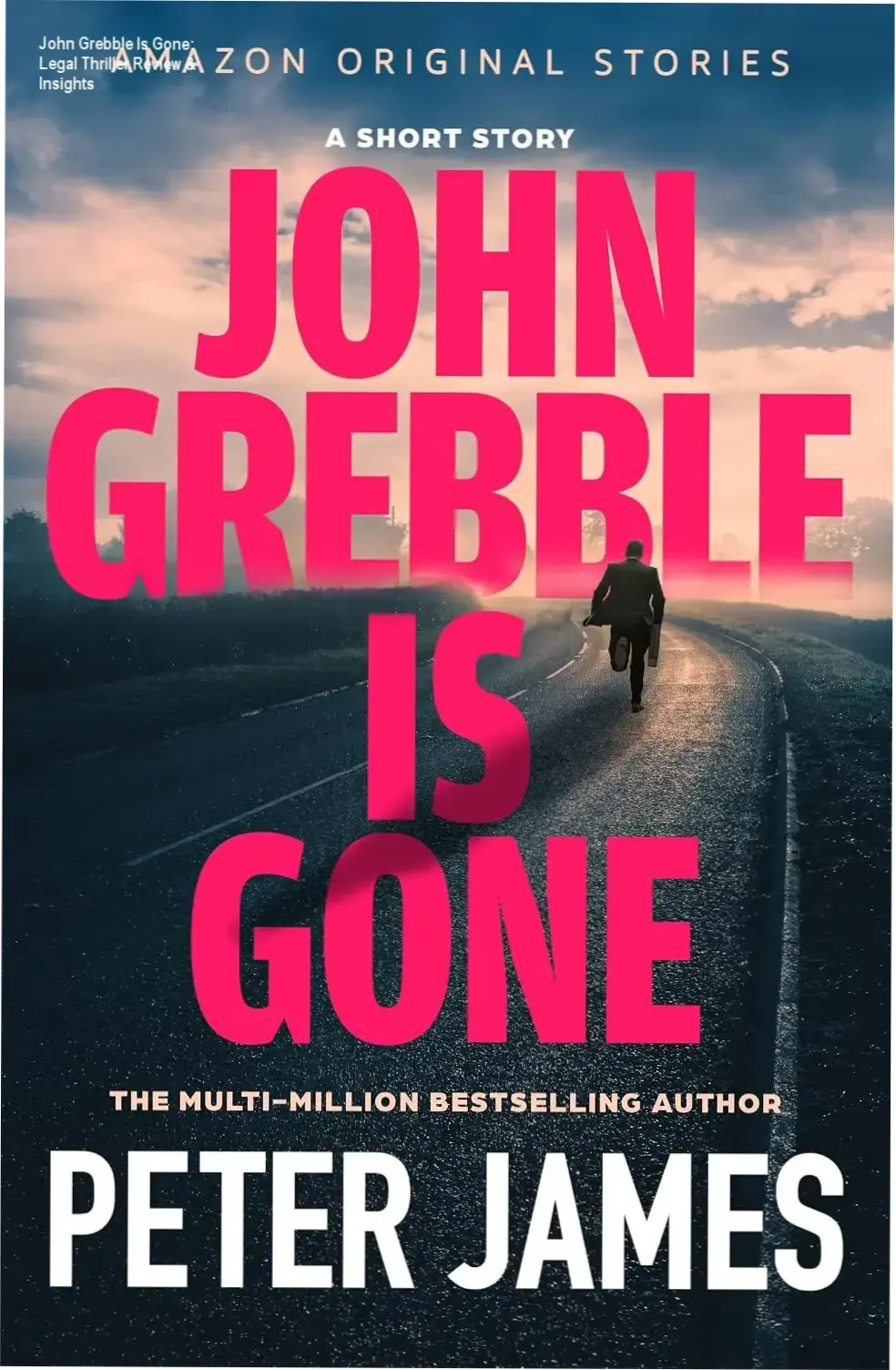
The nightmare of digital erasure isn’t science fiction anymore; it’s a Tuesday morning headache waiting to happen. We trust systems—banks, governments, cloud backups—to validate our existence. Peter James takes that trust and shreds it in John Grebble Is Gone. The premise is brutally simple: a man wakes up to find every database, every institution, and every legal record insists he is deceased. His assets are frozen. His history is deleted. He is a ghost in his own life. This taps into a primal, modern anxiety: what happens when the algorithm decides you don’t exist? James, a veteran of the police procedural with the Roy Grace series, strips away the squad room here. He delivers a concentrated shot of paranoia. It’s a short read, clocking in at just 73 pages, published as an Amazon Original Story. You can check the current reader reception and availability here. The “Legal Thriller” bestseller tag is interesting because this feels less like a courtroom drama and more like a Kafkaesque techno-thriller. It asks a sharp question: in a world where identity is just data, who controls the delete key?
The format dictates the pace. This isn’t a sprawling novel; it’s a novella designed for a single sitting. That constraint forces James to be ruthless. There is no fluff, no B-plot involving a detective’s divorce. It is pure propulsion. The “dark humour” mentioned in the blurb is essential—it stops the premise from becoming unbearably bleak. Grebble’s reaction to his own erasure oscillates between bureaucratic rage and surreal disbelief. It grounds the high concept in a very human, very British stubbornness. Readers expecting the slow burn of a full-length Grace novel might feel whiplash. This is a different beast entirely: a sprint, not a marathon.
Ready to dive into “John Grebble Is Gone”?
Explore available editions, check current live pricing, or download a free sample directly on Amazon.
Preview Free Sample & Check Price on Amazon
*You will be redirected to Amazon. As an Amazon Associate, we may earn from qualifying purchases.
Writing Style: Surgical Precision Meets Black Comedy
James writes clean. His prose is functional, designed for velocity. In a 73-page story, every sentence must pull weight. He achieves this by stripping back interior monologue in favor of action and dialogue. We learn who Grebble is by watching him react to the impossible. The “dark humour” isn’t joke-telling; it’s situational irony. The absurdity of arguing with a call center operative that you are alive while their screen flashes DECEASED is where the comedy lives. It’s a very British coping mechanism—laughing at the bureaucracy while the walls close in.
The pacing is relentless. The inciting incident happens immediately. There is no “ordinary world” chapter. We hit the ground running. This serves the thriller genre well but sacrifices deep character texture. Grebble is an archetype: the competent professional suddenly rendered powerless. That works for a parable. It works less well if you need deep psychological realism. The Kindle format suits this perfectly. It reads like a long-form magazine feature or a high-budget TV episode script. Short chapters. Cliffhanger breaks. White space on the page. It’s engineered for the device in your hand.
Narrative Structure: The Kafkaesque Sprint
The structure is a straight line with sharp switchbacks. Act One: The Erasure. Act Two: The Analog Resistance. Act Three: The Confrontation. Because the page count is low, the “investigation” phase is compressed. Grebble can’t spend weeks digging through archives. He has to use brute force, old contacts, and physical presence to fight a digital enemy. This is the book’s smartest thematic move: the only way to beat the system is to go offline. Cash. Face-to-face meetings. Paper trails. It turns the thriller into a manifesto for analog resilience.
The ending lands a twist that recontextualizes the “personal” nature of the attack. Without spoiling it, the motive shifts from random cybercrime to something intimate and petty. That shift elevates the book from a tech-thriller exercise to a character study. The 3.8-star average on Amazon (nearly 6,000 ratings) suggests the ending is divisive. Some readers want a grand conspiracy; James delivers a human one. That friction is where the book lives.
Core Themes: Identity as a Service
The central theme is the fragility of the digital self. We are rows in a database. James extrapolates the “identity theft” trope to its logical extreme: not theft, but deletion. It’s a crucial distinction. Theft implies value. Deletion implies you never mattered. The book explores the panic of systemic exclusion. No bank card means no hotel, no fuel, no food. No ID means police custody. It happens in hours. That timeline is terrifyingly realistic. The “Right to be Forgotten” becomes the “Right to be Erased” without consent.
Secondary themes include institutional blindness. The police don’t investigate; they process. The bank doesn’t help; it follows protocol. The humanity is outsourced to flowcharts. Grebble’s victory requires human connection—friends who believe him over the screen. It’s a simple message, but effective: trust people, not platforms. The “Legal Thriller” categorization likely stems from the probate/estate angle—lawyers circling a “dead” man’s assets—but the legal system is mostly a backdrop for the chase.