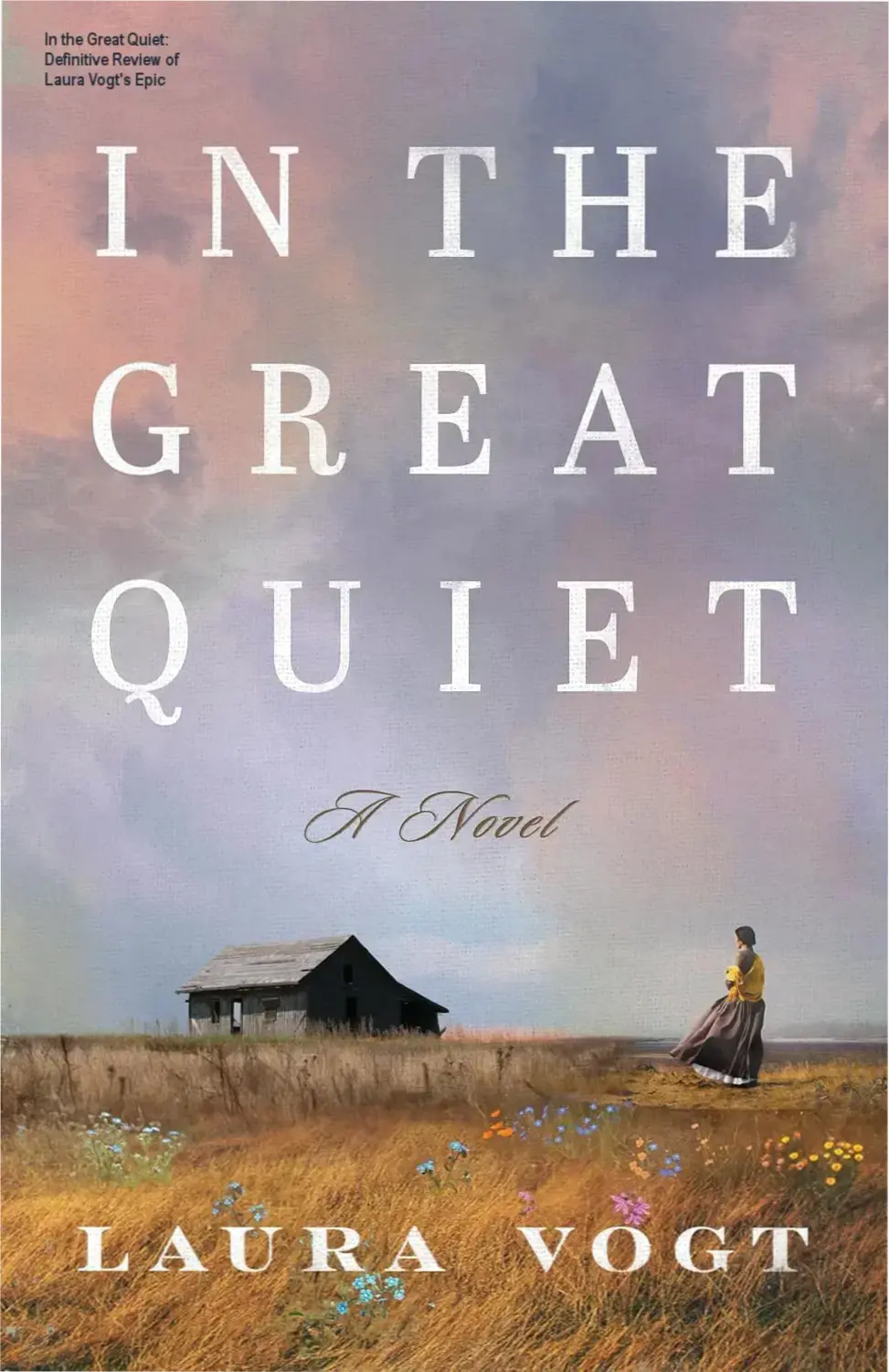
In the Great Quiet: Definitive Review of Laura Vogt’s Epic
The silence of the Oklahoma plains in 1893 wasn’t empty; it was heavy with consequence. We often romanticize the frontier as a blank slate, a place where grit alone writes the story, but Laura Vogt’s In the Great Quiet reminds us that land claims require more than stamina—they demand a reconciliation with the ghosts you dragged along in your wagon. Minnie Hoopes isn’t chasing a dream; she is outrunning a past sharp enough to draw blood, and the novel understands that survival on the fringe of civilization is as much an internal siege as an external one. If you have ever felt the weight of a secret in a quiet room, this premise will land hard. You can check the current reader reception and availability right here.
Vogt builds her narrative on the bedrock of family history—her own great-great-grandparents—and that lineage shows in the texture of the prose. It avoids the polished sheen of typical historical romance, opting instead for the grit of a survivalist memoir disguised as fiction. The land rush opening is chaotic, loud, and disorienting, perfectly mirroring Minnie’s internal state. But the book earns its title in the seasons that follow, where the “great quiet” becomes a character itself: indifferent, beautiful, and lethal. It sits comfortably beside works like News of the World or The Great Alone, appealing to readers who want their history unvarnished and their heroines complicated.
Ready to dive into “In the Great Quiet”?
Explore available editions, check current live pricing, or download a free sample directly on Amazon.
Preview Free Sample & Check Price on Amazon
*You will be redirected to Amazon. As an Amazon Associate, we may earn from qualifying purchases.
Writing Style & Pacing: The Rhythm of Seasons
Vogt writes with a deliberate slowness that mimics agricultural time.
There are no shortcuts through winter here.
Sentences are lean, often stripped of adornment, reflecting Minnie’s pragmatic worldview.
Yet, when violence erupts—and it does, sharply—the prose accelerates into a staccato rhythm that feels visceral.
Readers on Goodreads frequently note the “atmospheric density.”
One verified reviewer wrote, “You smell the dust and feel the cold,” highlighting how sensory details carry the emotional weight dialogue often avoids.
The pacing respects the “long haul” of homesteading.
It refuses the urge to manufacture constant cliffhangers.
Instead, tension accumulates like snowdrifts.
The midpoint shift—Minnie’s uneasy alliance with Stot—alters the tempo from solitary endurance to a tense two-hander.
It is a structural risk that pays off.
The dialogue feels period-authentic without becoming unreadable dialect soup.
Vogt trusts subtext over exposition.
What characters don’t say to each other carries more plot momentum than what they do.
Core Narrative Structure: Myth vs. Memoir
The novel operates on a dual engine: the macro myth of Manifest Destiny and the micro memoir of a specific bloodline.
The Land Run of 1893 serves as the inciting incident, but it is not the plot.
The plot is Minnie’s negotiation with autonomy.
Structurally, Vogt employs a seasonal framework.
Spring brings planting and hope; summer brings heat and outlaws; autumn brings harvest and reckoning; winter brings silence and truth.
This cyclical structure grounds the reader.
It prevents the episodic nature of frontier life from feeling aimless.
The “true story” backbone provides a guardrail against melodrama.
You sense the author holding back where a lesser novelist would invent spectacle.
The outlaw Stot is not a romanticized rogue.
He is dangerous utility.
Their relationship defies easy categorization—partnership, mutual hostage situation, fragile trust.
This ambiguity is where the novel lives.
Amazon reviewers often cite this relationship as the “heart” of the book.
A top review noted: “Not a romance. A survival pact.”
That distinction matters.
It elevates the book above genre tropes.
Reader Scorecard: The Verdict at a Glance
| Question | Verdict |
|---|---|
| Is it historically accurate? | Highly likely; based on the author’s real family history. |
| Is the pacing fast? | Moderate; it prioritizes atmosphere and emotional depth. |
| Is it a romance-first book? | No; it is a historical survival drama with romantic undertones. |
Ultimately, Laura Vogt has crafted a transportive experience that rewards patience. If you are looking for a story that lingers in your mind long after the final page, it is worth your time. You can check the latest reader reviews on Amazon to see how other historical fiction enthusiasts have rated the pacing.
Final Editorial Verdict
“In the Great Quiet: A Novel” delivers on its core promise for its intended audience, offering compelling insights without fluff. As highlighted in our detailed edition breakdown, its practical depth and readability are its greatest strengths.
We also recommend checking the official Kindle sample and reader ratings before making your final purchase decision.
*You will be redirected to Amazon. As an Amazon Associate, we earn from qualifying purchases.
Posts Similares
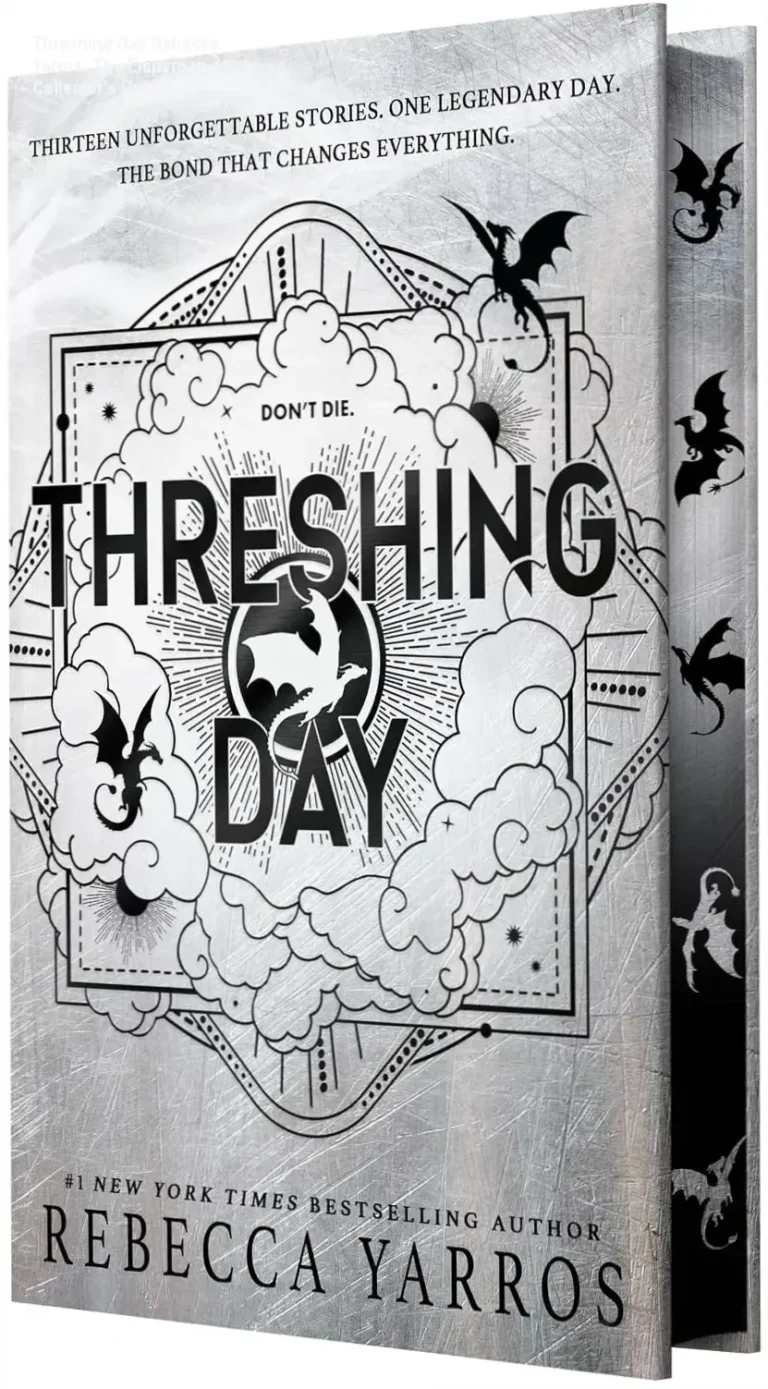
Threshing Day Rebecca Yarros: The Empyrean Collector’s Guide
The fantasy romance market has a retention problem. Readers devour a main series in days, then face a years-long vacuum before the next novel arrives, often filling the gap with fan fiction or repetitive rereads that dilute the magic. Rebecca Yarros’s The Empyrean universe sits precisely at this pressure point, commanding a ferocious fandom desperate…
The Redemption by Nikki Sloane: The Definitive Review
We like to believe that reputation is a fortress, something built over decades of prestige and strategic networking. But in the world of the ultra-wealthy, a reputation is more like a house of cards in a windstorm. One scandal, one leaked email, or one catastrophic lapse in judgment, and the elite are suddenly whispering about…
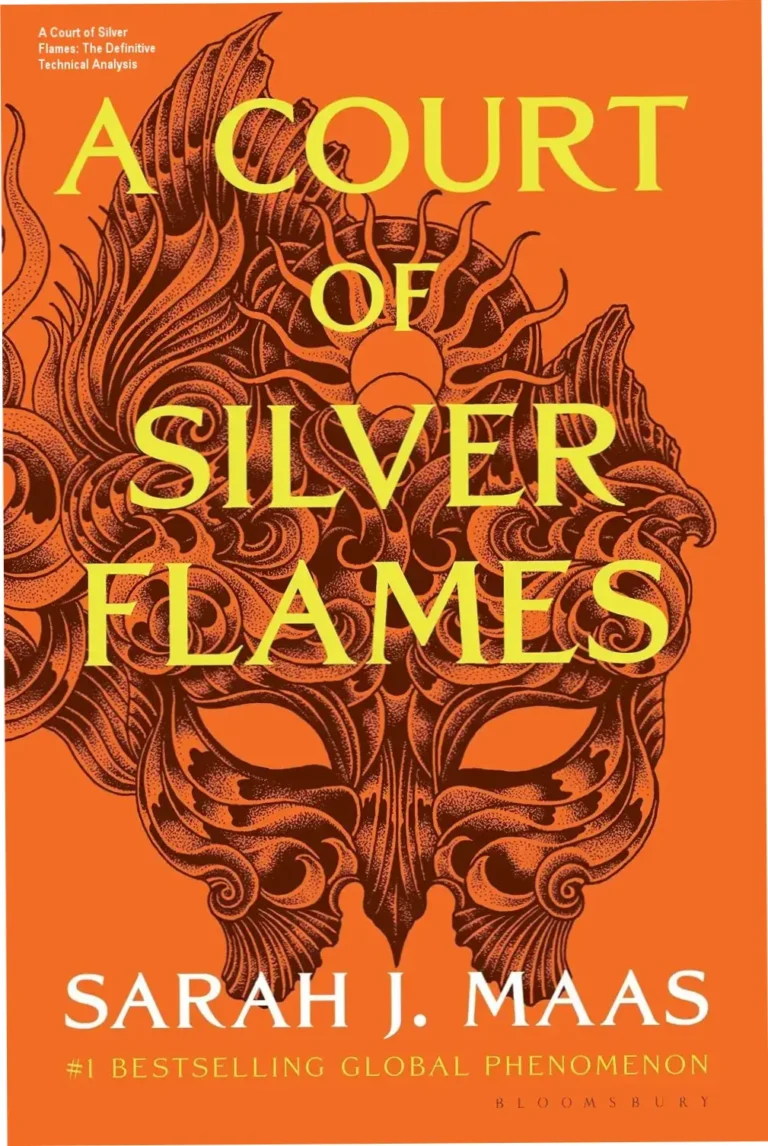
A Court of Silver Flames: The Definitive Technical Analysis
Most readers approach high fantasy seeking a temporary exit from reality. They want magic, sprawling empires, and impossible romances. But the real engine driving the obsession with Sarah J. Maas isn’t the world-building—it’s the visceral, often uncomfortable exploration of psychological trauma. When we look at Nesta Archeron, we aren’t seeing a typical heroine. We are…
The Last Time I Lied: Final Verdict on Riley Sager’s Novel
Most of us have a place we promise never to return to. A childhood home, a failed relationship, or a specific street corner that triggers a visceral sense of dread. We tell ourselves that time heals, but trauma is more like a stain—it doesn’t disappear; it just fades until something rubs it the wrong way….
The Ruler: Roman Republic Book 1 | Complete Analysis & Verdict
Most people treat vacation as a reset button, a way to escape the monotony of a failing relationship or a dead-end job. But in the world of dark romance, a trip to Sicily isn’t just a getaway; it’s a catalyst for total chaos and an invitation to a world where the rules of civil society…
One Hot Summer Wedding Review: Forced Proximity Romance Verdict
Summer reading lists are usually cluttered with doorstoppers that demand weeks of commitment, but sometimes the real challenge is finding a complete emotional arc you can finish before your sunscreen wears off. The novella format walks a razor-thin line: too short and the romance feels unearned; too long and it loses that “single sitting” appeal….