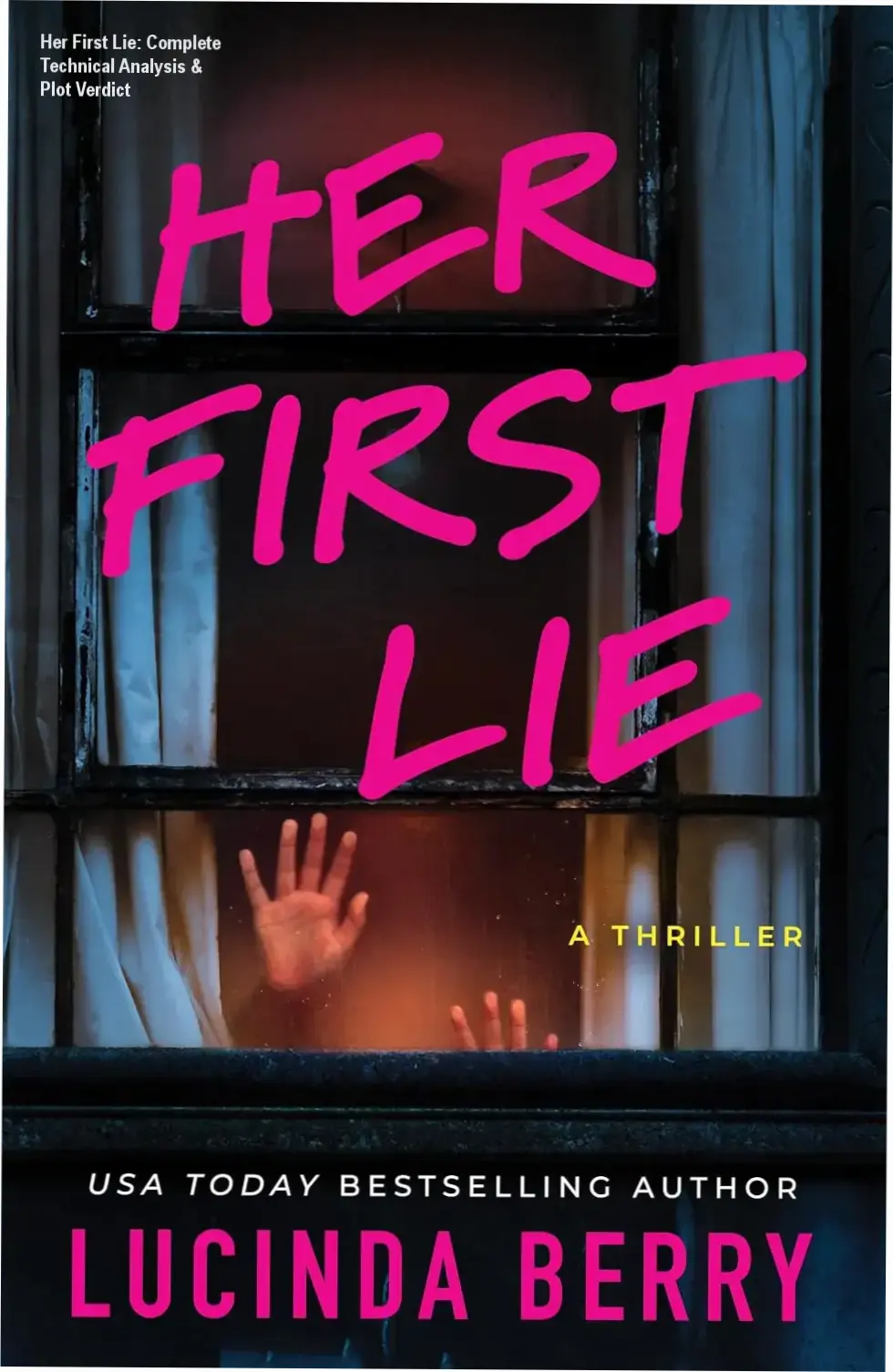
Her First Lie: Complete Technical Analysis & Plot Verdict
We like to believe we can escape our origins. We tell ourselves that the trauma of our parents or the dysfunction of our childhood is a ghost we can outrun if we just move far enough away or work hard enough.
But psychological thrillers like Her First Lie thrive on the uncomfortable truth that we often inherit more than just eye color; we inherit a predisposition for survival and, occasionally, a capacity for darkness. For readers seeking a story about the fragility of motherhood and the weight of ancestral secrets, checking the current reception of Lucinda Berry’s work reveals a pattern of disturbing, fast-paced narratives that challenge our notions of family loyalty.
Ready to dive into “Her First Lie”?
Explore available editions, check current live pricing, or download a free sample directly on Amazon.
Preview Free Sample & Check Price on Amazon
*You will be redirected to Amazon. As an Amazon Associate, we may earn from qualifying purchases.
The Prequel Dilemma: Expectation vs. Reality
Coming into Her First Lie, there is a common misconception that prequels are merely “filler” content. Many readers assume they are just origin stories designed to sell more copies of the original book, The Perfect Child.
Berry flips this script. While it serves as a foundation, it functions as a standalone psychological study. It doesn’t just explain what happened; it explains why the madness became systemic.
The narrative focuses on Becky Watson, a college freshman harboring a newborn daughter. The tension isn’t built on a “whodunnit” mystery, but rather a “how bad will this get” dread.
If you’ve read the first book, the irony is palpable. If you haven’t, the story remains a tight, claustrophobic exploration of desperation. The pacing is aggressive, leaving little room for the characters to breathe—which is exactly how Berry wants you to feel.
Writing Style and Narrative Pacing
Lucinda Berry doesn’t do “slow burns.” Her prose is stripped down, direct, and intentionally unsettling. She focuses on the visceral reactions of her characters rather than flowery descriptions.
The chapters are short. The hooks are sharp. This creates a reading experience that mimics a panic attack—rapid, shallow, and breathless.
However, some critics on Goodreads argue that this “fast-food” style of pacing can occasionally sacrifice character depth. You get the action of the trauma, but sometimes the processing of it feels rushed.
That said, for a thriller, this is a feature, not a bug. The goal is to keep the reader turning pages, and Berry achieves this by consistently introducing new layers of deception just as the previous ones are peeled back.
| Metric | Performance | Analyst Note |
|---|---|---|
| Pacing | High Velocity | Hard to put down, but can feel breathless. |
| Plot Twists | Consistent | Predictable for genre vets, shocking for casuals. |
| Emotional Weight | Heavy/Dark | Deals withWho Should Read This (And Who Should Skip)This prequel hits a sweet spot for readers who prefer character-driven psychological suspense over high-octane action. If you enjoyed the slow-burn family dysfunction in The Perfect Child, this origin story deepens the lore significantly. It works best for readers who appreciate unreliable narrators and the messy, generational transmission of trauma. However, skip it if you need a fast-paced plot with constant twists. The first half is deliberately paced, focusing on atmosphere and Becky’s internal state rather than external thrills. Readers sensitive to themes of foster care systemic failures, prenatal secrecy, or manipulative grandmother figures might find the content triggering rather than thrilling. It’s also a poor entry point for newcomers; the emotional payoff relies heavily on knowing where these characters end up. Value Proposition: Depth vs. LengthAt 278 pages, the Kindle edition is a compact commitment—roughly a four-to-five-hour read for most. The prose is clean and accessible, typical of Berry’s clinical background shining through the narrative voice. You’re paying for psychological density, not page count. The value holds if you view it as a necessary companion piece that reframes the main novel’s antagonist. As a standalone? It feels incomplete, ending right where the main saga begins. Common misstep: buying this expecting a traditional “thriller” structure with a detective or a ticking clock. This is domestic noir. The tension comes from what isn’t said across the dinner table. Quick Contextual FAQ
Editorial SummaryHer First Lie succeeds as a character study of a villain-in-the-making. It humanizes Lillian without excusing her, and gives Becky a tragic agency often denied to “origin story” victims. The writing is disciplined, the atmosphere oppressive in the right ways. It’s a niche product for series completists and fans of generational trauma narratives. You can check current reader sentiment and live pricing here. Final Editorial Verdict“Her First Lie: A Thriller” delivers on its core promise for its intended audience, offering compelling insights without fluff. As highlighted in our detailed edition breakdown, its practical depth and readability are its greatest strengths. We also recommend checking the official Kindle sample and reader ratings before making your final purchase decision. *You will be redirected to Amazon. As an Amazon Associate, we earn from qualifying purchases. Posts Similares
|