A Court of Mist and Fury: Final Verdict & Complete Dossier
Many readers enter a fantasy series expecting a simple escapist adventure, only to find themselves confronted by the heavy, uncomfortable reality of psychological trauma. It is a common misconception that high fantasy is merely about dragons and magic; often, the most compelling stories use these elements to mirror the internal fractures we face in our own lives—the struggle to rebuild a sense of self after a period of profound suffering.
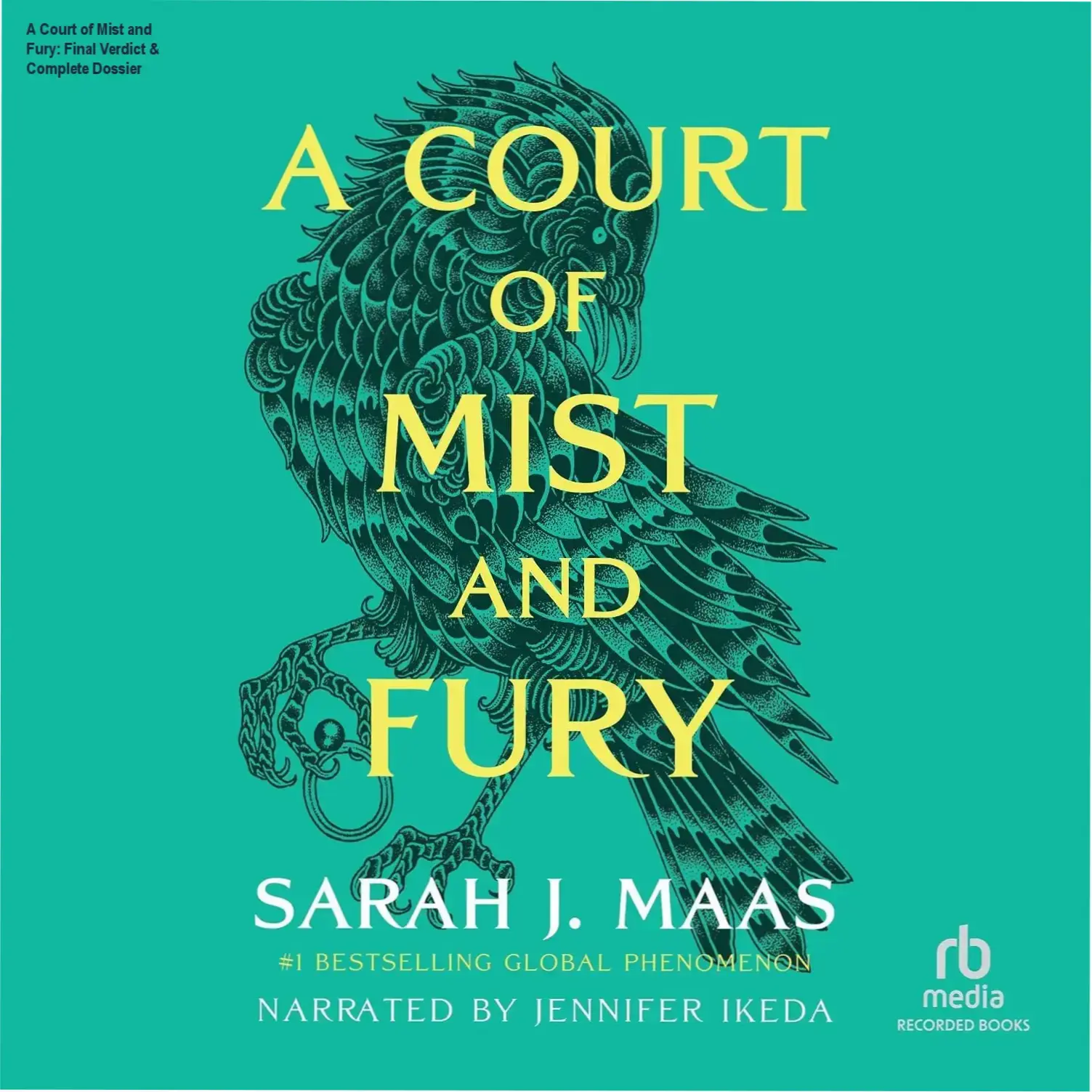
In “A Court of Mist and Fury,” Sarah J. Maas tackles this head-on. The narrative moves beyond the initial “fairytale” setup of the first book to explore how survival often leaves scars that no amount of magic can instantly heal. If you are looking to see how this massive phenomenon holds up under scrutiny, you can check the current availability and reader reception on Amazon.
Ready to dive into “A Court of Mist and Fury”?
Explore available editions, check current live pricing, or download a free sample directly on Amazon.
Preview Free Sample & Check Price on Amazon
*You will be redirected to Amazon. As an Amazon Associate, we may earn from qualifying purchases.
The Psychological Architecture: Trauma and Rebirth
The core of this installment is not the political maneuvering of the Fae courts, but Feyre Archeron’s internal landscape. After the harrowing events of the first book, the protagonist is not a triumphant hero; she is a shell of a person. Maas uses the “High Fae” transformation as a metaphor for the physical changes that often accompany emotional crises—you might look different or more powerful on the outside, but the “hollowness” remains.
Readers on platforms like Goodreads frequently highlight this as the moment the series transcends the “Young Adult” label. The narrative structure shifts from a survivalist quest to a slow-burn study of recovery. We see the tension between the Spring Court—which represents a suffocating, albeit “safe,” version of the past—and the Night Court, which offers a terrifying but necessary path toward autonomy.
Pacing and Narrative Velocity
One of the most discussed aspects in fan communities like Reddit is the pacing. Unlike the first book, which felt like a sprint toward a climax, *ACOMAF* is a marathon. It builds with intention. The early chapters are heavy, almost claustrophobic, mirroring Feyre’s PTSD. However, as she integrates into the Night Court, the pacing accelerates into a high-stakes political and romantic epic.
The audiobook version, narrated by Jennifer Ikeda, is a critical component of this experience. With a runtime of over 23 hours, the performance is essential for maintaining the emotional nuance required to navigate the shifts between dark psychological drama and high-octane action. The pacing isn’t just about plot points; it’s about the gradual thawing of a frozen soul.
Expectation vs. Reality: The Romance Pivot
For many, the “romance” aspect is the primary driver. However, there is a significant cognitive dissonance for readers who expected a continuation of the dynamics established in the first book. Maas intentionally subverts the “protector” trope. While Tamlin represents a traditional, albeit controlling, form of safety, Rhysand introduces a dynamic based on agency and partnership.
This pivot is polarizing but structurally necessary. It forces the reader to question their own definitions of love and protection. Is love something that shields you from the world, or something that gives you the tools to face it? This thematic depth is what elevates the book from a standard romance to a cornerstone of the genre.
Technical Specifications and Reader Value
To provide a clear overview for potential listeners or readers, we have synthesized the technical data and the prevailing sentiment from the massive reviewer base (over 300,000 ratings).
| Feature | Details |
|---|---|
| Narrator | Jennifer Ikeda (Highly acclaimed for emotional range) |
| Total Runtime | 23 hours and 16 minutes |
| Core Theme | Healing from trauma and reclaiming autonomy |
| Genre Fit | New Adult / Fantasy Romance |
The Verdict: A High-Stakes Emotional Investment
Is this book for everyone? No. The explicit nature of the content and the heavy emphasis on emotional processing can be taxing. However, for those looking for a story that treats its characters as complex, flawed, and deeply human, it is unparalleled in its niche.
The “learning curve” here isn’t about understanding the magic system, but about accepting the character’s vulnerability. If you are prepared for a story that demands emotional labor in exchange for profound catharsis, this is a masterpiece of modern fantasy.
“Feyre finds herself split into two different people: one who upholds her bargain… and one who lives her life in the Spring Court. It is a brutal, beautiful depiction of the duality of survival.”
Pros and Cons Analysis:
- PRO: Exceptional character development that feels earned rather than forced.
- PRO: The transition from survival horror to political fantasy is seamless.
- CON: The slow-burn pacing in the first third may frustrate readers seeking immediate action.
- CON: Some tropes regarding “fated” dynamics may feel repetitive to seasoned fantasy readers.
Who Should Read This (And Who Should Skip It)
This is not a standalone fantasy romance. It is a pivotal bridge that demands emotional investment in the first book. If you disliked the pacing or prose style of A Court of Thorns and Roses, this sequel amplifies those traits rather than correcting them.
Ideal reader: Fans of character-driven arcs, slow-burn romance that earns its payoff, and heavy world-building. You enjoy watching a protagonist dismantle her own trauma in real-time across hundreds of pages.
Skip it if: You want a plot-heavy adventure with constant external action. The first half is deliberately claustrophobic—Feyre’s internal landscape *is* the plot. Readers allergic to “miscommunication tropes” or love triangles (even subverted ones) will find the middle sections frustrating.
Common misstep: buying the audiobook expecting background noise. Jennifer Ikeda’s narration is excellent, but the dense political maneuvering and internal monologues require active listening. The 23-hour runtime is a commitment, not a commute filler.
Value Proposition: Hardcover vs. Audio vs. Digital
The physical hardcover holds resale value and features the iconic map endpapers—essential for tracking the Court geography. The Kindle edition frequently drops to promotional pricing, making it the lowest-risk entry point. The Audible version adds performance texture to Rhysand’s POV shifts, justifying the credit cost for auditory learners.
At full price ($15–$20 digital/audio), it sits at the premium end of YA/NA fantasy. The value unlocks on rereads; foreshadowing for books three through five is densely layered here. If you are budget-conscious, wait for a Kindle Daily Deal or library hold.
Quick Contextual FAQ
- Do I need to read the novellas? No. A Court of Frost and Starlight (Book 3.5) comes later. This flows directly from Book 1.
- Is the spice level higher? Yes, significantly. It moves from “fade to black” to explicit on-page intimacy. It serves character development, not gratuity.
- Does it end on a cliffhanger? It ends on a strategic pivot point. The immediate arc resolves; the war arc opens wide.
Editorial Bottom Line
A Court of Mist and Fury is the rare middle book that surpasses its predecessor by narrowing scope to deepen stakes. It trades broad strokes for surgical precision on trauma recovery and political agency. The pacing drag is real in chapters 10–25, but the payoff in the final third rewrites the series DNA. If you finished Book 1 curious about Rhysand or furious at Tamlin, this delivers catharsis. If you were indifferent, this won’t convert you. Check current pricing and reader sentiment here.
Final Editorial Verdict
“A Court of Mist and Fury” delivers on its core promise for its intended audience, offering compelling insights without fluff. As highlighted in our detailed edition breakdown, its practical depth and readability are its greatest strengths.
We also recommend checking the official Kindle sample and reader ratings before making your final purchase decision.
*You will be redirected to Amazon. As an Amazon Associate, we earn from qualifying purchases.