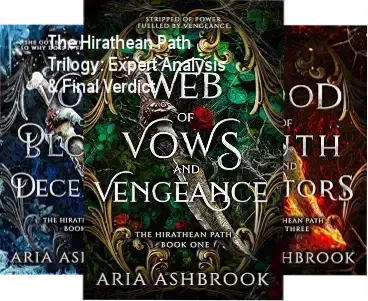
Most of us have felt the sting of an unfair loss. That moment when the rules of the game change without your consent, leaving you stripped of your advantages while others glide forward. It is a visceral human frustration that translates perfectly into the “underdog” narrative, a staple of modern fiction that continues to dominate the charts because it mirrors our own struggles with systemic injustice.
In the current Romantasy market, readers are no longer satisfied with simple magic; they want emotional wreckage and a slow-burn redemption. The Hirathean Path attempts to bridge this gap by blending high-stakes competition with deep-seated betrayal. If you are looking to see how this series handles the “stolen power” trope, you can check the current reader reception and availability here.
Ready to dive into “The Hirathean Path”?
Explore available editions, check current live pricing, or download a free sample directly on Amazon.
*You will be redirected to Amazon. As an Amazon Associate, we may earn from qualifying purchases.
The “Powerless” Paradox: Narrative Pacing and Stakes
Aria Ashbrook makes a bold choice right from the start: she strips the protagonist, Rose, of her primary weapon. In most fantasy novels, the lead discovers a hidden power. Here, the story is about the void where that power used to be.
This creates an immediate, suffocating tension. We aren’t waiting for Rose to become “the chosen one”; we are watching her navigate a world designed to crush her using only her wit and desperation. The pacing reflects this urgency.
The transition from the slums to the Tournament of the Gifting is handled with a surgical precision. Ashbrook doesn’t linger too long on the misery, which is a relief. She moves the plot toward the action, ensuring the reader feels the claustrophobia of the competition.
However, a skeptical reader might find the “tournament” trope a bit overused. From the Hunger Games to Fourth Wing, we’ve seen the “deadly competition” a thousand times. But the twist here isn’t the tournament itself—it’s the psychological warfare between Rose and Prince Kyor.
The Enemies-to-Lovers Minefield: Rose and Kyor
Let’s be honest: the “enemies-to-lovers” arc is a minefield. If the transition from hate to love is too fast, it feels unearned. If it’s too slow, the reader gets frustrated.
The chemistry between Rose and Kyor is built on a foundation of genuine resentment. Kyor didn’t just disagree with Rose; he lied, destroyed her family’s status, and left her in the dirt. That is a heavy debt to pay.
The tension works because it is rooted in power dynamics. Kyor holds the magic and the social standing; Rose holds the moral high ground and a burning need for vengeance. Their interactions are a chess match where the prize is survival.
“He doesn’t just want to win. He wants her dead.”
This line from the synopsis sets a high bar. The narrative delivers by making their connection feel dangerous. It isn’t a “cute” rivalry; it’s a collision of two broken people who are the only ones capable of understanding each other’s darkness.
Element
Execution
Reader Impact
Who This Series Is For (And Who Should Skip)
If you devoured The Cruel Prince or Fourth Wing and crave that specific blend of high-stakes tournaments, magical hierarchies, and a romance that simmers with genuine hatred before it burns, this series hits the sweet spot. Rose isn’t a chosen one waiting to be saved; she’s a strategist fighting uphill without powers, which makes her victories feel earned rather than gifted. The “found family” dynamic among the outcasts provides emotional ballast when the political maneuvering gets dense.
Conversely, readers allergic to first-person present tense or extensive internal monologuing during action sequences will struggle. The pacing prioritizes emotional processing over non-stop combat. If you want a magic system with hard rules and explicit cost tables, look elsewhere—this is soft magic serving the plot, not a sandbox for theory-crafting. The enemies-to-lovers arc is central, not a subplot; if that trope frustrates you, the payoff won’t land.
Value Proposition: Box Set vs. Singles
Buying the 3-book Kindle bundle is the only logical entry point. The narrative arc is a single continuous thread cut into thirds for publishing convenience; Book 1 ends on a cliffhanger that demands immediate resolution. Purchasing individually introduces friction and often costs more long-term. The prose tightens noticeably by Book 2—Ashbrook finds her rhythm—so judging the series solely on the opening chapters undersells the experience.
Audiobook narrators deserve a mention: the performance elevates the banter and internal wit significantly. If you “read with your ears,” the Whispersync value is high. Just verify the Kindle Unlimited status before buying; it rotates in and out of the catalog.
Common Missteps & FAQ
“Is it YA or Adult?” Marketing says Adult Romantasy, but the voice leans New Adult/Upper YA. Violence is implied rather than gratuitous; romance is closed-door to fade-to-black. Adjust expectations accordingly.
“Does the magic system make sense?” It serves the emotional stakes. Don’t overthink the mechanics.
“Love triangle?” No. Kyor is the anchor. Rivals exist for tension, not genuine romantic confusion.
Bottom line: This is a character-driven revenge opera wearing a tournament shell. It rewards patience and emotional investment. You can check current bundle pricing and reader sentiment here.
Final Editorial Verdict
“The Hirathean Path (3 book series)” delivers on its core promise for its intended audience, offering compelling insights without fluff. As highlighted in our detailed edition breakdown, its practical depth and readability are its greatest strengths.
Historical fiction often struggles with the weight of its own research, burying human stories under sediment layers of period-accurate detail. Maggie O’Farrell has built a career defying that gravity. After the intimate domestic tragedy of Hamnet and the courtly pressure cooker of The Marriage Portrait, she turns her gaze to the Irish west coast in…
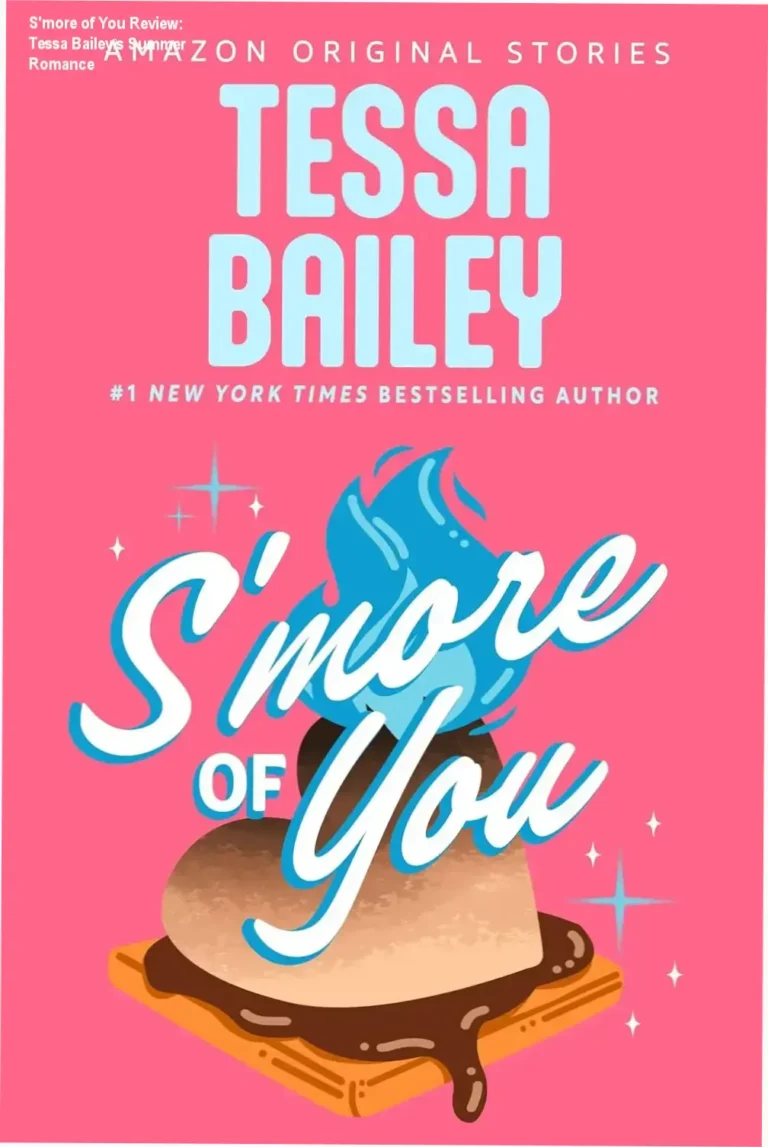
Summer reading lists are usually cluttered with doorstoppers that demand weeks of commitment, but sometimes the real challenge is finding a complete emotional arc you can finish before your sunscreen wears off. The novella format walks a razor-thin line: too short and the romance feels unearned; too long and it loses that “single sitting” appeal….
Historical fiction often falls into two traps: it is either too sanitized to be honest or too academic to be felt. Most readers approach novels about the American South expecting a predictable trajectory of suffering and redemption. They look for a moral compass that fits neatly into a modern narrative, often overlooking the complex, messy…
We have all felt the suffocating weight of expectations—that invisible script written by parents or society that tells us we are only valuable if we are perfect. For many, the fear of failure isn’t just about losing a job or a title; it is about the terrifying void that opens up when the only identity…
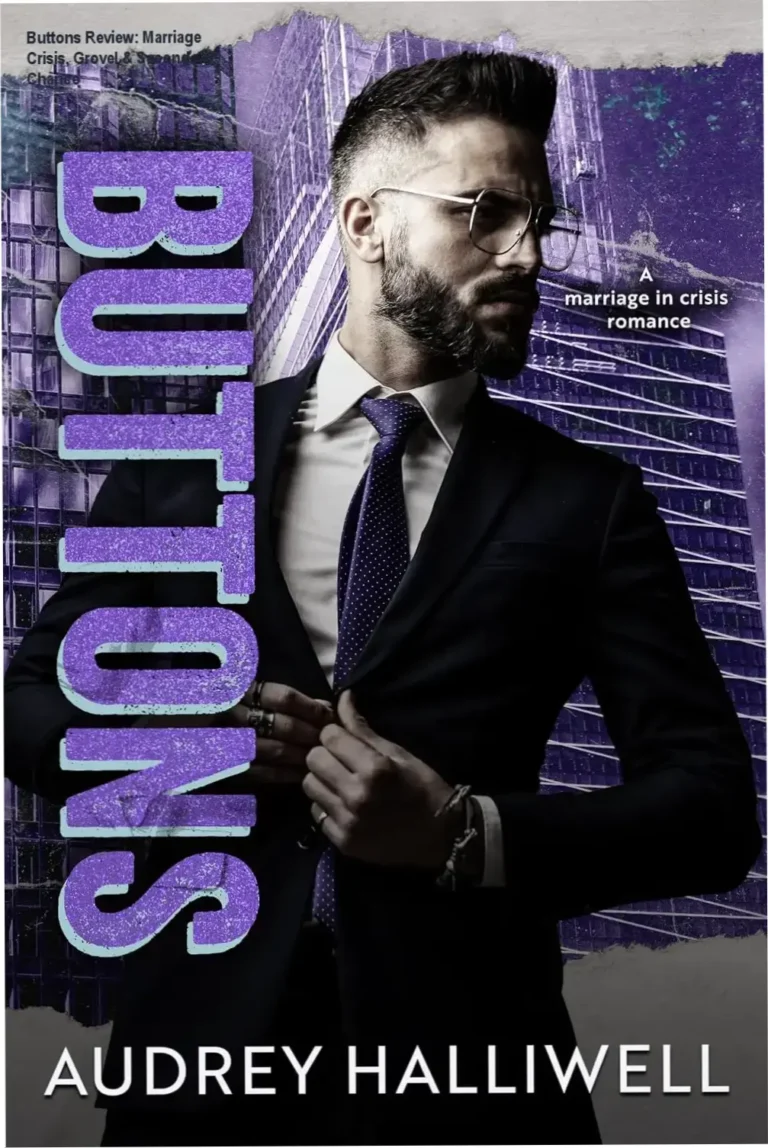
The “list of flaws” trope is a minefield in romance. Usually, it signals a hero who needs a personality transplant, not just a grovel. Readers pick up a marriage-in-crisis novel expecting emotional devastation, but they often get a quick apology followed by instant forgiveness. Buttons by Audrey Halliwell walks into this trap knowingly. Julian Plaza…
We need to produce the first part of a professional analytical book review following strict instructions. We must start with a contextualization paragraph ( ) of between 180 and 320 words. Must include exactly 1 contextual affiliate link using the tag “Link_afiliado”. Must not start with heading. Must vary opening using practical situation, common reader…