The Prophets by Robert Jones Jr.: Definitive Literary Dossier
Historical fiction often falls into two traps: it is either too sanitized to be honest or too academic to be felt. Most readers approach novels about the American South expecting a predictable trajectory of suffering and redemption. They look for a moral compass that fits neatly into a modern narrative, often overlooking the complex, messy intersections of identity and desire that existed in the shadows of the plantation.
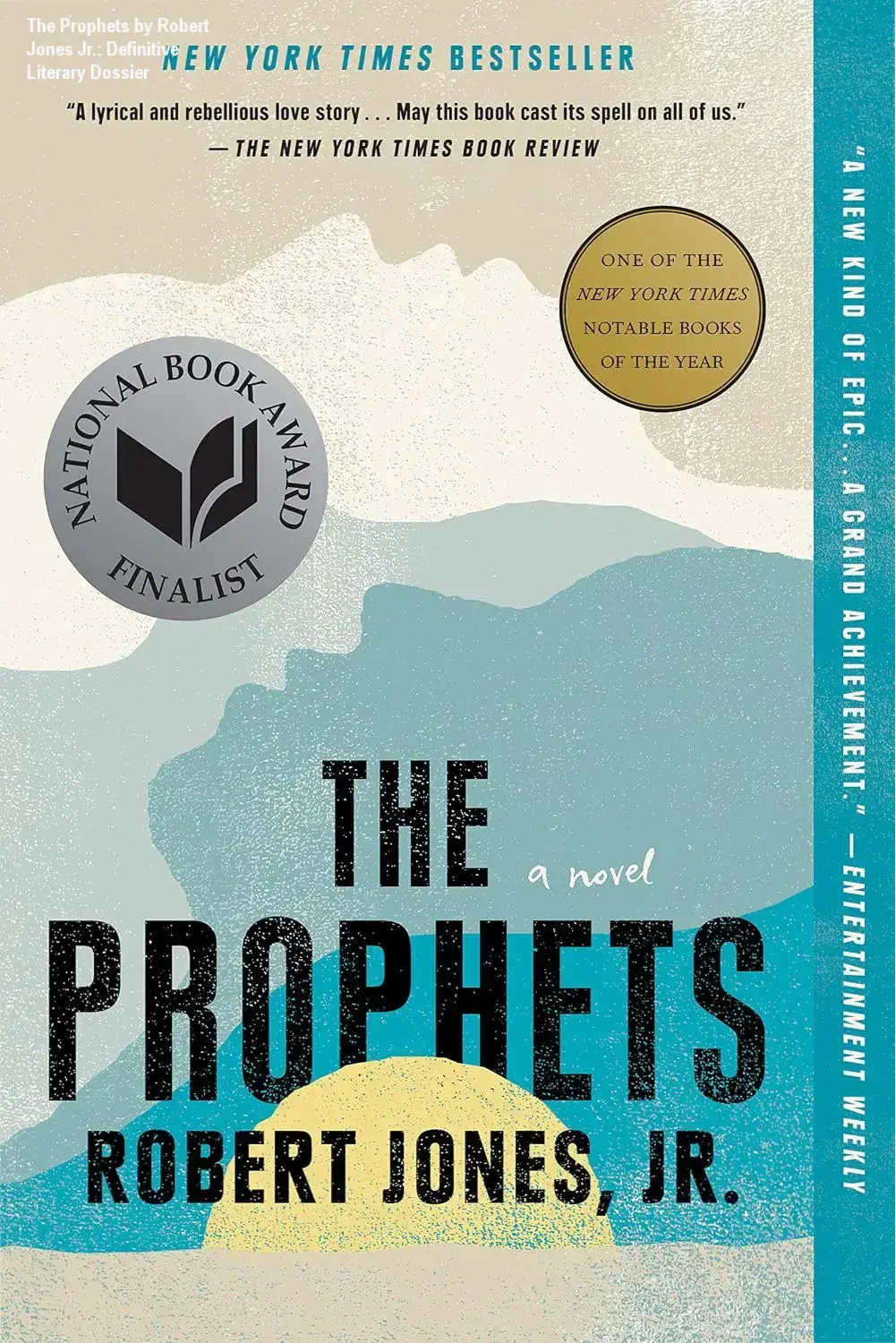
Robert Jones Jr. disrupts this expectation with The Prophets. Instead of a broad survey of slavery, he zooms in on the forbidden intimacy between two enslaved men, Isaiah and Samuel. It is a daring move for a debut, challenging the reader to confront not just the cruelty of the master, but the internal fractures within the enslaved community itself. You can check the current reader reception and availability of the book here to see how this provocative narrative has shifted the landscape of historical fiction.
Ready to dive into “The Prophets”?
Explore available editions, check current live pricing, or download a free sample directly on Amazon.
Preview Free Sample & Check Price on Amazon
*You will be redirected to Amazon. As an Amazon Associate, we may earn from qualifying purchases.
The Lyrical Brutality: Writing Style and Pacing
Let’s be clear: this is not a “fast” read. If you are looking for a plot-driven thriller, you are in the wrong place. Robert Jones Jr. writes with a rhythmic, almost biblical lyricism that demands your full attention. It is an echo of Toni Morrison, where the prose itself feels heavy, like the humid air of the Deep South.
The pacing is deliberate. It mirrors the slow, grinding passage of time on a plantation. The author focuses on the sensory details—the smell of the barn, the texture of skin, the oppressive silence of fear. This creates an immersive experience, but for some, it can feel stagnant.
Skeptics often argue that the prose is “too poetic” for the subject matter. However, this stylistic choice serves a purpose. By elevating the language, Jones Jr. grants the characters a dignity that their society denied them. The beauty of the writing contrasts sharply with the ugliness of the setting, creating a tension that sustains the narrative.
The Sanctuary and the Betrayal: Narrative Structure
The core of the story is the barn. For Isaiah and Samuel, this space is more than a place of work; it is a sanctuary. The narrative structure revolves around this fragile peace and the inevitable forces that seek to destroy it.
The conflict isn’t just “slaves vs. masters.” The most piercing pain comes from within. When a fellow enslaved man uses the master’s gospel to gain power, the betrayal becomes personal. It explores a grim reality: how oppression forces the oppressed to police one another to survive.
The book effectively balances the intimate whispers of the two protagonists with the booming, calculating voice of the slave master. This duality keeps the reader in a state of constant anxiety, knowing that the refuge in the barn is only a temporary illusion.
| Feature | Analysis | Impact on Reader |
|---|---|---|
| Prose Style | Lyrical, rhythmic, and dense. | High emotional immersion, slower reading speed. |
| Thematic Focus | Forbidden love and internal betrayal. | Deep psychological weight; challenging. |
| Pacing | Slow-burn, atmospheric. | Requires patience; rewards reflective readers. |
| Perspective | Multi-vocal (Enslaved and Master). | Provides a comprehensive, albeit painful, view. |
Expectation vs. Reality: The “Romance” Misconception
Many readers pick up The Prophets expecting a historical romance. While the love between Isaiah and Samuel is the heartbeat of the book, calling it a “romance” is reductive. This is a study of survival and the cost of desire in a world designed to break you.
On platforms like Goodreads, you will see a divide. Some readers are devastated by the ending, while others find it inevitable. The reality is that the book refuses to give the reader a cheap “happily ever after.” It understands that in the context of the Deep South, love is an act of rebellion, and rebellion has a price.
The “reality” of the book is its refusal to blink. It portrays the sexual violence and the systemic cruelty without sugarcoating, but it balances this with the “heroic power of love.” It doesn’t ask you to feel good; it asks
Who Should Actually Read This Book?
The Prophets isn’t for the casual reader looking for a breezy beach read. It is a dense, lyrical, and emotionally taxing piece of historical fiction. You will find immense value here if you appreciate the prose style of Toni Morrison or James Baldwin.
The ideal reader is someone who seeks a narrative that intertwines the brutality of the American South with the delicacy of forbidden love. If you value “literary” over “plot-driven”—meaning you care more about the weight of a sentence than the speed of the sequence—this is your book.
Who Should Skip It?
You should probably pass on this title if:
- You want a fast-paced plot: The narrative lingers. It breathes. It focuses on internal states and ancestral echoes rather than rapid-fire action.
- You are looking for an “escape”: This is not escapism. It is a confrontation with systemic trauma, religious hypocrisy, and physical violence.
- You prefer linear storytelling: The book weaves through voices and time, which can feel disorienting for those who prefer a strict A-to-B timeline.
Value for Money: Literary Investment vs. Entertainment
From a purely technical standpoint, the value is high. You are paying for a National Book Award finalist with a level of craftsmanship rarely seen in debut novels. However, the “cost” is emotional labor.
A common purchasing mistake is treating this as a standard romance novel because of the central relationship between Isaiah and Samuel. It is not. While love is the core, the book is a surgical examination of how power and religion are used to dismantle that love. If you buy this expecting a “happily ever after” trope, you will be disappointed.
Editorial Verdict: The Bottom Line
Robert Jones Jr. has managed to create a story that feels both timeless and urgently modern. The book succeeds because it doesn’t sanitize the horror of slavery, nor does it reduce its characters to mere victims. They are fully realized humans fighting for a shred of autonomy in a world designed to erase them.
It is a heavy lift, but the payoff is a profound understanding of the “inheritance of pain.” For those ready to engage with a challenging, beautiful, and devastating story, it is a mandatory addition to the shelf. You can explore the current pricing and read unfiltered customer experiences through the official Amazon listing.
Final Editorial Verdict
“The Prophets” delivers on its core promise for its intended audience, offering compelling insights without fluff. As highlighted in our detailed edition breakdown, its practical depth and readability are its greatest strengths.
We also recommend checking the official Kindle sample and reader ratings before making your final purchase decision.
*You will be redirected to Amazon. As an Amazon Associate, we earn from qualifying purchases.