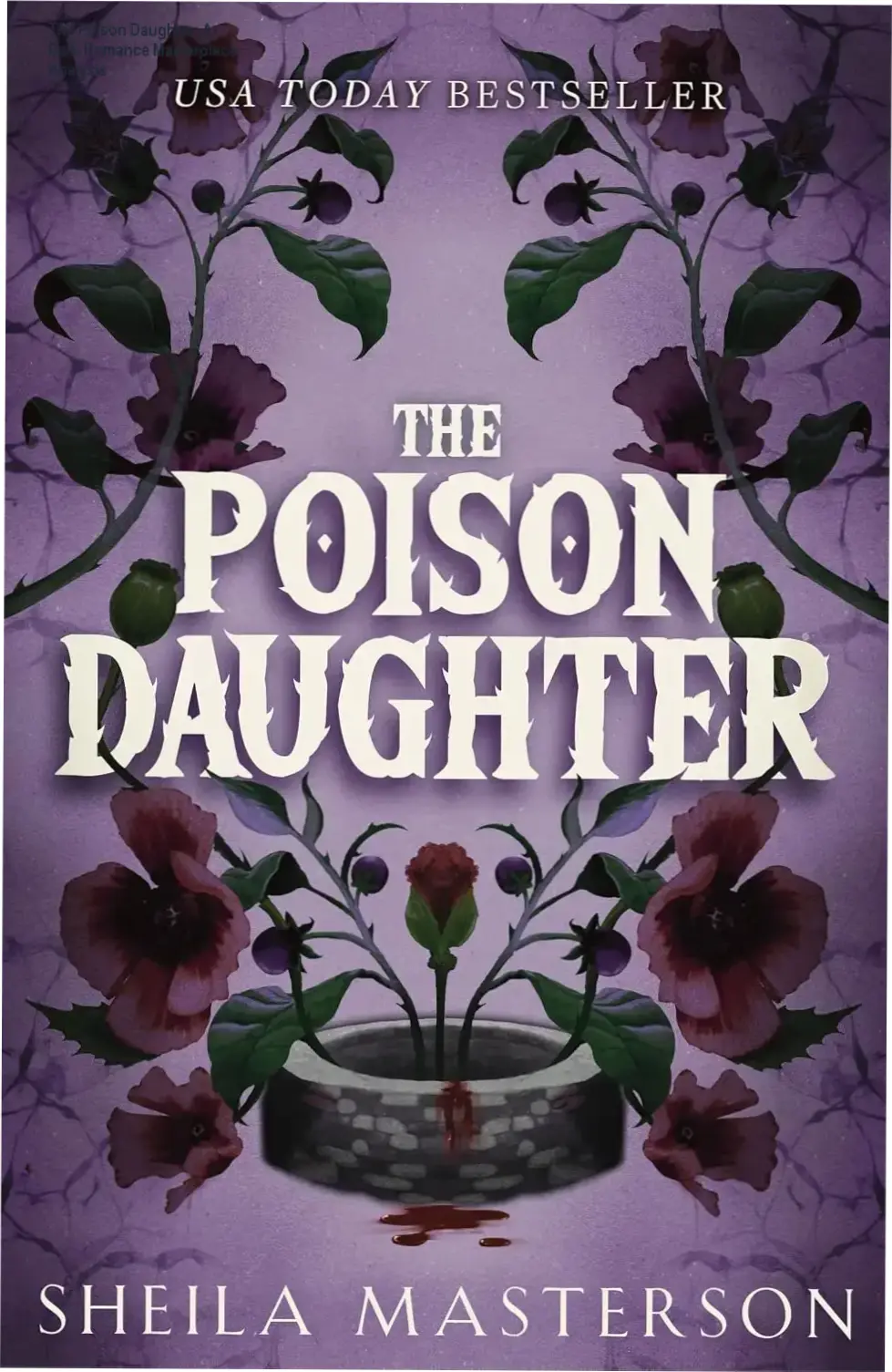
The Poison Daughter: A Dark Romance Masterpiece Analysis
We often wonder if justice can ever truly be served when the system itself is built on corruption. In a world where power is inherited and law is merely a tool for the elite, the concept of “vengeance” becomes a messy, necessary gray area. Many readers look to dark fantasy not just for escapism, but to see characters who finally stop asking for permission to fight back.
The “romantasy” genre has exploded lately, but finding a book that balances high-stakes political intrigue with genuine emotional tension is rare. Readers are no longer satisfied with simple tropes; they want grit, consequence, and protagonists who are deeply flawed. If you are looking for a story that challenges the traditional hero archetype, you should check the availability of The Poison Daughter to see why it has captured such massive attention in the fantasy community.
Ready to dive into “The Poison Daughter”?
Explore available editions, check current live pricing, or download a free sample directly on Amazon.
Preview Free Sample & Check Price on Amazon
*You will be redirected to Amazon. As an Amazon Associate, we may earn from qualifying purchases.
The Lethal Paradox of Harlow Carrenwell
The core of Sheila Masterson’s narrative lies in a fascinating contradiction. Harlow Carrenwell is an assassin by trade and a vigilante by choice. Her power—the ability to kill with a single kiss—is both her greatest weapon and her most profound isolation. This isn’t just a standard “chosen one” story; it is a study of what happens when your very touch is a death sentence.
The narrative structure effectively utilizes this tension. By introducing Henry Havenwood—the man who survives her kiss—Masterson immediately disrupts the status quo. The stakes shift from political survival to personal vulnerability. This transition from an unstoppable killer to a woman trapped in a mountain fort creates a claustrophobic, high-tension atmosphere that keeps the reader questioning every interaction.
Narrative Pacing and Genre Fusion
Masterson manages to weave three distinct threads together without losing the reader in the complexity: political intrigue in Lunameade, vigilante justice inspired by modern themes of empowerment, and a dark romance that refuses to follow standard “happily ever after” blueprints. This isn’t a light read; it is a heavy, atmospheric journey through a world infested by vampires and family secrets.
Based on reader discussions on platforms like Goodreads, many note that the pacing is relentless once Harlow reaches the mountain fort. The “enemies to lovers” trope is handled with a sense of genuine danger rather than just romantic tension. You don’t just wonder if they will kiss; you wonder if he will survive it, and if she can survive the truth of his family’s intentions.
| Feature | Analysis |
|---|---|
| Trope Intensity | High (Enemies to Lovers / Arranged Marriage) |
| World Building | Rich (Magical families and vampire lore) |
| Protagonist Depth | Complex (Vigilante vs. Assassin) |
Expectation vs. Reality: The Dark Fantasy Lens
There is often a misconception that “dark fantasy” simply means violence. However, reading through the feedback from the community, it is clear that Masterson uses violence as a thematic tool to explore agency. Harlow’s struggle isn’t just against her enemies, but against the destiny her family has scripted for her through her magical bloodline.
The comparison to “Promising Young Woman” is not hyperbolic. There is a visceral sense of retribution for those who abuse their power over others. This thematic layer elevates the book from a simple romance to a story about reclaiming one’s identity in a world that views you as a weapon or an asset.
Reader Sentiment and Market Positioning
With over 92,000 ratings on Goodreads and a massive following on Amazon, the data suggests that this book sits at the intersection of two massive demographics: the “Romantasy” enthusiasts and the dark fantasy lovers. It avoids the pitfalls of being too niche by maintaining strong character motivations that transcend the magic system.
Common critiques often mention the complexity of the political web in Lunameade, which may require focused attention. However, for readers who enjoy intricate lore and high stakes, this complexity provides the necessary depth to sustain a long page count (668 pages). It is an investment in time that rewards those looking for more than just surface-level tropes.
- Target Audience Fit: Perfect for fans of dark magic, arranged marriage tropes, and strong female protagonists seeking vengeance.
- Reading Difficulty: Moderate—requires attention to political nuances but remains highly engaging due to pacing.
- Key Takeaway: A masterclass in blending vigilante justice themes with high-stakes romantic tension.
Who Should Pick Up This Book?
The Poison Daughter is not a lighthearted romp. It is a heavy, tension-soaked “romantasy” designed for readers who crave high stakes and moral ambiguity. If you enjoy the “morally grey” trope where the protagonist is a literal weapon, this is your next obsession. It specifically caters to fans of dark fantasy romance who prefer their heroines lethal and their heroes enigmatic rather than traditionally “heroic.”
You should skip this book if:
- You require a “pure” heroine with an unwavering moral compass.
- You prefer low-stakes, cozy fantasy without elements of violence or dark themes.
- You are looking for a fast-paced, short read (at 668 pages, this is a substantial commitment).
The value proposition here lies in the world-building and the psychological tension between Harlow and Henry. While some readers might find the “trapped in a mountain fort” trope predictable, Masterson elevates the narrative through Harlow’s internal struggle: balancing her duty as a family assassin with her secret vigilante justice. It’s a complex character study wrapped in a high-octane plot.
Common Purchasing Missteps
Many readers mistake “Dark Romance” for mere spice. While the chemistry is central, the narrative engine is driven by the political intrigue of Lunameade and the mystery of Henry’s true intentions. Don’t approach this expecting a quick, breezy read; it requires attention to the intricate web of family alliances and magical constraints that define Harlow’s existence.
Quick FAQ
| Question | Answer |
|---|---|
| Is it a standalone? | Yes, it offers a complete narrative arc. |
| What are the main tropes? | Enemies-to-lovers, arranged marriage, vigilante justice. |
Ultimately, if you want a story where the kiss is as dangerous as the sword, this delivers. To see how it stacks up against other top-rated dark fantasies, you can check user reviews on Amazon.
Final Editorial Verdict
“The Poison Daughter by Sheila Masterson” delivers on its core promise for its intended audience, offering compelling insights without fluff. As highlighted in our detailed edition breakdown, its practical depth and readability are its greatest strengths.
We also recommend checking the official Kindle sample and reader ratings before making your final purchase decision.
*You will be redirected to Amazon. As an Amazon Associate, we earn from qualifying purchases.