Most of us treat travel as an escape—a way to mute the noise of a failing marriage or a shattered career for a few weeks. We imagine that changing our coordinates on a map will magically reset our internal compass. But the reality is usually different: you just take your baggage to a prettier location.
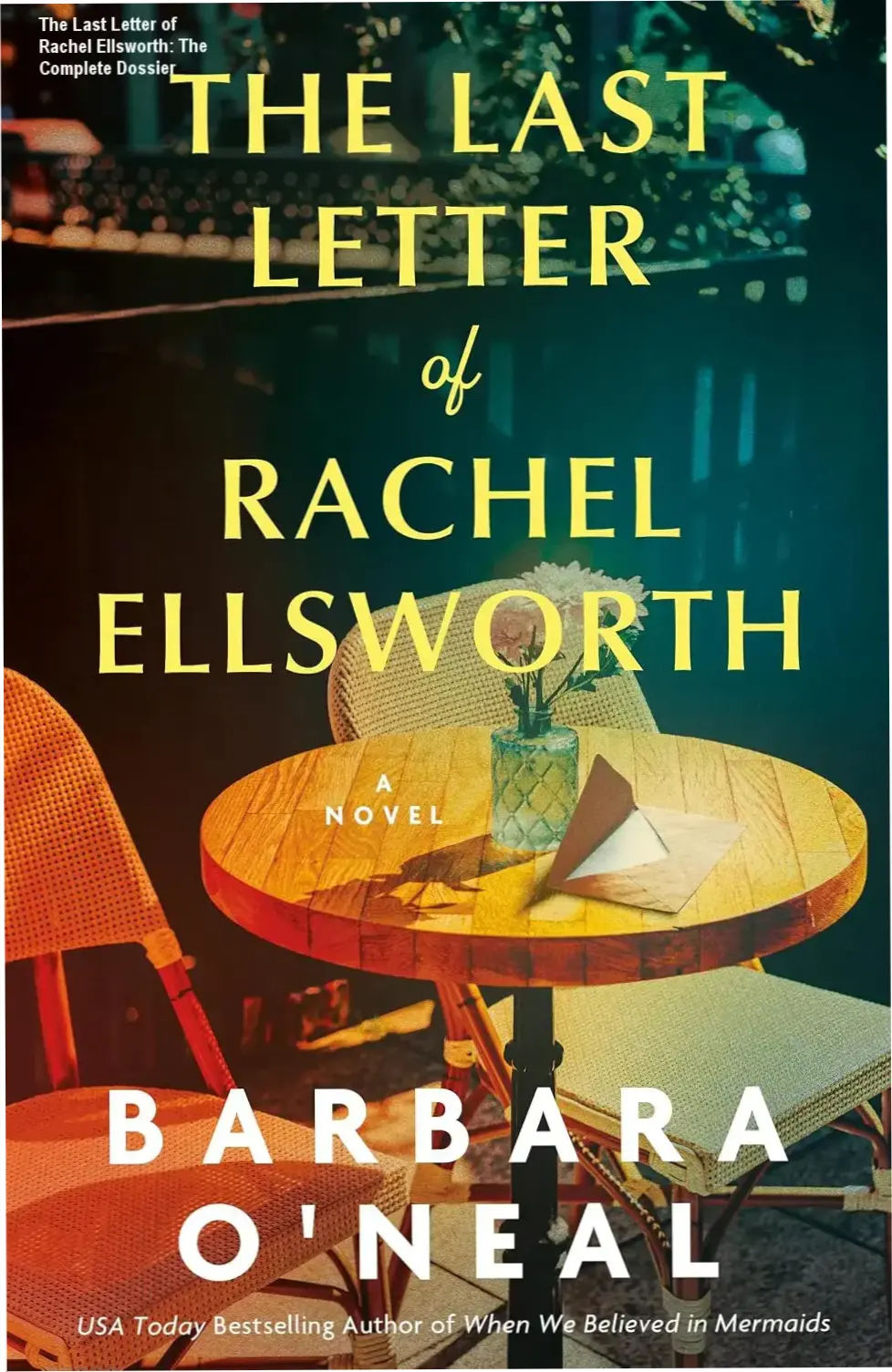
This is the precise tension that drives “The Last Letter of Rachel Ellsworth.” It isn’t just a travelogue; it’s a study on whether we can actually outrun our ghosts or if we must invite them along for the ride. For readers seeking a blend of culinary exploration and emotional reconstruction, you can check the current reader reception and availability on Amazon to see if this narrative fits your current mood.
Barbara O’Neal enters a crowded market of “healing journeys,” but she does so with a specific hook: the intersection of grief, gastronomy, and the Parsi culture. The book doesn’t just ask if we can heal, but whether the remnants of someone else’s unfinished life can provide the blueprint for our own restart.
Ready to dive into “The Last Letter of Rachel Ellsworth”?
Explore available editions, check current live pricing, or download a free sample directly on Amazon.
*You will be redirected to Amazon. As an Amazon Associate, we may earn from qualifying purchases.
The “Cozy” Label vs. Emotional Weight
The book is categorized as a “Cozy Culinary Mystery,” but let’s be skeptical for a moment. “Cozy” usually implies low stakes and a predictable happy ending. However, O’Neal deals with heavy artillery: abrupt divorce, career-ending injuries, and the void left by a parent’s death.
The “cozy” element here isn’t about the lack of pain, but the environment in which that pain is processed. The Parsi cafés of London, Paris, Morocco, and India act as a sensory anchor. The smells of cardamom and saffron don’t erase the trauma, but they make the process of facing it palatable.
Readers on Goodreads frequently mention that the book feels like a “warm hug,” yet they highlight the genuine sadness of Mariah’s loss. This balance is where the book succeeds. It doesn’t sanitize grief; it just provides a beautiful backdrop for it.
Narrative Engine: The Epistolary Mystery
The plot is propelled by Rachel’s letters. This is a classic literary device—the epistolary narrative—used here as a scavenger hunt for the soul. Each letter is a clue, not just to a physical location, but to a piece of Rachel’s hidden history.
This structure prevents the story from becoming a generic travel diary. Because the characters are following a pre-written path, there is a constant tension between Rachel’s past intentions and the protagonists’ present discoveries.
From a technical standpoint, the pacing is steady. It avoids the “mid-book slump” common in long novels by switching locations and introducing new cultural layers just as the emotional tension peaks.
Core Component
Who Should Actually Read This?
The Last Letter of Rachel Ellsworth isn’t for everyone. It occupies a specific niche: the intersection of culinary exploration and emotional recovery.
This book is a perfect match for readers who prioritize atmospheric storytelling over plot velocity. If you enjoy “healing journeys,” female-led narratives, and the sensory detail of international travel—specifically the aromatic corridors of Parsi cafés—you will find significant value here.
It appeals to those who view reading as a form of emotional decompression. The slow-burn discovery of Rachel’s letters provides a rhythmic pace that rewards patience rather than urgency.
Who Should Skip It?
Avoid this book if you are looking for a high-stakes, fast-paced mystery. While it is categorized under “Cozy Culinary Mysteries,” the “mystery” is more about internal closure than a crime scene investigation.
The Plot-Driven Reader: If you need constant cliffhangers and rapid twists, the contemplative pace will feel sluggish.
The Skeptic of Sentimentality: If “healing journeys” and “overcoming trauma” feel too cliché for your taste, the emotional beats here may feel predictable.
The Technical Foodie: Don’t expect a cookbook. While the culinary descriptions are vivid, they serve the plot, not as a gastronomic manual.
Value Analysis & Realistic Expectations
At 386 pages, the value lies in the immersive experience. You aren’t paying for a quick answer to a puzzle, but for a guided tour through London, Paris, Morocco, and India.
The common purchasing mistake here is expecting a “mystery” in the traditional sense. This is a character study disguised as a quest. The “clues” in the letters are emotional milestones, not forensic evidence.
From a technical standpoint, Barbara O’Neal delivers a polished, professional narrative. The prose is fluid, and the structural transition between the letters and the present-day journey is seamless.
Editorial Verdict
The novel succeeds because it doesn’t try to be a thriller. It embraces the “cozy” element of its genre, focusing on the chemistry between Veronica and Mariah. It’s a story about the courage required to start over when your previous identity—whether as a spouse or an Olympic athlete—has vanished.
It is a solid investment for those seeking a sophisticated, emotionally resonant read that blends culture and grief. Before diving into the 386 pages of emotional exploration, it is worth checking the latest reader ratings and current pricing to ensure it fits your current reading mood.
Final Editorial Verdict
“The Last Letter of Rachel Ellsworth: A Novel” delivers on its core promise for its intended audience, offering compelling insights without fluff. As highlighted in our detailed edition breakdown, its practical depth and readability are its greatest strengths.
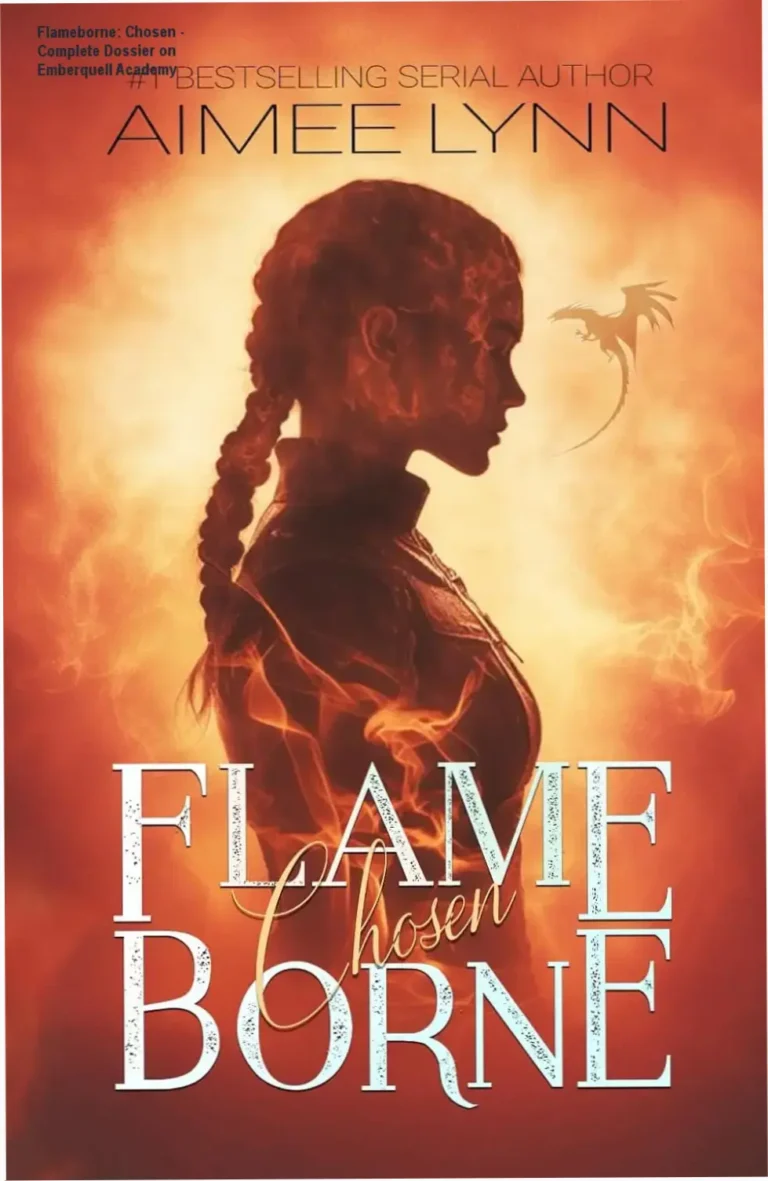
The “Romantasy” explosion has left readers craving more than just magic and romance; they want the visceral feeling of an underdog fighting a rigged system. Most modern fantasy novels promise empowerment, but few actually nail the psychological transition from total devastation to absolute power. Whether you are coming from the heights of Fourth Wing or…
Most of us treat our bodies like a rented car we never received the manual for. We guess at the fuel, ignore the warning lights, and wonder why the engine stalls during a mid-afternoon slump or a sleepless night. The “biohacking” world is currently a chaotic mess of conflicting advice. One guru suggests fasting for…
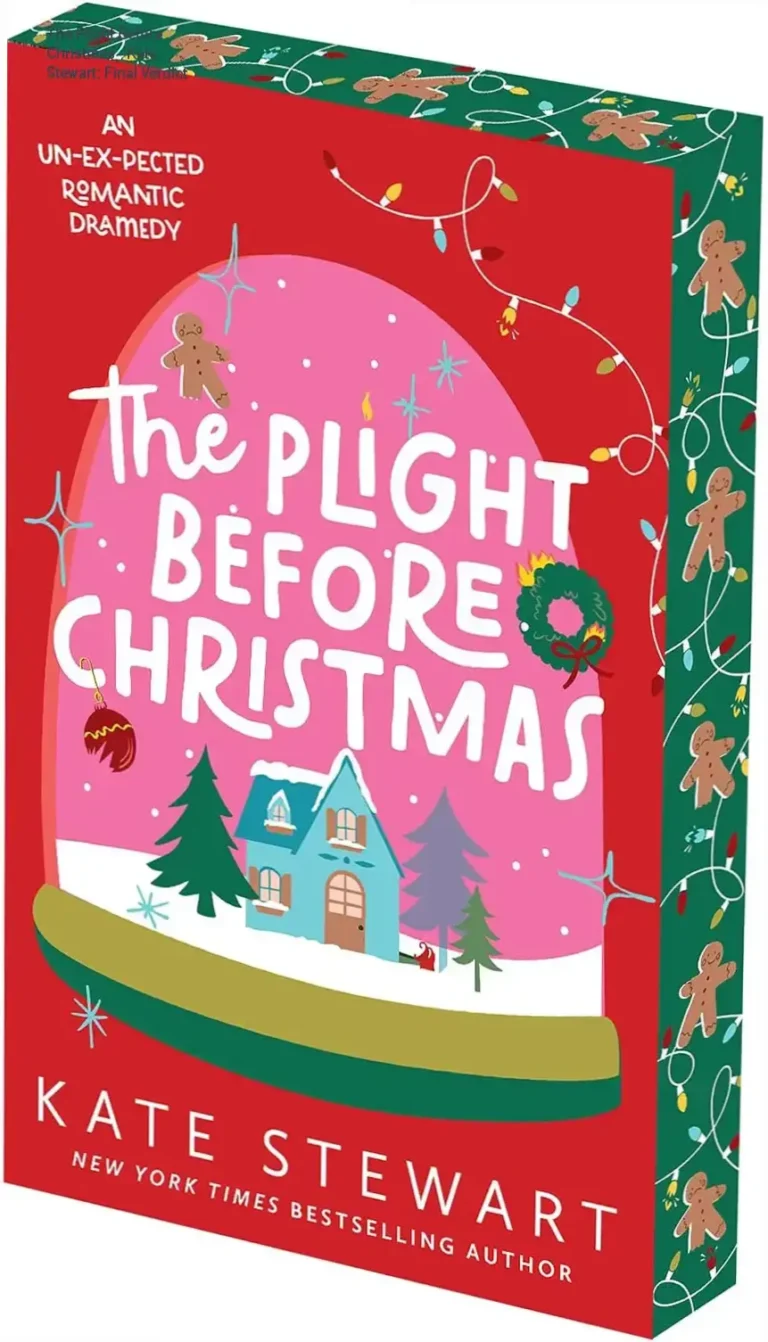
Holiday romances usually follow a predictable script: a small town, a misunderstanding, and a kiss under the mistletoe just as the clock strikes midnight. Most readers approach these stories looking for an emotional escape, but the real challenge is finding a narrative that avoids the saccharine trap and actually delivers genuine tension. When you add…
We have all felt it: that sudden, desperate urge to burn every bridge, quit the corporate grind, and vanish into a place where nobody knows our name. It is the ultimate modern fantasy—the “geographic cure” for a broken heart or a burnt-out soul. Robyn Carr taps into this collective longing with Virgin River, a story…
We need to output HTML with paragraphs etc. Must follow strict rules. Must start with a contextualization paragraph, not a heading. Must be between 180 and 320 words. Must include exactly 1 contextual affiliate link in first or second paragraph using tag “Link_afiliado”. Actually they said “Insert exactly 1 contextual affiliate link in the first…
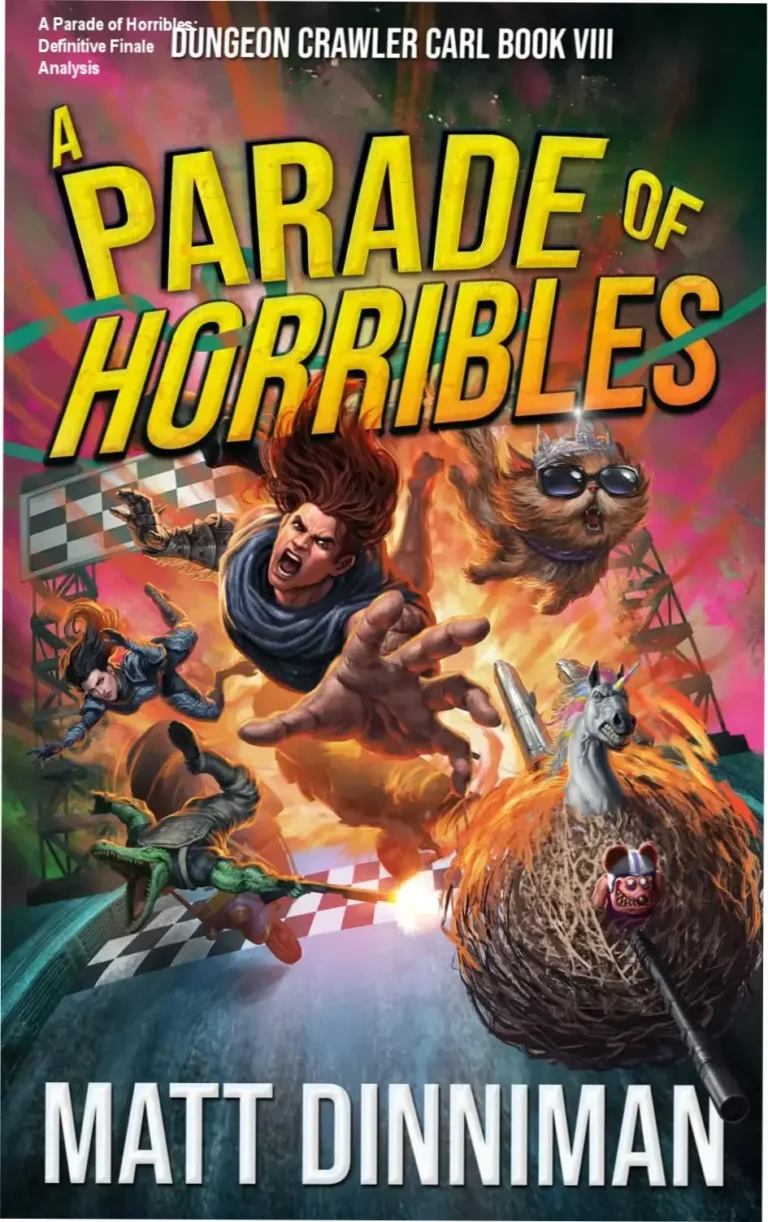
The problem with most long-running LitRPG series isn’t the power creep; it’s the emotional dilution. You invest years watching a character optimize builds and exploit system mechanics, only to realize the author forgot to make you care about the person holding the sword. Matt Dinniman’s Dungeon Crawler Carl has never had that problem. It hid…