The Housewife – Natalie Barelli | Review
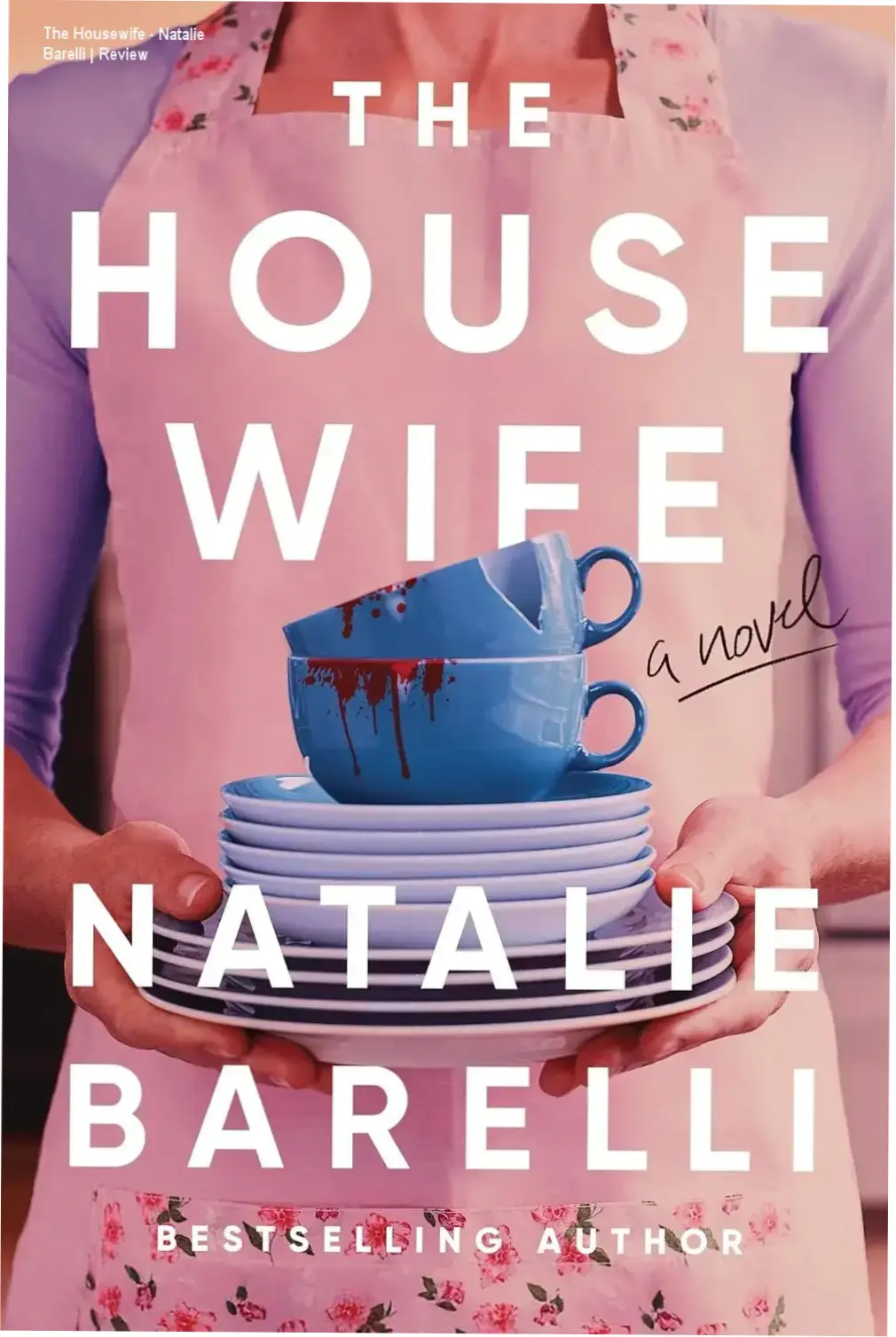
Domestic thrillers often rely on the “unreliable narrator” trope until it becomes a predictable crutch rather than a genuine shock. Natalie Barelli flips this script by making the narrator’s unreliability the entire structural foundation of The Housewife. You aren’t just questioning Jodie’s perception; you are actively fearing her competence. The novel hooks you immediately with a premise that feels familiar—a new wife haunted by a dead predecessor—but quickly reveals teeth. If you want to see how deep the rabbit hole goes, check the current edition here.
- Jodie is not a victim waiting to be saved; she is a predator wearing an apron.
- The Beverly Hills setting amplifies the claustrophobia rather than relieving it.
- Roy, the psychologist husband, represents institutional gaslighting at its most insidious.
The central tension isn’t “did he do it?” but “what will she do when she proves it?” This shifts the genre expectation from mystery to psychological warfare. Readers expecting a standard Rebecca retelling will find something far messier and more satisfying. Barelli understands that the scariest monsters in domestic noir are the ones who know exactly how to file their taxes and fold fitted sheets.
- Revenge is framed not as justice, but as a meticulous cleaning ritual.
- The pacing respects the reader’s intelligence—no cheap cliffhangers, just escalating dread.
- It challenges the “perfect victim” narrative aggressively.
Ready to dive into “The Housewife”?
Explore available editions, check current live pricing, or download a free sample directly on Amazon.
Preview Free Sample & Check Price on Amazon
*You will be redirected to Amazon. As an Amazon Associate, we may earn from qualifying purchases.
Writing Style and Relentless Pacing
Barelli writes with a scalpel. Her prose is stripped of literary fat, mirroring Jodie’s obsession with order and surfaces. Sentences are short. Chapters end on decisions, not just revelations. This creates a reading velocity that feels dangerous—you turn pages because you are anxious, not just curious. The first-person present tense locks you inside a headspace that is deeply unsettling.
- No wasted adjectives; every description serves the plot or character psychology.
- Dialogue is sharp, often performing the work of exposition without feeling like it.
- The “cleaning” metaphor structures the narrative arc perfectly.
Goodreads reviewers frequently highlight the “unputdownable” quality, but that term undersells the craft. It’s not a beach read pace; it’s a interrogation pace. You feel the scrub brush in your hand. The 370-page count is deceptive—information density is high. Barelli trusts the reader to connect dots regarding Jodie’s past (the three bodies, the prison stint) without infodumping. This respect for the audience elevates the material above standard commercial fiction.
- Flashbacks are integrated as intrusive thoughts, not separate chapters.
- Sensory details focus on smell (bleach, perfume, decay) and texture.
- The ending lands with a thud, not a twist for twist’s sake.
Character Study: The Anti-Heroine as Homemaker
Jodie is the book’s engine. She is violently competent, morally bankrupt, and weirdly sympathetic. Her history—prison, violence, “misunderstandings”—is revealed in fragments that reframe her current obsession. She doesn’t want to save herself; she wants to conquer the house. This distinction is vital. She treats the investigation like a renovation project: demo the lies, strip the wallpaper, find the rot.
- She weaponizes the “dumb blonde” stereotype Roy and his circle project onto her.
- Her internal monologue reveals a strategic mind several moves ahead.
- Amazon reviewers call her “unhinged,” “iconic,” and “the villain we root for.”
Roy Davies is the perfect foil. As a psychologist, he weaponizes therapy language. He pathologizes Jodie’s reactions to his abuse. This is the most realistic horror in the book: the abuser with a vocabulary. The late wife, Deborah, functions as a ghost in the machine—present in the decor, the staff’s loyalty, and Roy’s narrative control. She isn’t a character; she’s a warning label Jodie refuses to read.
- Secondary characters (housekeeper, friends) are distinct, not just plot devices.
- The power dynamic shifts visibly in every scene they share.
- Jodie’s prison backstory informs her current tactical awareness.