Philippa Flynn’s Year of Panic and Piracy: Complete Dossier
Most of us spend our adult lives building a fortress of predictability. We chase tenure, stable salaries, and a calendar that leaves nothing to chance. But there is a quiet, persistent terror in realizing that a perfectly planned life can still feel entirely empty.
This is the psychological precipice where Jacqueline Firkins places her protagonist. It is a narrative about the “wake-up call”—that singular, often chaotic moment that forces a person to stop existing and start living. You can see how this tension plays out in the reader reception for Philippa Flynn’s Year of Panic and Piracy, where the craving for a fresh start resonates deeply with a burnt-out audience.
The book doesn’t just offer a romantic escape; it questions the cost of intellectual rigidity. When a history professor swaps her lecture halls for treasure maps, she isn’t just changing her scenery—she is dismantling her identity. For the reader, the expectation is a cozy romance, but the actual value lies in the exploration of creative rebirth and the courage to be seen as “unprofessional” in pursuit of passion.
Ready to dive into “Philippa Flynn’s Year of Panic and Piracy”?
Explore available editions, check current live pricing, or download a free sample directly on Amazon.
Preview Free Sample & Check Price on Amazon
*You will be redirected to Amazon. As an Amazon Associate, we may earn from qualifying purchases.
The Anatomy of the “Burnout” Narrative
Firkins utilizes a classic catalyst: the near-death experience. A sinkhole literally and figuratively opens up in Philippa’s life. It is a blunt instrument for a plot device, but it works because it mirrors the internal collapse of someone who has spent too long adhering to a script.
The pacing is deliberate. It doesn’t rush into the romance. Instead, it lingers on the discomfort of the transition. The move to the inherited seaside house is a trope, yes, but it serves as a physical manifestation of the “clutter” Philippa must clear from her own mind.
The prose is lean and witty. It avoids the purple prose often found in the romance genre, opting instead for a sharp, academic irony that reflects the protagonist’s voice. This creates a satisfying contrast when the story shifts toward the “swashbuckling” themes of the grandmother’s novels.
The Dynamic: Intellectual Rigidity vs. Visual Archetypes
The core tension of the book isn’t just the romance; it is the collision of two different types of “performance.” Philippa performs the role of the serious historian. Dylan performs the role of the romanticized Pirate King.
Dylan, the former cover model, is a subversive character. He is not just “the hot guy”; he is a man struggling with writer’s block and the superficiality of his past image. This adds a layer of depth that prevents the story from becoming a caricature.
The irony is palpable. You have a woman who knows every fact about history but cannot navigate her own emotions, paired with a man who represents a fantasy but cannot find the words to write his own story. Their collaboration on six new novels becomes a therapeutic exercise for both.
| Character | Core Conflict | Narrative Function |
|---|---|---|
| Philippa Flynn | Tenure vs. Passion | The catalyst for change; the “voice of reason” learning to let go. |
| Dylan | Image vs. Identity | The mirror; showing Philippa that life is more than just facts. |
| Iris Flynn | Legacy vs. Expectation | The spiritual guide; providing the blueprint for adventure. |
Meta-Fiction and the Art of the “Love Scene”
One of the most clever aspects of the novel is the meta-commentary on writing. The characters are trying to write romance while living it. This creates a “double-track” narrative where the plot of the books they are writing reflects their own evolving relationship.
Firkins uses this to build tension. The inability to “craft a love scene” on paper while “real sparks are flying” is a classic romantic comedy beat, but it’s executed with a level of sophistication that appeals to readers who enjoy the process of creation.
The “treasure maps” and “pirate kings” aren’t just plot points; they are symbols of the risks the characters are taking. Swapping tenure for a treasure map is a metaphor for choosing uncertainty over a guaranteed, but miserable, security.
“To write the story on the page, Philippa will have to embrace the one she’s living.”
This quote encapsulates the book’s primary argument: you cannot create something authentic if you are living a fraudulent life. The “piracy” in the title isn’t
Who This Book Is Actually For
This isn’t a high-stakes thriller or a dense historical treatise. It is a “comfort read” designed for a specific psychological profile: the burned-out professional.
The ideal reader is someone who:
- Enjoys the “forced proximity” trope (two opposites sharing a small space).
- Appreciates the contrast between academic rigidity and creative chaos.
- Craves a low-stress, “swoonworthy” narrative centered on emotional healing rather than plot-driven conflict.
- Likes stories about legacy, inherited homes, and the courage to quit a stable but soul-crushing job.
Who Should Probably Skip It
If you are looking for an actual pirate adventure with naval battles and treasure hunts, look elsewhere. The “piracy” here is thematic and meta-textual.
Skip this book if:
- You have a low tolerance for slow-burn romances.
- You prefer “dark romance” or high-tension drama over witty, lighthearted banter.
- You find the “academic vs. artist” dynamic cliché.
Common Purchasing Missteps
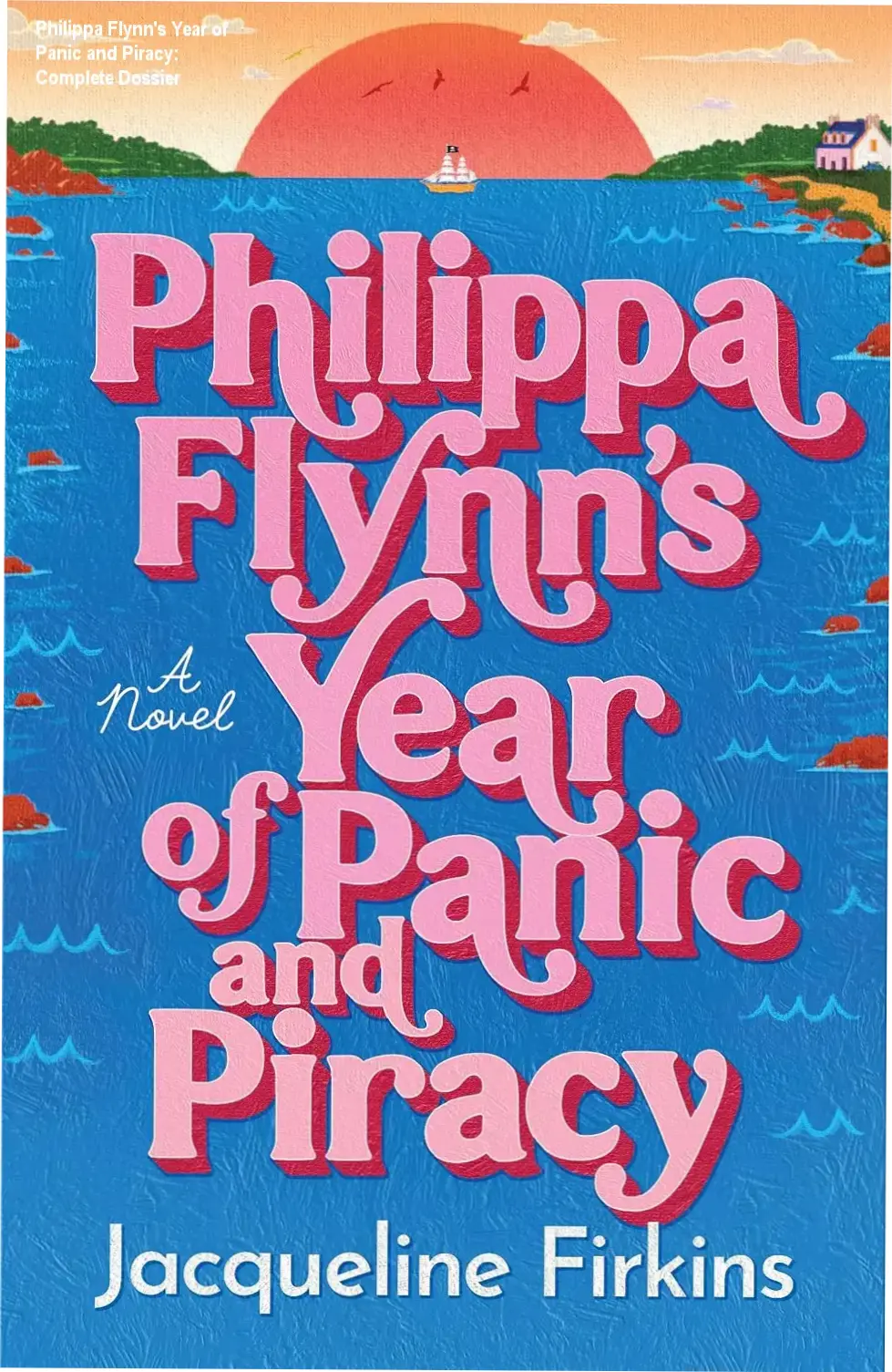
The biggest mistake readers make with this title is misinterpreting the cover or title as a genre-fiction adventure. It is a contemporary novel about writing adventure novels.
Don’t buy this expecting a technical manual on writing or a deep dive into history. Buy it for the chemistry between Philippa and Dylan and the atmosphere of a seaside retreat.
Quick Analysis FAQ
| Question | Analytical Answer |
|---|---|
| Is it a fast read? | Yes. At 296 pages, the pacing is lean and designed for Kindle consumption. |
| Is the romance realistic? | It follows romance tropes. It’s “swoonworthy” rather than gritty realism. |
| Does it offer professional insight? | It touches on burnout and career pivoting, providing emotional rather than practical value. |
Editorial Verdict
Jacqueline Firkins manages to balance the cynicism of professional burnout with the optimism of a second act. While the plot adheres to familiar romance beats, the characterization of the introverted professor adds a layer of relatability that elevates it above standard genre fare.
It is a safe, polished, and emotionally satisfying investment for those needing a mental break. For a better sense of the pacing and the chemistry between the leads, we recommend checking the latest reader reviews and pricing on Amazon.
Final Editorial Verdict
“Philippa Flynn’s Year of Panic and Piracy: A Novel” delivers on its core promise for its intended audience, offering compelling insights without fluff. As highlighted in our detailed edition breakdown, its practical depth and readability are its greatest strengths.
We also recommend checking the official Kindle sample and reader ratings before making your final purchase decision.
*You will be redirected to Amazon. As an Amazon Associate, we earn from qualifying purchases.