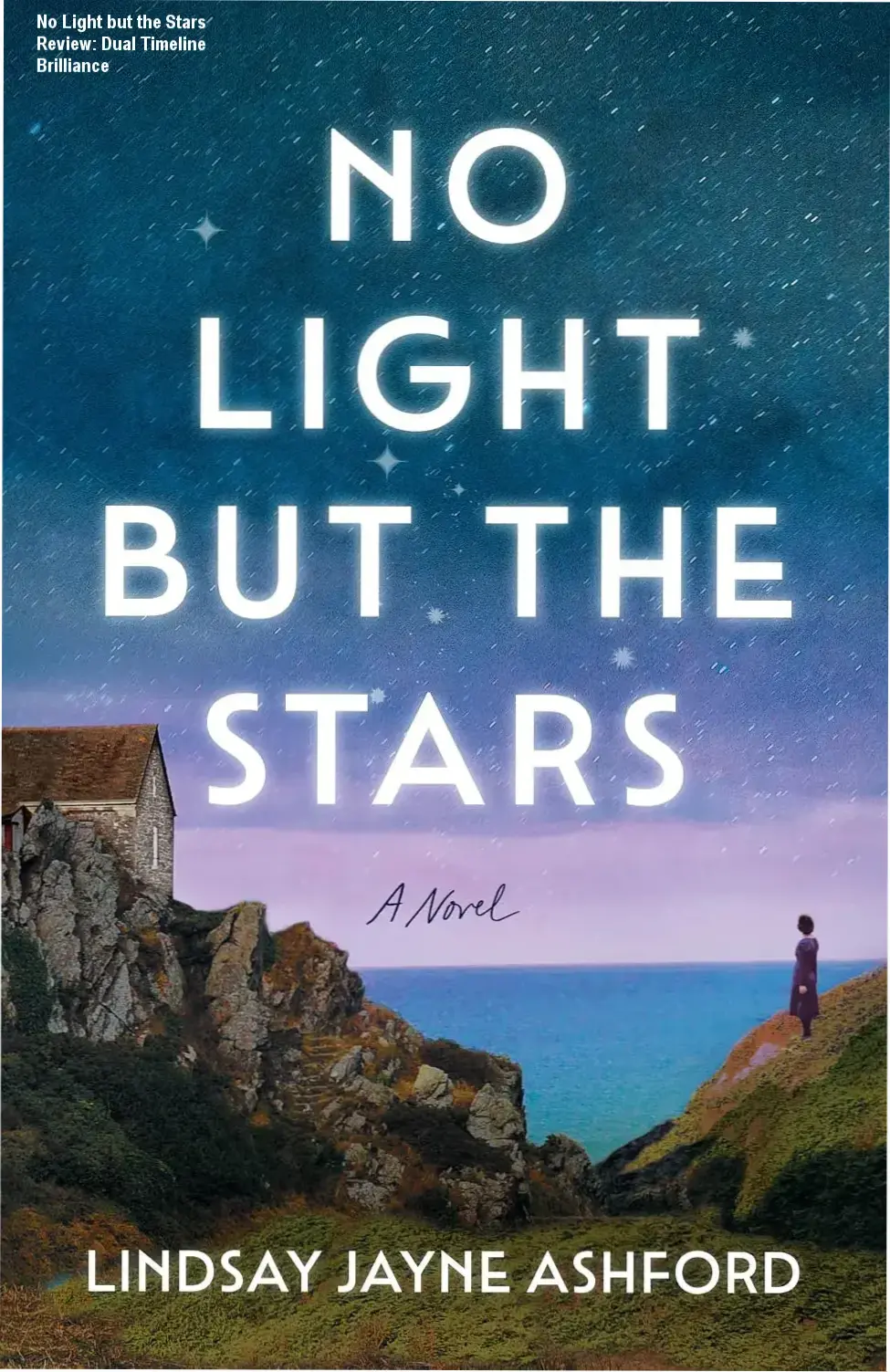
Historical fiction often struggles to balance the weight of research with the velocity of a thriller, leaving readers with either a textbook disguised as a novel or a soap opera wearing period costumes. The real challenge is finding a narrative that respects the brutality of the past without losing the emotional pulse of the present. Lindsay Jayne Ashford attempts exactly this high-wire act with a dual timeline anchored in a single Cornish farmhouse. You can check the current reader reception and availability here.
The premise hooks you immediately: a WWII refugee discovering a 1606 journal beneath her floorboards. It promises a conversation across centuries about forbidden love and survival. The market is saturated with dual-timeline novels, but few anchor the “historical” thread in the visceral danger of Catholic persecution under James I while mirroring it with the quiet tragedy of the Blitz. Ashford’s reputation for atmospheric Gothic mystery sets a high bar. The question isn’t just if the timelines connect, but if the connection earns its emotional payoff or relies on convenient coincidence.
Ready to dive into “No Light but the Stars”?
Explore available editions, check current live pricing, or download a free sample directly on Amazon.
*You will be redirected to Amazon. As an Amazon Associate, we may earn from qualifying purchases.
Writing Style and Pacing: Atmosphere Over Action
Ashford writes with a deliberate, sensory weight. She prioritizes the smell of woodsmoke and the chill of stone floors over rapid plot mechanics. This is not a page-turner in the commercial thriller sense. It is a slow burn.
The 1606 timeline carries the heavier prose. The language mimics the period’s gravity without becoming impenetrable. Sentences stretch to accommodate the fear of discovery. The 1941 timeline reads lighter, faster, reflecting a world already mechanized by war. The transition between them is handled via physical triggers—the journal, the floorboards, the view from the window. It works technically.
Readers on Goodreads frequently note the “immersive” quality. One verified purchaser wrote, “I could feel the damp cold of the priest hole.” That tactile success is the book’s strongest asset. However, pacing complaints exist. The middle section drags as Violet’s internal monologue circles the same grief. The tension relies on *waiting*—waiting for soldiers, waiting for letters, waiting for the bomb to fall. If you need constant external stakes, this frustrates.
Narrative Structure: The Mirror Effect
The dual timeline is the engine here. Ashford uses a strict mirroring strategy. Maria hides a priest (Jago); Violet hides a POW (Francesco). Maria faces anti-Catholic laws; Violet faces wartime prejudice against Italians. Both women love “forbidden” men—Maria spiritually/romantically, Violet romantically across racial lines (Taslim).
The structure is mathematically sound. But structural perfection can feel sterile. The parallels are so tight they risk becoming schematic. Maria’s journal entries conveniently address exactly what Violet needs to hear that specific day. It strains credulity. A Reddit thread on r/historicalfiction debated this: “Does the journal feel like a plot device or a character?” Consensus leaned toward *device*. The journal survives 300 years under floorboards in a damp Cornish farm? The paper quality alone requires suspension of disbelief.
Where it succeeds is the thematic resonance. The “priest hole” becomes a metaphor for the closets both women are forced into. The architecture dictates the psychology. That is smart writing, even if the mechanics creak.
Characterization: Women Under Surveillance
Violet and Maria are the only fully realized figures. The men—Jago, Francesco, Taslim—function largely as catalysts or projections. This is a deliberate choice. The novel is about female agency under patriarchal surveillance (Church, State, Family).
Maria is the standout. Her voice in the journal is distinct: pious but questioning, terrified but steel-spined. She navigates a world where her faith is treason. Ashford avoids making her a modern feminist in period dress. Maria’s rebellion is quiet, domestic, dangerous. She uses herbs, silence, and the architecture of the house.
Violet is more reactive. She spends much of the novel haunted—by Taslim’s death, by her mother’s demands, by Maria’s ghostly presence. Her agency arrives late. Some Amazon reviewers found her “passive.” I’d argue she is *paralyzed*, which is different. The Blitz destroys the illusion of control. Her arc is reclaiming it. Francesco, the Italian POW, is underwritten. He represents an idea—enemy humanity—more than a person. We rarely see his perspective.
Who This Book Is For (And Who Should Skip It)
If you read historical fiction for the atmosphere—cold stone walls, the smell of rain on Cornish soil, the weight of a secret pressed under a floorboard—this novel delivers exactly that texture. The dual timeline isn’t a gimmick here; it’s the engine. Readers who loved The Alice Network or The Rose Code will recognize the rhythm: two women, separated by centuries, navigating impossible choices with similar stakes.
It works best for readers who value emotional resonance over breakneck pacing. The 1606 thread carries more immediate tension—priest holes, recusancy fines, the visceral fear of a knock at the door. The 1941 thread is quieter, heavier with grief and the specific exhaustion of the Blitz. If you need constant action or a high-concept thriller hook, the middle sections may feel slow. The payoff is character-driven, not plot-twist driven.
Skip it if: You dislike “instinctual” connections between timelines (visions, dreams, uncanny parallels). The link between Violet and Maria leans slightly mystical. It also assumes a baseline knowledge of Catholic persecution in England and the Italian POW presence in Britain—context gaps might frustrate total newcomers to the era.
Value Proposition: Hardcover vs. Kindle vs. Library
At 249 pages, this is a tight read—novella length by modern historical saga standards. The Kindle edition ($4.99–$9.99 typical range) is the smart buy for a single sitting. The prose is clean enough that you lose nothing without physical pages. Audiobook narrators handle the Cornish/Italian accents well if you prefer immersion during commutes.
Hardcover only makes sense for collectors of Lake Union Publishing’s cover art. Library hold queues are currently short; zero risk to test the first 30 pages via Libby before committing cash.
Common Buying Mistakes
Expecting a romance: Love is the catalyst, not the genre. The “forbidden love” tag sells the stakes, not the heat level.
Assuming equal page time: Maria’s 1606 narrative dominates the emotional arc. Violet’s 1941 sections serve as the mirror.
Buying for the “thriller” label: The Amazon category (#1 Best Seller in Historical Thrillers) is algorithmic. This is literary historical fiction with suspense elements.
Quick Contextual FAQ
Is the ending satisfying? Yes. Both threads resolve without cheap cliffhangers. The parallel converges thematically, not literally.
How graphic is the violence/persecution? Restrained. Ashford implies horror through aftermath and silence rather than gore. Suitable for mature YA crossover.
Does it require reading her other books? No. Standalone. No recurring characters.
Bottom line: this is a high-confidence purchase for the right reader. If the premise hooks you, the execution rarely falters. Check current pricing and verified reader sentiment here.
Final Editorial Verdict
“No Light but the Stars: A Novel” delivers on its core promise for its intended audience, offering compelling insights without fluff. As highlighted in our detailed edition breakdown, its practical depth and readability are its greatest strengths.
Most people have experienced the crushing weight of a “plan” that didn’t survive contact with reality. Whether it is a career-ending injury, a failed business, or the slow erosion of a relationship with a child, the gap between who we expected to be and who we actually are is where most human suffering—and most great…
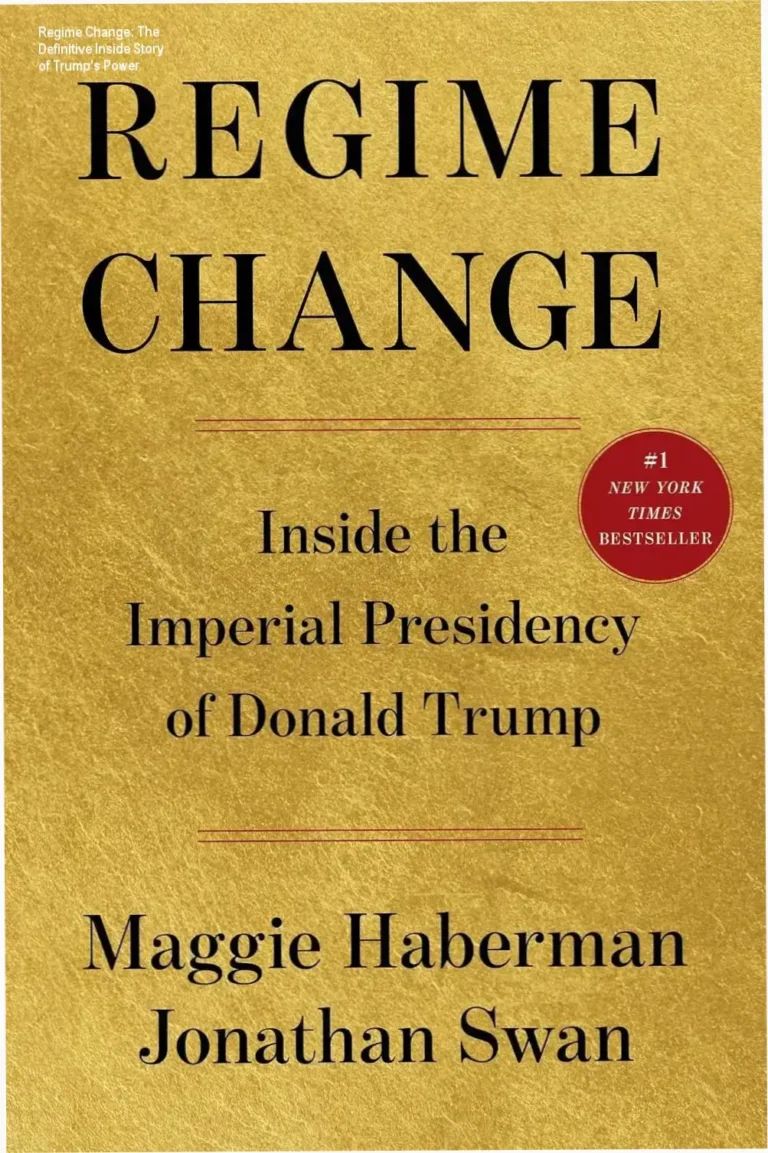
Covering a presidency that breaks norms daily creates a unique problem for journalism: the timeline blurs, the shock value numbs, and the “unprecedented” becomes routine before the ink dries. Maggie Haberman and Jonathan Swan solve this by refusing the daily churn, instead delivering a structural anatomy of power in Regime Change. They argue the second…
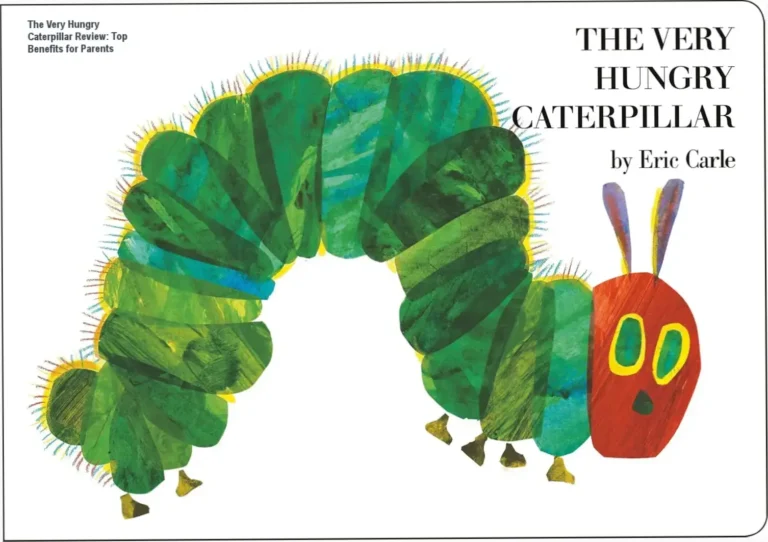
Finding the first “real” book for a toddler often feels like a gamble. Parents and gift-givers usually cycle through a sea of generic, neon-colored plastics or flimsy paper pages that vanish into shreds within minutes of a baby’s first grip. The challenge isn’t just finding a story; it’s finding a tool that survives the chaotic…
Ever found yourself trapped in a labyrinth of logic, where every turn reveals a new riddle? That’s the essence of *The Killer Isn’t Alice: The 46,600 Suspect Murder Mystery Puzzle* by Iris Starling. This isn’t just another whodunit; it’s a cerebral gauntlet disguised as a paperback, challenging readers to outthink a murderer with 46,600 suspects…
Political disillusionment usually happens in slow motion. It starts with a few ignored emails, a couple of policies that don’t align with your values, and ends with the realization that the organization you dedicated your life to no longer speaks your language. For those tracking the widening chasm between the American working class and the…
Most of us know William Shakespeare as a towering monolith of literature, a man whose words defined the English language. But we rarely think about the man who had to leave his house in Stratford-upon-Avon, leaving behind a wife and children to chase a career in London. We see the plays, but we don’t see…