The Very Hungry Caterpillar Review: Top Benefits for Parents
Finding the first “real” book for a toddler often feels like a gamble. Parents and gift-givers usually cycle through a sea of generic, neon-colored plastics or flimsy paper pages that vanish into shreds within minutes of a baby’s first grip. The challenge isn’t just finding a story; it’s finding a tool that survives the chaotic environment of early childhood while actually stimulating cognitive growth.
Enter the gold standard of early literacy. Most people assume this book is just a colorful staple of nursery shelves, but its longevity is rooted in a specific intersection of tactile engineering and basic pedagogy. If you are looking to see why this remains the top-rated choice for early learners, you have to look past the simple plot and analyze the physical design.
Ready to dive into “The Very Hungry Caterpillar”?
Explore available editions, check current live pricing, or download a free sample directly on Amazon.
Preview Free Sample & Check Price on Amazon
*You will be redirected to Amazon. As an Amazon Associate, we may earn from qualifying purchases.
Tactile Engineering: The “Hole” Strategy
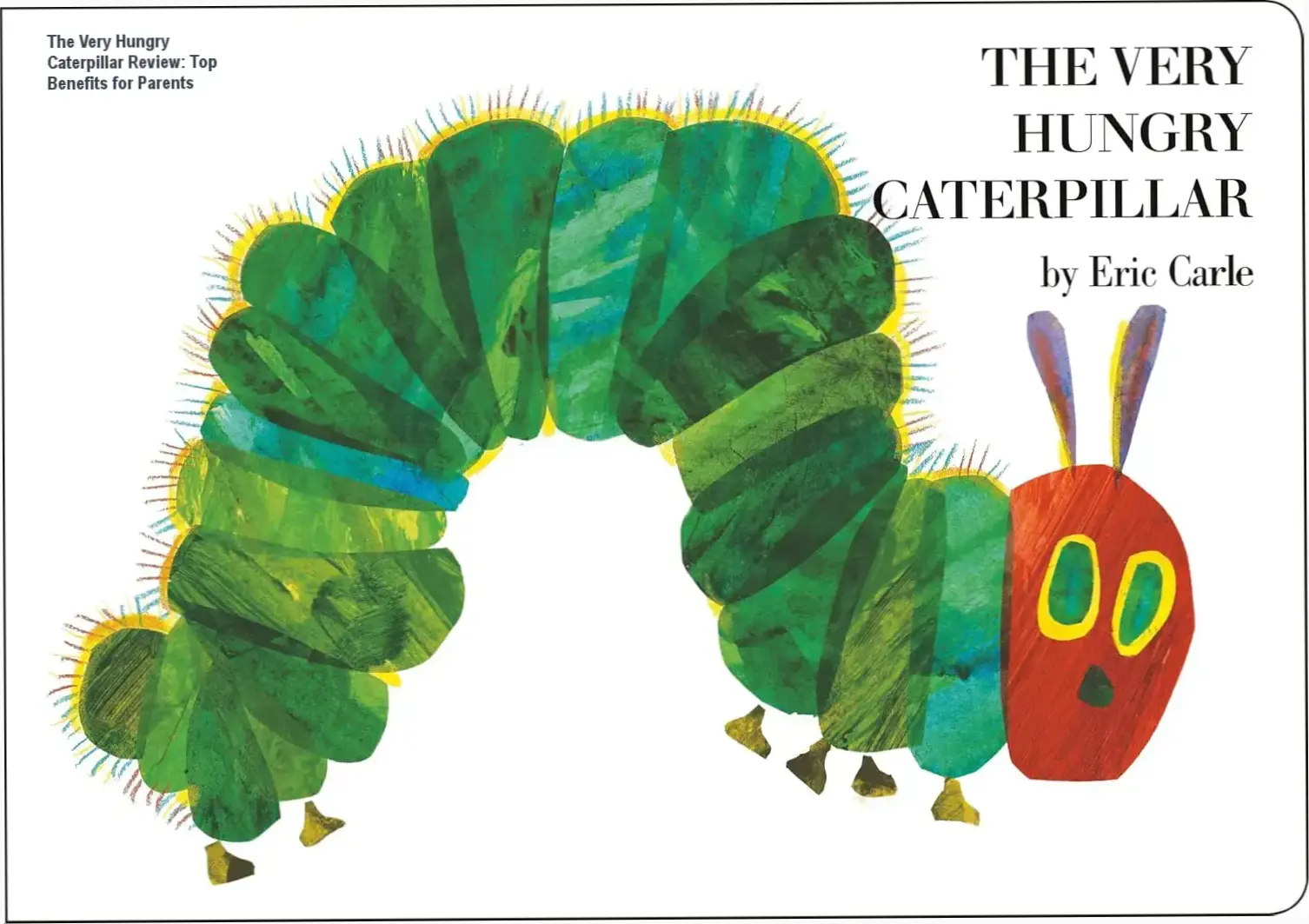
From a product design perspective, the genius of this book isn’t the prose—it’s the die-cut holes. For a child under three, a book is not just a vessel for a story; it is a physical object to be manipulated.
The holes allow toddlers to physically “track” the caterpillar’s progress. This creates a tactile feedback loop that keeps a short attention span anchored to the page. It transforms a passive reading experience into an active exploration.
Many parents on Reddit often mention that their children “read” the book by poking their fingers through the holes before they can even speak. This is a critical development of fine motor skills disguised as entertainment.
The board book format is a necessity here. Standard paper would fail instantly. The heavy-duty cardboard provides the structural integrity needed to support these cut-outs while resisting the inevitable chewing and pulling that comes with the 1+ age group.
Stealth Education: Counting and Chronology
The narrative structure is a masterclass in “stealth learning.” It doesn’t feel like a lesson, but it functions as a primer for three core concepts: counting, days of the week, and biological metamorphosis.
The progression is linear and predictable. Monday: one apple. Tuesday: two pears. This repetition is exactly how the infant brain encodes information. It builds a pattern that the child begins to anticipate, creating a sense of mastery and confidence.
I’ve noticed a common critique among some “educational purists” who claim the food list is unrealistic. But that’s missing the point. The variety of foods serves as a visual catalog of colors and shapes, expanding the child’s vocabulary through association.
The transition from the “hungry” phase to the “cocoon” phase introduces the concept of time and patience. It’s a sophisticated way to explain that growth often requires a period of stillness and invisibility before the final result is achieved.
| Feature | Value for Child | Analytical Verdict |
|---|---|---|
| Die-cut Pages | Sensory engagement & motor skills | Elite execution |
| Final Editorial Verdict “The Very Hungry Caterpillar” delivers on its core promise for its intended audience, offering compelling insights without fluff. As highlighted in our detailed edition breakdown, its practical depth and readability are its greatest strengths. We also recommend checking the official Kindle sample and reader ratings before making your final purchase decision. *You will be redirected to Amazon. As an Amazon Associate, we earn from qualifying purchases. Posts Similares
|