How to Ruin a Wedding Review: Expert Verdict & Analysis
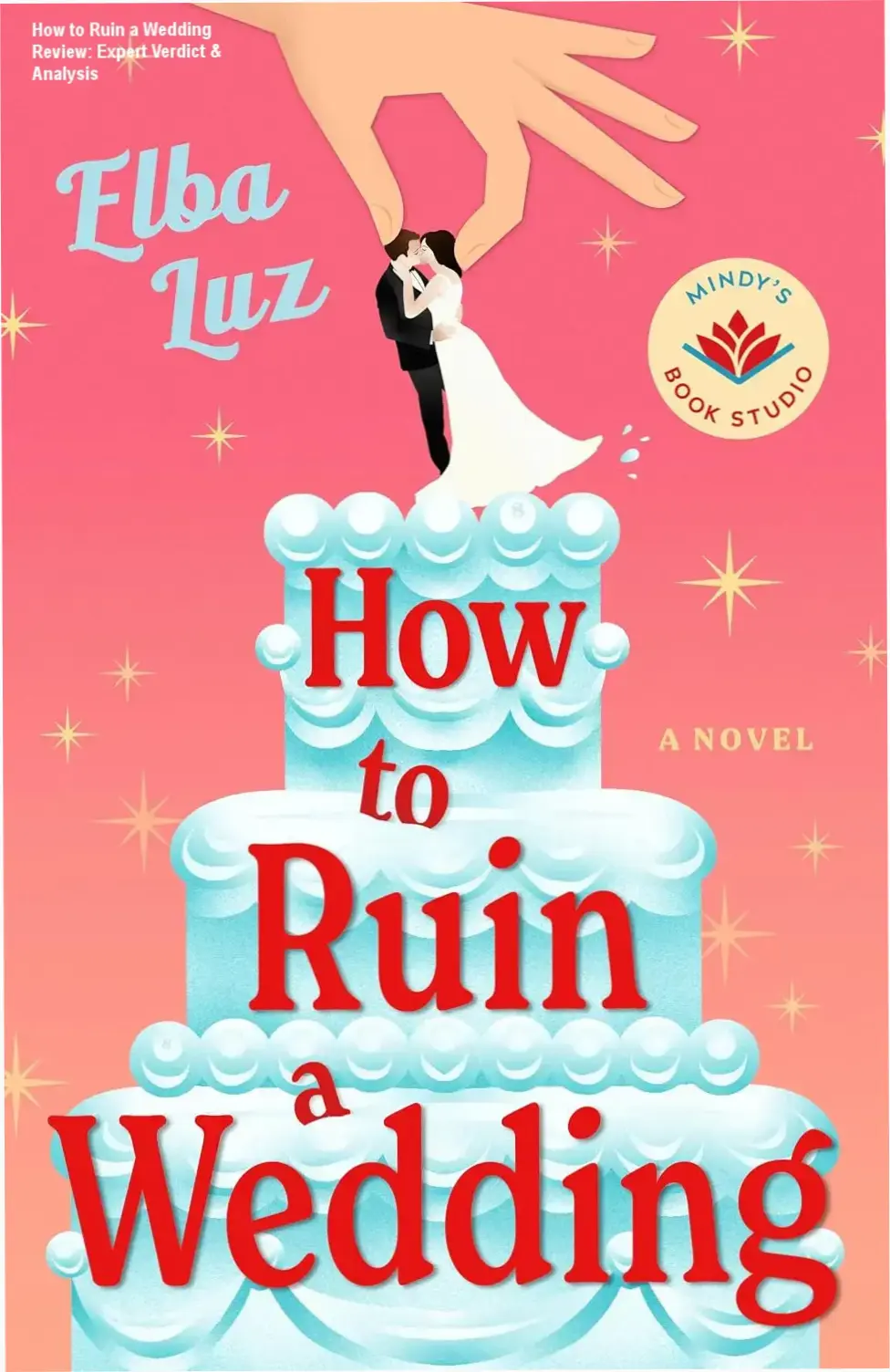
We all know that person who treats wedding season like a competitive sport—judging the centerpieces, critiquing the vows, secretly betting on the over/under for the open bar tab. Elba Luz takes that cynical impulse and professionalizes it in How to Ruin a Wedding, delivering a protagonist who gets paid to stop “I do” before it becomes “I don’t.” It’s a high-concept rom-com premise that sounds gimmicky on paper: a professional wedding saboteur hired to crash the wrong ceremony and ends up fake-dating the brother of the bride to tank another one. You can check the current reader reception and available editions right here.
The hook is sharp, but the execution lives or dies on whether Lucy Delgado feels like a human being rather than a plot device. Early buzz compares the tone to a darker, messier Wedding Crashers meets The Unhoneymooners, promising the kind of banter-heavy, forced-proximity tension that carries a 300-page novel. Mindy Kaling’s imprint stamp signals a specific flavor of sharp, female-driven humor, but the real question is whether the emotional arcs—two failed marriages, a crumbling sisterhood, deep-seated cynicism—earn their happy ending or just paper over the cracks with quips.
Ready to dive into “How to Ruin a Wedding: A Novel”?
Explore available editions, check current live pricing, or download a free sample directly on Amazon.
Preview Free Sample & Check Price on Amazon
*You will be redirected to Amazon. As an Amazon Associate, we may earn from qualifying purchases.
Writing Style & Pacing: Sharp Dialogue, Messy Interiority
Luz writes with a distinct cadence—fast, conversational, and heavily reliant on Lucy’s internal monologue. The pacing clips along in the first act. The “sabotage” set pieces are genuinely funny. Think: strategic wine spills, perfectly timed ex-boyfriend appearances, and officiant sabotage. It reads cinematically.
Mid-novel, the rhythm shifts. The fake-dating contract forces Lucy and Anders into close quarters at a wealthy family estate. The “high jinks” promised in the blurb materialize as escalating dares and family traditions. Some readers on Goodreads flagged a saggy middle. The “will they/won’t they” tension relies on standard miscommunication tropes that feel beneath the characters’ intelligence.
However, the prose shines when Lucy stops performing. Her spiral regarding her sister’s failing marriage grounds the comedy. Luz doesn’t shy away from the ugliness of divorce resentment. The sentences shorten. The humor turns self-deprecating rather than observational. That tonal control separates this from fluffier genre entries.
Core Narrative Structure: The Sabotage Inversion
The structural hook is the inversion. Lucy ruins weddings to *save* people. Anders hires her to ruin his sister’s wedding to *save* her. Both believe they are the heroes of their own cautionary tales. The novel interrogates that savior complex effectively.
Act One establishes the rules of Lucy’s trade. It’s efficient world-building. We learn the “types” she plays: The Jilted Lover, The Concerned Aunt, The Sobering Reality Check. It establishes competence. Competence porn works well in romance; we like watching experts work.
Act Two strands them in the Kennedy compound. The “fake dating” container creates the necessary pressure cooker. But the external plot—the actual target wedding—occasionally stalls. The sabotage mission requires Lucy to infiltrate the bride’s inner circle. This subplot introduces a ensemble of wealthy, eccentric side characters. Some land (the sharp-tongued grandmother), others feel like sketch comedy leftovers.
Act Three accelerates rapidly. The climax involves a public confrontation at the rehearsal dinner. It’s messy, public, and satisfyingly chaotic. The resolution requires both characters to admit their “expertise” on love was actually trauma armor. It sticks the landing, even if the epilogue feels slightly rushed.
| Element | Assessment |
|---|---|
| Concept Originality | High. Professional saboteur is a fresh twist. |
| Pacing Consistency | Uneven. Strong start/finish, saggy middle. |
| Romance Chemistry | Strong banter, earned vulnerability. |
| Emotional Depth | Surprisingly high for the genre. |
| Side Characters | Hit or miss. Family dynamics > friends. |
Character Dynamics: Cynicism vs. Privilege
Lucy Delgado is the engine. She is broke, scarred, and defensive. Her two divorces aren’t punchlines; they are
Who This Book Is Actually For
If you treat romance novels as comfort food with a side of sharp social commentary, this hits the spot. Lucy’s voice is the selling point—cynical but not exhausting, vulnerable without melodrama. Readers who enjoyed the “fake dating” mechanics in The Spanish Love Deception or the family chaos of The Guncle will feel right at home here.
It works best for someone wanting a palate cleanser between heavier reads. The pacing respects your time; you aren’t wading through 500 pages of miscommunication tropes. The “professional saboteur” hook gives the first act a unique momentum that standard meet-cutes lack.
Who Should Skip It
Hard pass if you need high-stakes external conflict or literary prose. This is a character-driven rom-com through and through. The “sabotage” premise sounds edgier than the execution actually is—Lucy is fundamentally a rule-follower with a guilty conscience, not an anti-hero.
Readers allergic to the “misunderstanding that could be solved by one conversation” trope will find the third-act breakup frustrating. It’s the genre standard, but it feels slightly manufactured given how perceptive these two are written to be elsewhere.
Value Proposition & Format Reality Check
At 299 pages, the Kindle edition prices competitively for a debut from a major imprint (Mindy’s Book Studio). You’re paying for voice and chemistry, not plot complexity. The paperback feels like the better physical object—deckle edges, solid binding—if you’re a shelf curator.
Audiobook narrators carry the comedic timing well, which elevates Lucy’s internal monologues. If you “read” while commuting or folding laundry, that format might actually be the superior experience.
One purchasing trap: don’t buy this expecting a “how-to” guide on relationship red flags just because of the title. The wedding industry satire is window dressing, not the thesis. Check the live Kindle sample to verify the tone lands for you before committing.
Final Editorial Verdict
“How to Ruin a Wedding: A Novel” delivers on its core promise for its intended audience, offering compelling insights without fluff. As highlighted in our detailed edition breakdown, its practical depth and readability are its greatest strengths.
We also recommend checking the official Kindle sample and reader ratings before making your final purchase decision.
*You will be redirected to Amazon. As an Amazon Associate, we earn from qualifying purchases.