First Witches Club Review: Magic, Revenge & Second Chances
Betrayal rarely announces itself with fanfare; it usually slips in through the cracks of a Tuesday afternoon text or a misplaced phone screen lighting up in the dark. You build a life assuming the foundation is solid, only to realize the person holding the blueprint has been selling off the bricks. That specific flavor of devastation—humiliation mixed with the terrifying freedom of a clean slate—is exactly where Maisey Yates plants her flag in First Witches Club. It is not just a fantasy novel; it is a survival manual for the recently unmoored, wrapped in a glittering package of magic and mid-life renaissance. If you are curious how the “witch lit” subgenre handles the messy business of starting over at forty, you can check the current reader consensus here.
Yates understands that magic is merely a metaphor for agency. When Nora, Daisy, and Soraya stumble into Lady’s Mantle Apothecary, they aren’t just learning spells; they are reclaiming the narrative their ex-husbands tried to write for them. The market is flooded with “cozy fantasy” right now, but this title distinguishes itself by refusing to soften the edges of grief. It leans into the rage first, letting the romance and the whimsy arrive as earned rewards rather than band-aids. That structural choice makes the eventual softness hit significantly harder.
Ready to dive into “First Witches Club”?
Explore available editions, check current live pricing, or download a free sample directly on Amazon.
Preview Free Sample & Check Price on Amazon
*You will be redirected to Amazon. As an Amazon Associate, we may earn from qualifying purchases.
Writing Style: Sharp Wit Meets Emotional Weight
Yates writes with a cadence that feels like a long lunch with your sharpest friend. The dialogue crackles. It carries the specific rhythm of women who have known each other long enough to skip the pleasantries and go straight for the jugular. There is a distinct lack of purple prose here. The magic system is described with the same practical tone as a recipe or a tax return. Grounded. Functional. This grounds the high concept. It prevents the “witch” element from feeling like escapism. It feels like strategy.
Readers on Goodreads frequently highlight the banter as the engine of the novel. One top review noted that the “found family dynamic feels lived-in, not assembled.” That distinction matters. The humor doesn’t undercut the trauma; it armor-plates the characters so they can survive the trauma. The pacing accelerates in the second act once the women stop reacting and start acting. The first act is heavy on setup—three distinct betrayals, three distinct voices—but it pays off when the narratives braid together.
Narrative Structure: Three Arcs, One Heartbeat
The rotating POV structure is a risk. Three protagonists plus three romance arcs plus a mystery subplot equals a lot of plates spinning. Yates manages this by anchoring each woman to a specific thematic pillar. Nora represents the past (childhood friend, history, safety). Daisy represents the present (public humiliation, career rebirth, visibility). Soraya represents the future (sexual awakening, total unknown, risk).
This architectural choice prevents the “saggy middle” syndrome common in ensemble casts. When one storyline slows for emotional processing, another kicks into high gear for plot momentum. The apothecary serves as the physical anchor—the “Cheers” where everybody knows your trauma. The shopkeeper, Margarite, functions as the Gandalf figure but with better boundaries and a killer wardrobe. She guides without solving. She forces the women to do the work. That refusal to deus-ex-machina the ending respects the reader’s intelligence.
Themes: Revenge as a Gateway Drug to Self-Actualization
The marketing leans hard on “revenge.” The text delivers something better: indifference. The most satisfying moments aren’t the hexes—though the “glitter bomb” incident with Daisy’s ex is comedic gold. The victories are quiet. Nora deleting the tracking app. Soraya buying the vibrator. Daisy signing the lease on her own shop. Yates argues that the best hex is simply thriving without permission.
This resonates heavily with the target demographic. Amazon reviews from verified purchasers in the 35-55 range consistently use words like “validation” and “catharsis.” One reader wrote, “I bought this for the magic, stayed for the menopause conversation.” That is the stealth weapon of this book. It centers perimenopause, invisible labor, and the erasure of female desire not as “issues” but as facts of the terrain. The magic amplifies the biology; it doesn’t erase it.
Romance: Earned Intimacy Over Instalove
Three romances. Zero instalove. This is rare. Nora and Finn (the childhood friend) have the “grumpy/sunshine” dynamic reversed—she is the storm, he is the harbor. Their tension is built on twenty years of “what if.” Daisy and Julian (the ex’s business partner/former TV star) navigate a massive power imbalance (fame, money, gender) with surprising nuance. He sees her; he doesn’t save her. Soraya and the game shop owner (the “mysterious neighbor”) offer the sweetest arc. It is awkward. It is tentative. It honors her total lack of dating history.
Reddit threads in r/FantasyRomance and r/CozyFantasy often debate the “spice level.” Consensus: Medium. Door open for emotional beats, faded to black or brief for explicit mechanics. The
Who This Book Is Actually For
Readers who enjoy contemporary romance with a magical realism twist will feel right at home. The “witchcraft” here is light, accessible, and serves primarily as a metaphor for female agency and intuition rather than a complex magic system. If you liked The Very Secret Society of Irregular Witches or the vibe of Practical Magic but want more heat and modern dating dynamics, this hits the spot.
It works best for someone looking for a palate cleanser—a book that validates female rage without drowning in trauma. The pacing is brisk, the banter is sharp, and the friendships feel lived-in.
Who Should Probably Skip It
- Hard fantasy purists: There is no world-building, no cost of magic, no grimoires. Magic is a plot device, not a discipline.
- Readers avoiding “instalove” tropes: The romantic resolutions move fast. Very fast. If you need a slow burn to believe the HEA, the third-act pairings might feel unearned.
- Anyone triggered by infidelity openings: The inciting incidents are brutal betrayals. The book processes them, but the first chapters are heavy on humiliation.
Common Purchasing Missteps
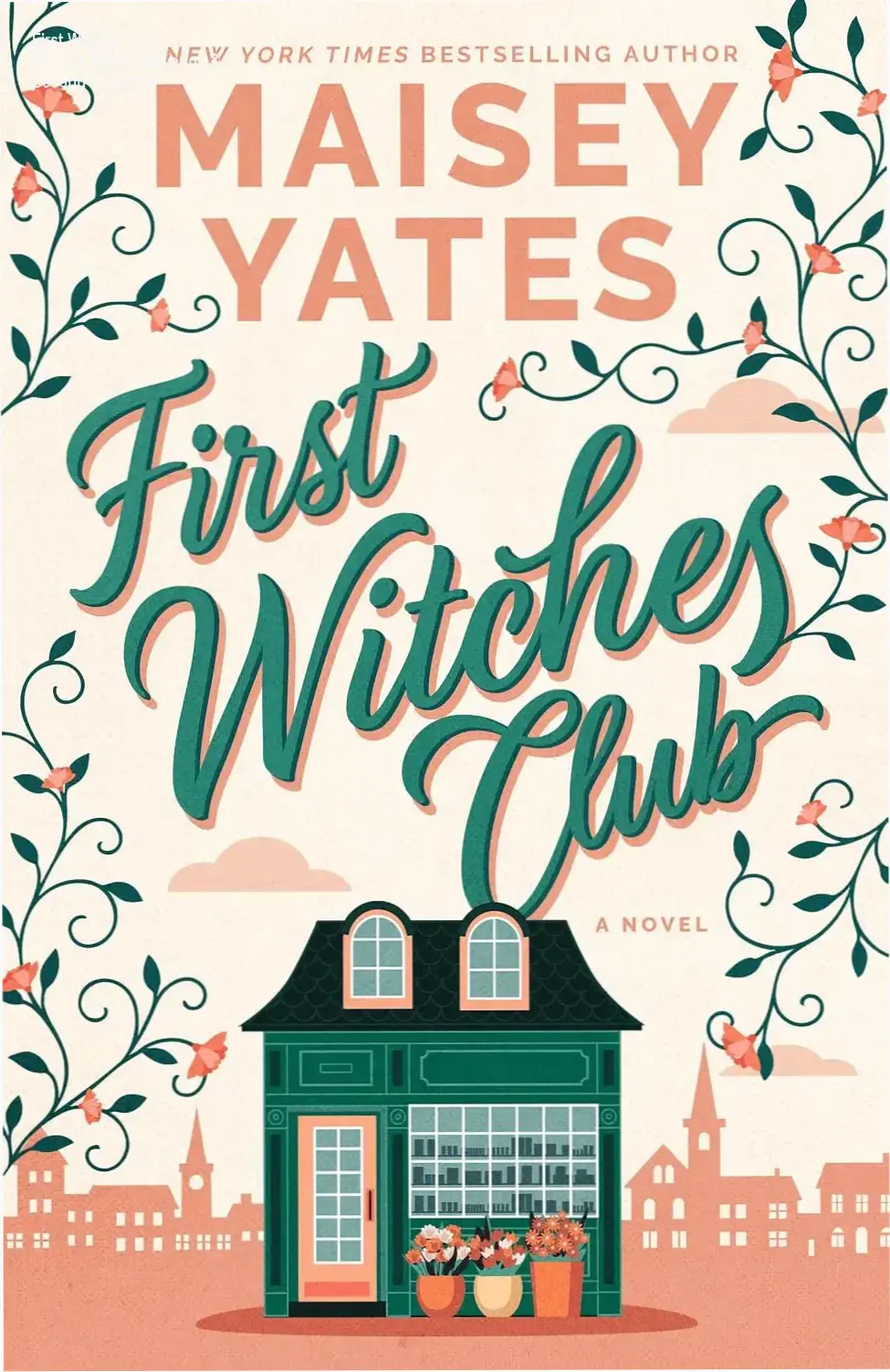
Don’t buy this expecting a cozy mystery or a paranormal women’s fiction deep-dive into midlife crisis. It sits firmly in “Romantic Comedy with Sparkles.” The cover and title suggest a coven-centric plot; the reality is three parallel romance novellas braided together. The apothecary shopkeeper is a catalyst, not a POV character.
Also, the Kindle formatting has occasional hyphenation quirks in the early chapters—annoying but readable.
Contextual FAQ
Is it a series? Marketed as a standalone, though the ending leaves the door wide open for a “Second Witches Club.”
Spice level? Moderate. Open-door scenes for two couples, fade-to-black for the third. Emotional intimacy carries more weight than explicit mechanics.
Audiobook narrator? Single narrator, solid differentiation for the three leads. Good pickup if you prefer listening.
Value Proposition
At 363 pages, it delivers exactly what the blurb promises: catharsis, chemistry, and closure. The price point for the Kindle edition sits squarely in “impulse buy” territory for the entertainment hours provided. It’s not literature you’ll annotate, but it’s a high-quality comfort read you’ll likely re-read on a bad day. Check current pricing and reader sentiment here.
Final Editorial Verdict
“First Witches Club: A Novel by Maisey Yates” delivers on its core promise for its intended audience, offering compelling insights without fluff. As highlighted in our detailed edition breakdown, its practical depth and readability are its greatest strengths.
We also recommend checking the official Kindle sample and reader ratings before making your final purchase decision.
*You will be redirected to Amazon. As an Amazon Associate, we earn from qualifying purchases.