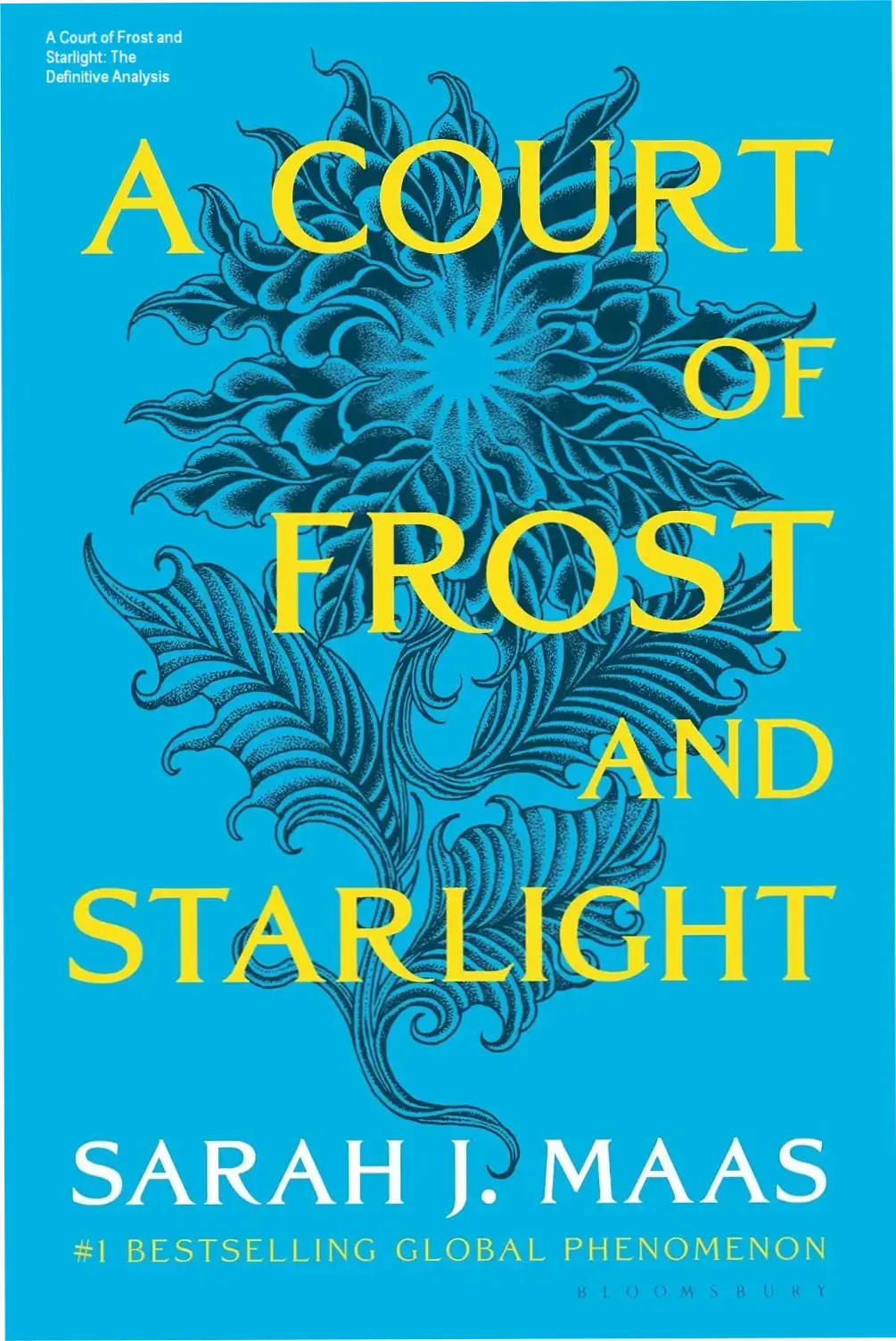
A Court of Frost and Starlight: The Definitive Analysis
Most readers know the crushing void that follows a massive series climax. You’ve survived the war, the villains are gone, and the credits roll—but you aren’t ready to leave the characters behind. This “post-series depression” is where many writers fail, either rushing into a forced new conflict or leaving the resolution too abrupt.
Sarah J. Maas attempts to bridge this gap with A Court of Frost and Starlight, a transitional piece that functions more like a long epilogue than a traditional novel. Before diving into the emotional wreckage of the Night Court, it is worth checking the current reader reception to see if this “bridge” fits your specific reading appetite.
Ready to dive into “A Court of Frost and Starlight”?
Explore available editions, check current live pricing, or download a free sample directly on Amazon.
Preview Free Sample & Check Price on Amazon
*You will be redirected to Amazon. As an Amazon Associate, we may earn from qualifying purchases.
The “Bridge” Dilemma: Pacing and Purpose
Let’s be honest: this isn’t a novel. It is a novella masquerading as a full entry in the series. If you are expecting the high-stakes political maneuvering or the adrenaline-pumping battles of the previous books, you will be disappointed.
The pacing is glacial. Maas swaps the epic scale for “slice-of-life” domesticity. We spend a significant amount of time discussing holiday preparations and the logistics of rebuilding a city.
For some, this is a refreshing breather. For others, it feels like filler. The narrative doesn’t move forward so much as it breathes in place, focusing on the quiet moments between the chaos.
| Feature | Expectation (Novel) | Reality (Bridge Novella) |
|---|---|---|
| Plot Drive | External Conflict/War | Internal Healing/Recovery |
| Pacing | Fast/Urgent | Slow/Atmospheric |
| Stake Level | World-ending | Emotional/Relational |
Trauma and the Invisible Scars
Where this book actually succeeds is in its exploration of PTSD. The war is over, but the characters are not “fixed.” This is the core emotional engine of the story.
Feyre’s transition to High Lady isn’t just about a title; it’s about managing the collective grief of her people. The narrative highlights that victory doesn’t erase the trauma of those who survived it.
The focus on the “invisible wounds” gives the story a grounded, human quality. It acknowledges that healing is not a linear process, but a messy, frustrating cycle of two steps forward and one step back.
“The war had ended, but the battle within was just beginning.”
Expectation vs. Reality: The Fan Divide
The discrepancy between the Amazon rating (4.2) and the Goodreads rating (3.7) tells you everything you need to know about this book. It is a polarizing piece of writing.
Reddit discussions often center on the “lack of plot.” Many readers felt cheated by the length and the lack of a central antagonist. They wanted more “action” and less “talking about feelings.”
However, the loyalists argue that this stillness was necessary. Without this bridge, the jump to the subsequent books would feel disjointed. It provides the necessary emotional scaffolding for the characters’ growth.
Technical Breakdown: The Reading Experience
At 272 pages, it’s a quick read. The prose remains consistent with Maas’s style—heavy on emotion, descriptive of luxury and longing, and deeply character-centric.
The learning curve is non-existent if you’ve read the first three books. However, attempting to read this as a standalone is a recipe for total confusion.
It serves as a curated gallery of character moments. It is less about what happens and more about how the characters feel about what already happened.
| Pros | Cons |
|---|---|
| Deep dive into character psychology | Lack of a driving plot |
| Excellent portrayal of post-war recovery | Feels like an extended epilogue |
| Necessary setup for later books | Pacing can feel stagnant |
Target Audience Fit: Who is this for?
If you are a “plot-first” reader, you will likely find this tedious. You will spend half the book wondering when the “real” story starts. It never does.
If you are a “character-first” reader, this is a goldmine. It provides the intimacy and the quiet dialogue that the larger, more chaotic novels often sacrifice for the sake of the plot.
Ultimately, this is a love letter to the fandom.
Who This Book Is Actually For
This isn’t a standalone novel. It’s a bridge. If you are a completionist of the ACOTAR series and care deeply about the emotional residue of war, this is for you.
The ideal reader is someone who prioritizes character study over plot progression. You’ll find value here if you enjoy “slice-of-life” moments within a high-fantasy setting, specifically focusing on the psychological recovery of the Night Court.
Who Should Probably Skip It
If you are looking for high-stakes battles, new villains, or a driving narrative arc, put this book back.
Many readers mistake this for a full-length novel. It is a novella. If you hate “filler” content or feel that internal monologues about trauma are tedious when not paired with action, you will find this pacing frustratingly slow.
Value for Money & Common Purchasing Missteps
The biggest mistake buyers make is expecting the momentum of A Court of Wings and Ruin to carry over. It doesn’t.
From a technical standpoint, the value is skewed. You aren’t paying for a plot; you’re paying for the emotional transition required to make the events of A Court of Silver Flames make sense. Without this bridge, the character shifts in later books feel abrupt.
Contextual FAQ
- Is it mandatory? Technically, no. Emotionally, yes. It sets the stage for the shift in perspective.
- Is there a main antagonist? Not in the traditional sense. The “enemy” here is PTSD and the struggle to rebuild.
- Does it resolve the war? The war is over; this is about the cleanup.
Editorial Conclusion
A Court of Frost and Starlight is a polarizing piece of the puzzle. It lacks the adrenaline of its predecessors but provides the necessary breathing room for the characters to exist as people rather than just soldiers.
It is a low-stakes, atmospheric read that serves a specific architectural purpose in Sarah J. Maas’s world-building. If you’re undecided, it’s worth checking the latest reader reviews on Amazon to see if the slower pace aligns with your current reading mood.
Final Editorial Verdict
“A Court of Frost and Starlight” delivers on its core promise for its intended audience, offering compelling insights without fluff. As highlighted in our detailed edition breakdown, its practical depth and readability are its greatest strengths.
We also recommend checking the official Kindle sample and reader ratings before making your final purchase decision.
*You will be redirected to Amazon. As an Amazon Associate, we earn from qualifying purchases.