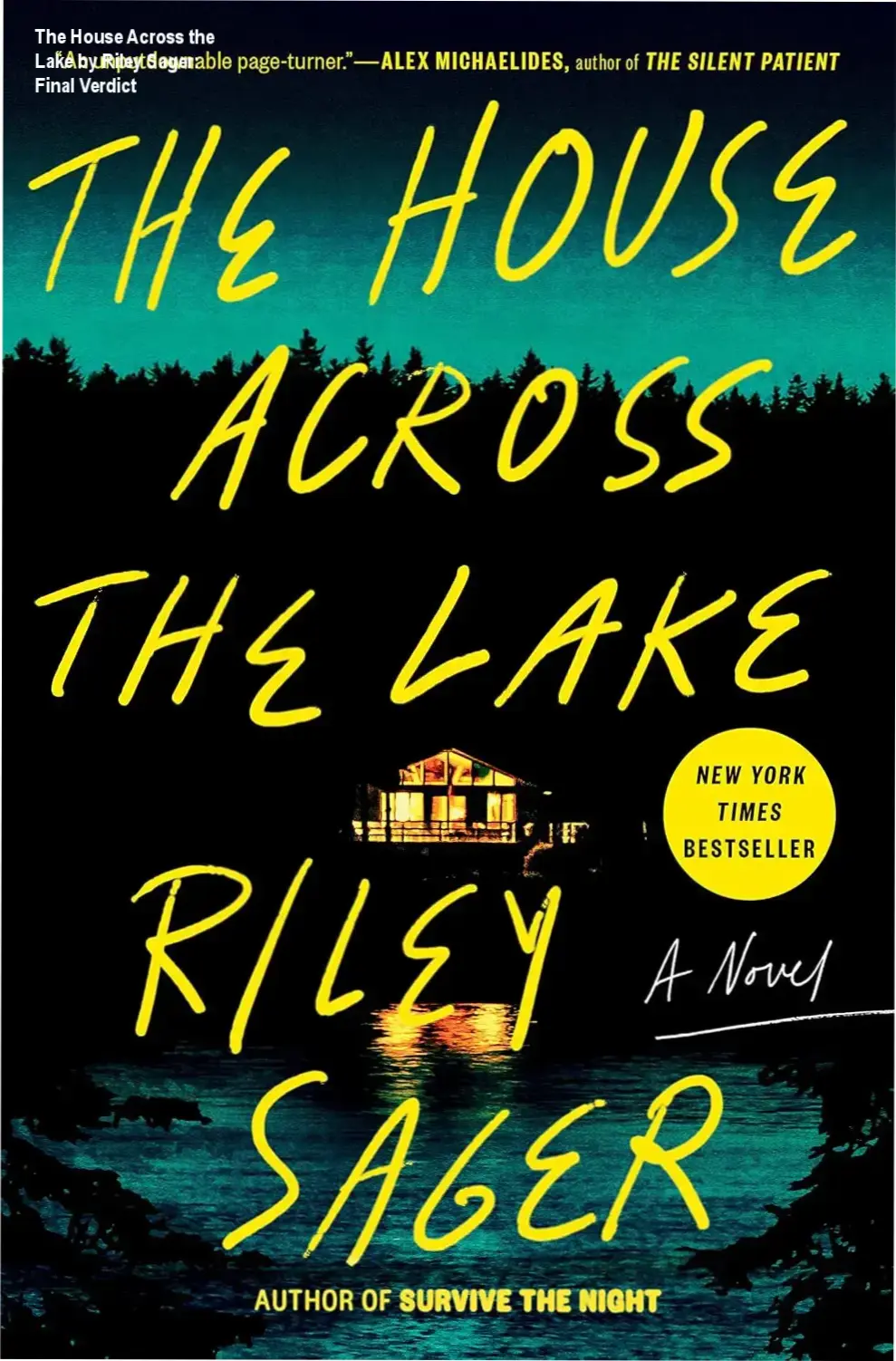
We have an innate, almost pathological obsession with the lives of people who seem to have it all. Whether it is scrolling through a curated Instagram feed or peering through a fence, the human brain craves the gap between the public facade and the private mess. This voyeuristic impulse is the engine that drives psychological thrillers, and it is exactly where Riley Sager plants his flag in “The House Across the Lake”.
For many, the expectation is a simple “Rear Window” homage—a slow burn that rewards patience. However, the market reaction to this New York Times bestseller suggests something more polarizing. It is a book designed for the “beach read” demographic: high speed, high tension, and a plot twist that attempts to pull the rug out from under you just as you get comfortable.
Ready to dive into “The House Across the Lake”?
Explore available editions, check current live pricing, or download a free sample directly on Amazon.
*You will be redirected to Amazon. As an Amazon Associate, we may earn from qualifying purchases.
The “Popcorn” Pacing: Velocity Over Depth
Riley Sager does not write literary fiction; he writes cinematic experiences. The prose is lean, stripped of unnecessary flourish, and designed to move the reader from one cliffhanger to the next with minimal friction.
The pacing is aggressive. Sager understands that the modern reader has a short attention span, so he delivers “micro-rewards”—small revelations every few chapters that keep you turning the page even when the plot feels like it is circling the drain.
However, this speed comes at a cost. Character development is often sacrificed for the sake of the “reveal.” Casey, our protagonist, is more of a vehicle for the plot than a fully realized human being. You don’t necessarily love her; you just follow her binoculars.
Narrative Architecture and the “Twist” Obsession
The structure is a classic trap. We are presented with a glamorous couple, a mysterious disappearance, and a witness with a clouded past. It is a formula that works because it plays on our distrust of perfection.
Sager is obsessed with the plot twist. In this novel, he attempts his “best plot twist yet,” as claimed by the marketing. But here is the skeptical take: there is a fine line between a shocking revelation and a narrative cheat.
“The more Casey watches, the more she realizes that the perfect marriage across the lake is a carefully constructed stage play.”
The tension builds effectively, but the resolution divides the audience. Some see it as a stroke of genius; others, particularly on Goodreads, find it a bit too convenient. It is the literary equivalent of a movie that spends two hours building a mystery only to solve it with a “it was all a dream” style pivot.
Expectation vs. Reality: The Rating Gap
If you look at the numbers, there is a telling discrepancy. A 3.9 on Amazon versus a 3.6 on Goodreads. This usually indicates a “casual vs. hardcore” reader divide.
Casual readers love the escapism. They want a book that feels like a Netflix series—fast, glossy, and surprising. For them, the book is a home run. Hardcore thriller fans, however, often find Sager’s twists to be repetitive or logically flimsy.
Feature
The Promise
The Reality
Plot Twist
Mind-bending shift
Polarizing; high shock, medium logic
Character Depth
Psychological study
Functional archetypes
Atmosphere
Eerie lake house isolation
Strong, cinematic setting
Who Should Actually Read This?
This isn’t a book for everyone. If you enjoy the “voyeur” trope—think Rear Window but with more bourbon and modern trauma—this is your territory. It’s designed for the “binge-reader” who prioritizes pacing and shock value over dense prose.
The ideal reader: Someone who wants a psychological puzzle that moves fast, values a “big reveal” above all else, and enjoys the atmosphere of isolated, high-tension settings.
Who should skip it: If you are a purist who dislikes unreliable narrators or plot twists that feel “engineered” for shock rather than organic growth, you’ll find this frustrating. This is a plot-driven machine, not a slow-burn character study.
The Value Proposition: Entertainment vs. Depth
From a value-for-money perspective, you aren’t paying for literary prestige. You’re paying for a highly effective “escapist” experience. Sager excels at the architecture of suspense; he knows exactly when to drop a hint and when to yank the rug out from under you.
Common purchasing missteps: Do not buy this expecting a gritty, realistic crime procedural. This is “popcorn suspense.” If you’re looking for a deep dive into the psychology of grief without the “gimmicks,” look elsewhere.
Quick Verdict FAQ
Is the twist predictable? For seasoned thriller veterans, some beats are visible. For the casual reader, it’s a genuine gut-punch.
Is it a fast read? Extremely. The short chapters and cliffhangers are designed to keep you awake until 3 AM.
Does it hold up? As a standalone entertainment piece, yes. As a piece of timeless literature, unlikely.
Editorial Conclusion
The House Across the Lake is a polished piece of commercial fiction. It doesn’t reinvent the wheel, but it spins it with precision. While some might find the plot pivots a bit too convenient, the sheer momentum of the narrative makes it hard to put down.
It’s a reliable choice for a vacation read or a weekend binge. If you’ve enjoyed Sager’s previous work, this fits the brand perfectly. To see how other readers reacted to the final twist, you can check the latest user reviews on Amazon.
Final Editorial Verdict
“The House Across the Lake” delivers on its core promise for its intended audience, offering compelling insights without fluff. As highlighted in our detailed edition breakdown, its practical depth and readability are its greatest strengths.
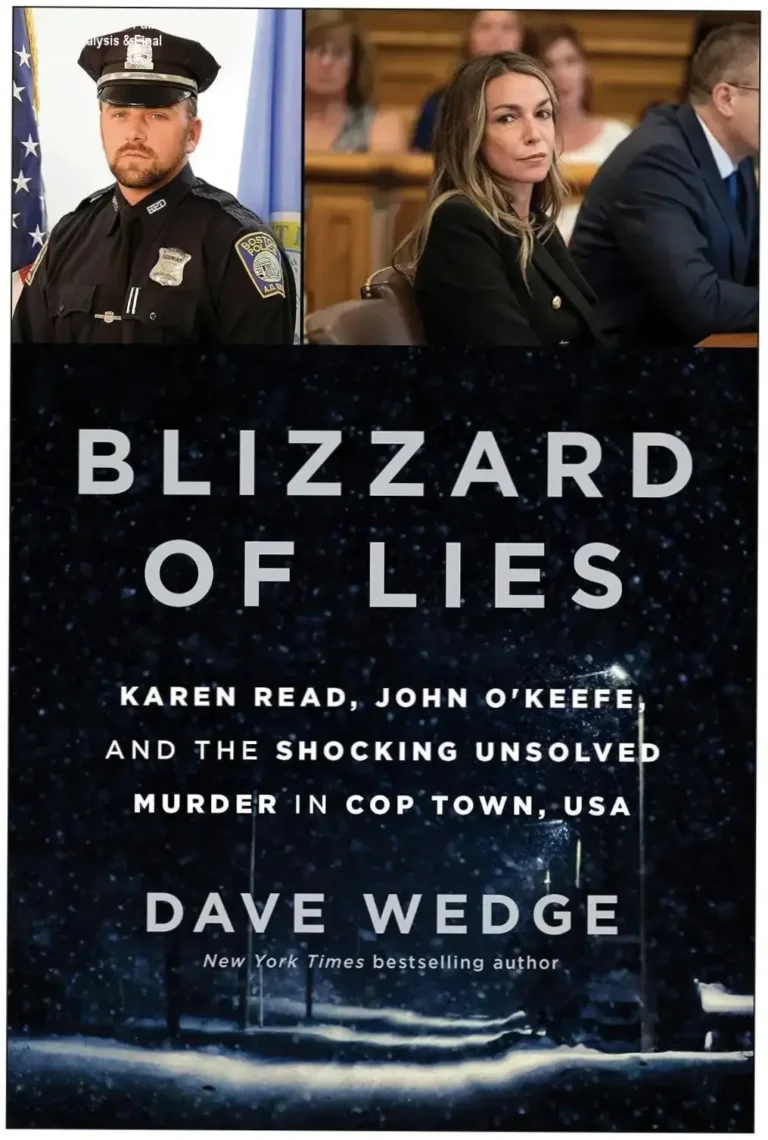
True crime often sells the illusion of closure. We crave the moment the handcuffs click and the mystery evaporates, leaving behind a neat, tidy explanation for a horrific act. But real life—especially when it intersects with institutional power—is rarely that convenient. The case of Karen Read and the death of John O’Keefe is a masterclass…
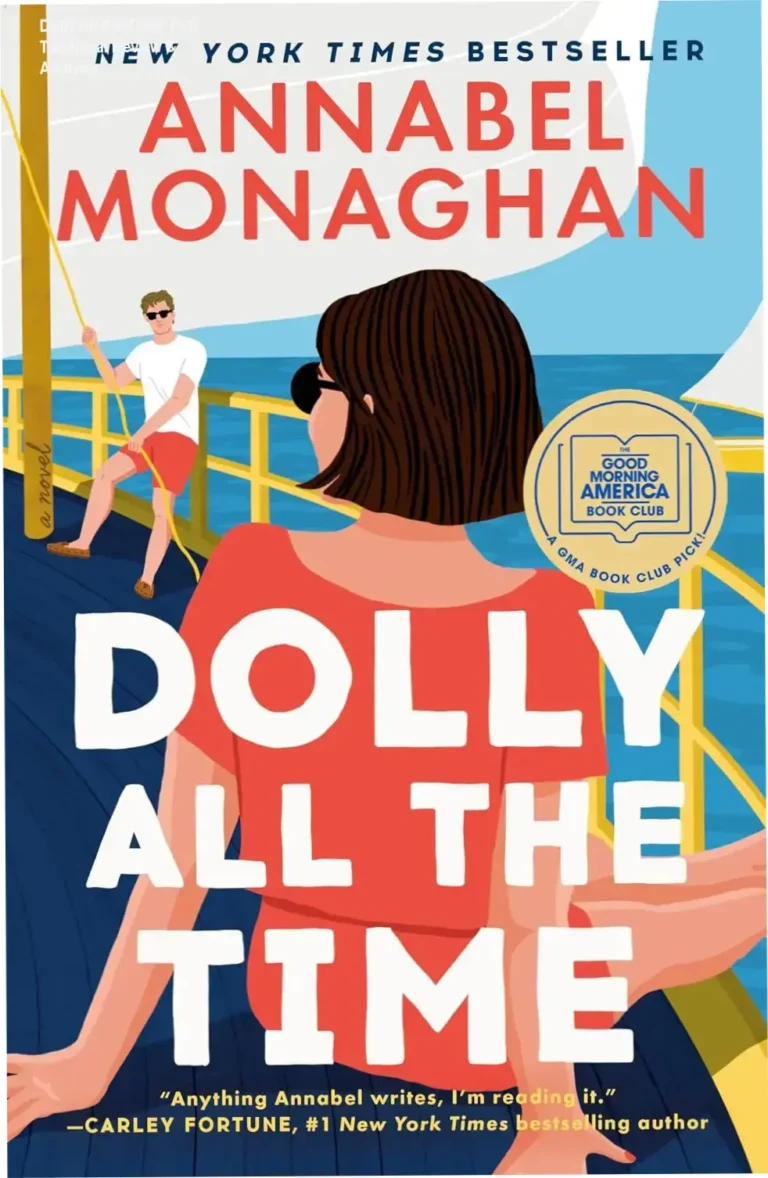
We often wonder if the lives we lead are truly ours, or if we are merely performing roles dictated by duty and family expectations. The tension between personal autonomy and the weight of legacy is a universal human struggle that resonates deeply in modern literature. Annabel Monaghan tackles this complexity in her latest release, offering…
Most readers don’t just look for a story; they look for an exit strategy from their daily routine. The modern craving for “romantasy”—that volatile mix of high-stakes fantasy and intense romance—is essentially a search for emotional catharsis. We want worlds where the stakes are life and death, but the tension is primarily about who is…
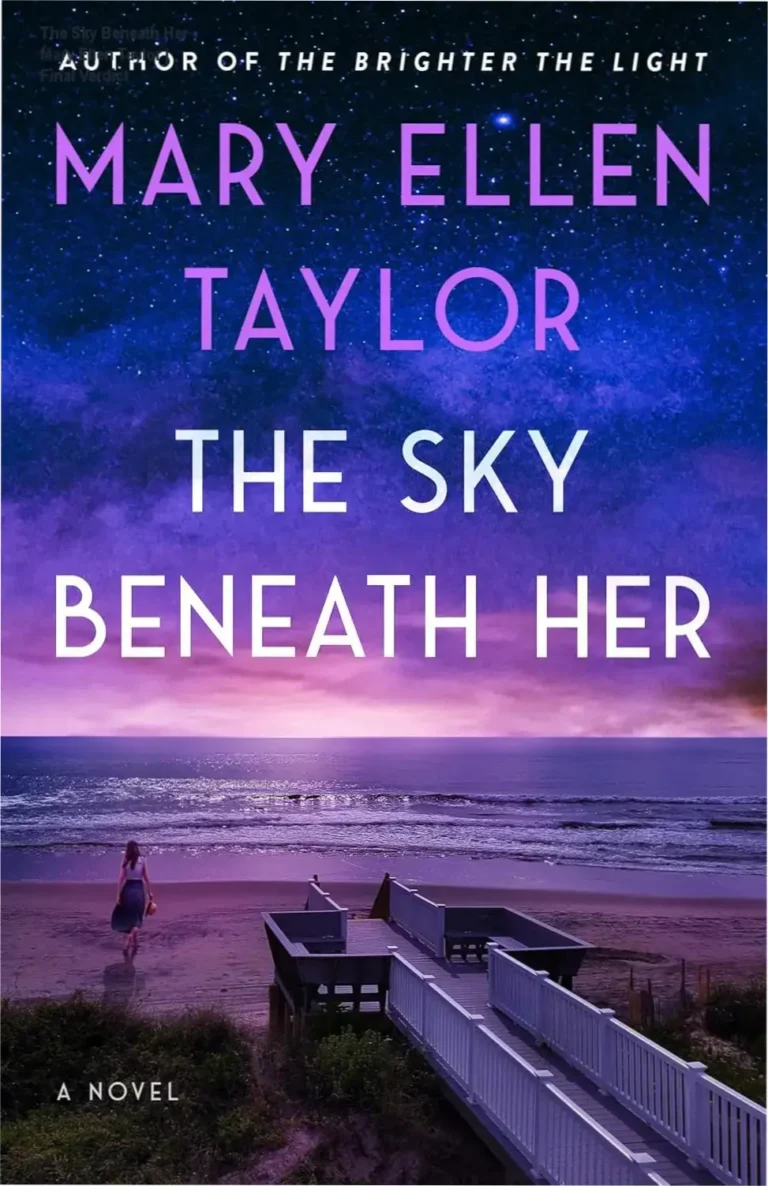
Grief often anchors us to the shore, making the vast unknown of the future feel impossible to navigate. Mary Ellen Taylor’s latest release tackles this paralysis through a protagonist literally terrified of the water that claimed her mother. The novel sits comfortably in the dual-timeline women’s fiction space, blending historical mystery with a clean romance…
Most people treat UFOs and Artificial Intelligence as two separate rabbit holes. One is for conspiracy theorists in tin-foil hats; the other is for Silicon Valley engineers obsessed with efficiency and the singularity. However, the real tension isn’t in the technology itself, but in our desperate, human need to find a “higher” intelligence to guide…
Most of us spend our days trapped in a loop of spreadsheets, deadlines, and digital noise. We don’t just want a story; we want a total exit strategy from reality. This is where the “Romantasy” craze hits its peak, promising a blend of high-stakes magic and visceral emotional tension that makes real life feel dull…