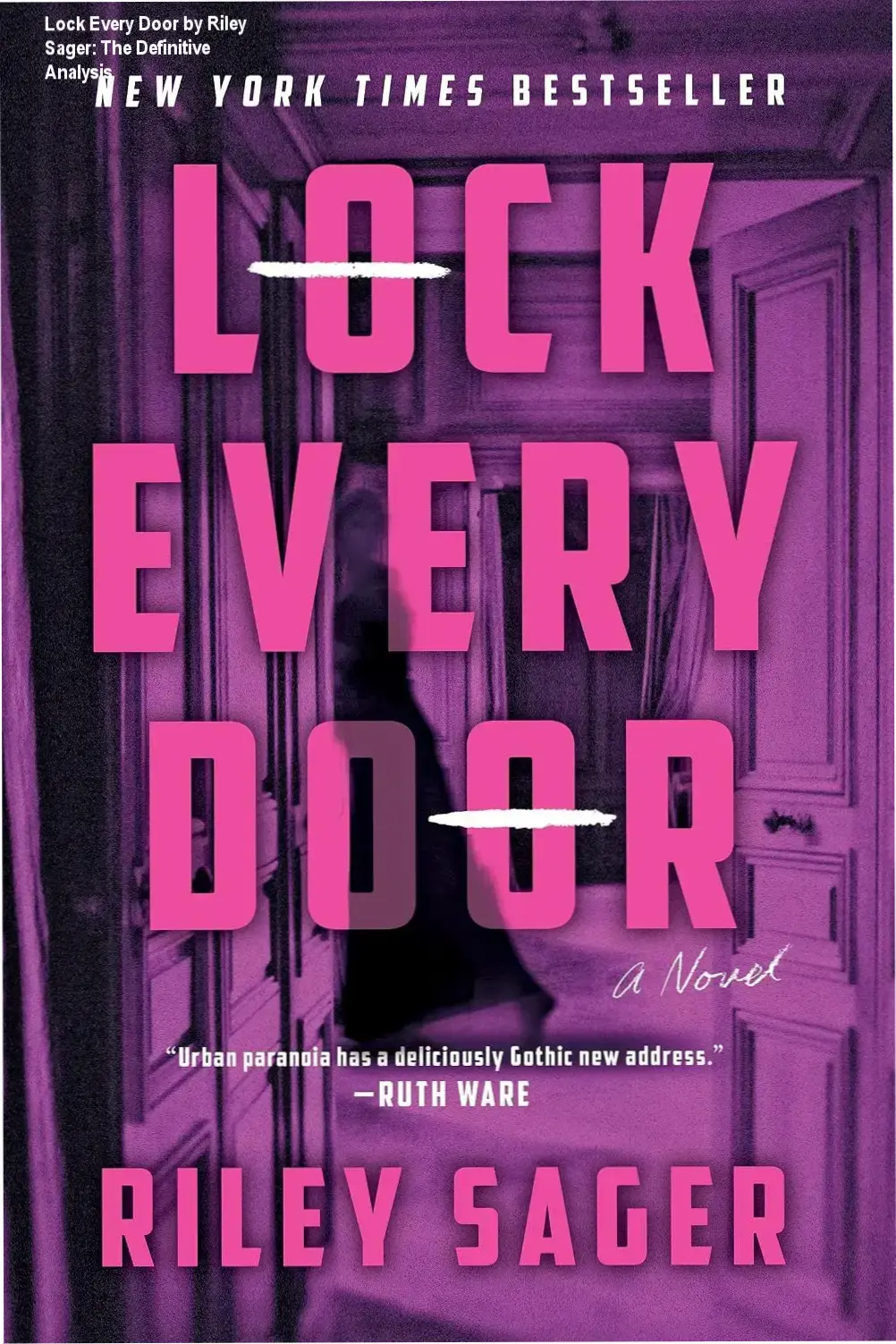
Lock Every Door by Riley Sager: The Definitive Analysis
Most of us have fantasized about a clean slate—a sudden opportunity to escape a crumbling personal life and move into a place where the rent is paid and the views are breathtaking. It is the ultimate urban fantasy: the high-end luxury apartment where the only rule is to stay out of the way. But in the psychological thriller genre, luxury is rarely free; it usually comes with a hidden tax paid in sanity and safety.
Readers typically approach Riley Sager expecting a cinematic ride, a narrative that mimics the tension of a prestige streaming series. The challenge is whether the plot delivers a genuine payoff or simply relies on atmospheric dread. If you are looking for a story that balances gothic mystery with modern Manhattan anxiety, you can check the current reader reception and availability of Lock Every Door to see if it fits your current mood.
Ready to dive into “Lock Every Door”?
Explore available editions, check current live pricing, or download a free sample directly on Amazon.
Preview Free Sample & Check Price on Amazon
*You will be redirected to Amazon. As an Amazon Associate, we may earn from qualifying purchases.
The Pacing: A Sprint Toward a Cliff
Riley Sager doesn’t do “slow burns.” From the moment Jules Larsen enters the Bartholomew, the narrative moves with a calculated urgency. The chapters are short, the hooks are aggressive, and the cliffhangers are designed to keep you scrolling or flipping pages long past midnight.
For a cynical reader, this can feel a bit like a conveyor belt. Sager prioritizes momentum over deep atmospheric lingering. He gives you just enough detail to feel the opulence of the building, then immediately pivots back to the mystery of the disappearing apartment sitter, Ingrid.
This “popcorn” style of writing is exactly why the book performs so well on Amazon. It doesn’t demand an academic level of focus; it demands your attention through a series of escalating questions. Is the building haunted? Is Ingrid a ghost? Or is the management simply hiding a corporate crime?
The Architecture of Dread: The Bartholomew as a Character
The setting isn’t just a backdrop; it is the primary antagonist. The Bartholomew is a gilded cage, blending the prestige of Manhattan real estate with the suffocating vibes of a gothic novel. Sager uses the physical layout of the building—the locked doors, the restricted floors, the hidden histories—to mirror Jules’s own mental state.
The juxtaposition is striking: gleaming marble floors and high ceilings paired with a sordid, blood-stained past. This creates a constant sense of cognitive dissonance for the reader. You feel the luxury, but you smell the decay.
| Element | Atmospheric Impact | Narrative Function |
|---|---|---|
| The Rules | Creates immediate tension | Establishes the “forbidden” nature of the plot |
| The Architecture | Claustrophobic luxury | Acts as a physical manifestation of secrets |
| The Residents | Alienation and suspicion | Provides red herrings and social barriers |
Expectation vs. Reality: The “Twist” Fatigue
The psychological thriller market is currently saturated with “the big twist.” Readers on Reddit and Goodreads often debate whether Sager’s twists are earned or merely convenient. In Lock Every Door, the plot pivots several times, shifting from a ghost story to a crime thriller and finally to something more personal.
If you are a seasoned reader of the genre, some of these turns might feel predictable. The “missing sister” trope is a well-worn path in suspense fiction. However, Sager’s skill lies in how he delivers the reveal rather than the reveal itself.
The gap between the Amazon rating (4.2) and the Goodreads rating (3.9) tells the whole story. Amazon users love the ride; Goodreads users, who tend to be more critical of narrative structure, find the resolution slightly disjointed. It is a book that satisfies the craving for a mystery but might leave the literary critic wanting more nuance.
Character Analysis: Jules and the Trauma Loop
Jules Larsen is a classic “unreliable” or at least “unstable” protagonist. She is broken, broke, and haunted by a family tragedy. Her desperation makes her the perfect pawn for the Bartholomew’s games.
The relationship between Jules and Ingrid serves as the emotional core. Their bond is built on shared trauma and the feeling
Who Should Actually Read This Book?
Lock Every Door is designed for a specific type of reader: the “binge-reader.” If you enjoy atmospheric, claustrophobic settings where the building itself feels like a character, this is your territory.
It appeals strongly to fans of psychological suspense who prioritize a “page-turner” pace over dense, literary prose. If you liked the vibe of The Woman in the Window or The Girl on the Train, Sager delivers that same addictive, high-tension energy.
Who Should Skip It?
Avoid this book if you are tired of the “unreliable narrator” trope. If you find plot twists that rely on withheld information frustrating rather than surprising, you will likely find the resolution polarizing.
Also, skip this if you are looking for a traditional ghost story. While the atmosphere is gothic, the payoff is firmly rooted in the psychological and the tangible. Those expecting a paranormal investigation will be disappointed.
The “Value for Money” Analysis
From a cost-benefit perspective, the value here is in the entertainment-to-time ratio. At 381 pages, it doesn’t overstay its welcome, and the Kindle edition offers an immediate, low-friction entry point into the story.
Common Purchasing Misstep: Don’t buy this expecting a slow-burn character study. This is a plot-driven machine. If you buy it for the “art” of the writing, you might feel it’s too formulaic. Buy it for the suspense, and it’s a steal.
Quick Verdict FAQ
- Is it too predictable? For seasoned thriller veterans, some beats are visible. For the average reader, the twists are effective.
- Is the pacing consistent? It starts as a slow burn but accelerates aggressively in the final third.
- Is it a standalone? Yes, no commitment to a series is required.
Ultimately, Riley Sager knows exactly how to manipulate reader anxiety. While it may not redefine the genre, it executes the “apartment-sitting nightmare” premise with professional precision. To see if the current pricing fits your budget or to read the latest verified buyer warnings, check the live listing on Amazon.
Final Editorial Verdict
“Lock Every Door” delivers on its core promise for its intended audience, offering compelling insights without fluff. As highlighted in our detailed edition breakdown, its practical depth and readability are its greatest strengths.
We also recommend checking the official Kindle sample and reader ratings before making your final purchase decision.
*You will be redirected to Amazon. As an Amazon Associate, we earn from qualifying purchases.