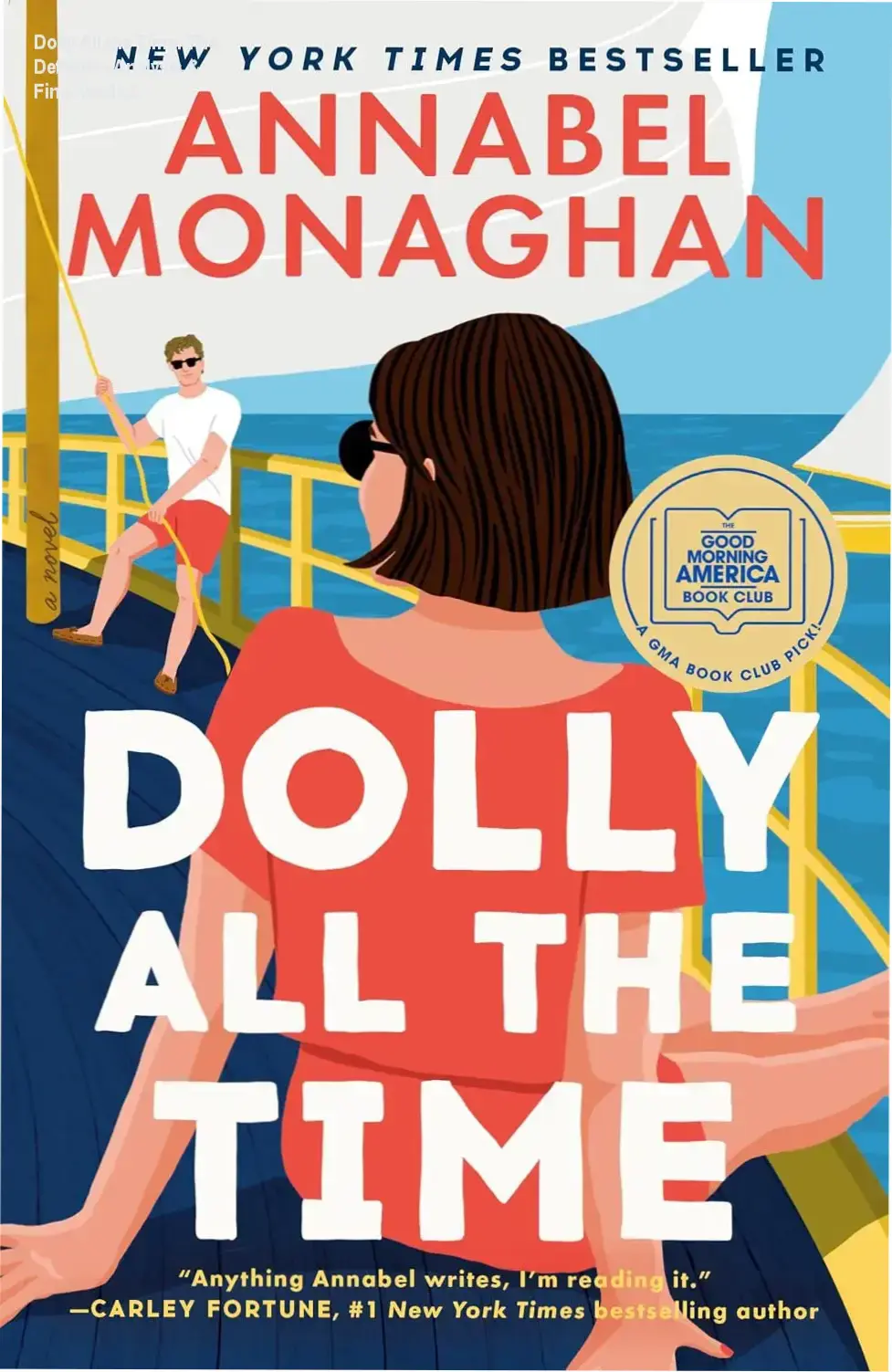
Dolly All the Time: The Definitive Analysis & Final Verdict
Most people spend their lives trying to avoid being the “responsible one.” But for a specific subset of adults, being the family anchor isn’t a choice—it’s a survival mechanism. We see it in the person who manages every crisis, hides their own burnout, and believes that asking for help is a sign of catastrophic failure.
This emotional exhaustion is the silent engine driving “Dolly All the Time.” While marketed as a breezy summer romance, it actually dissects the tension between duty and desire. If you are looking to see how this dynamic plays out in a high-stakes, seaside setting, you can check the current reader reception and availability here.
Ready to dive into “Dolly All the Time”?
Explore available editions, check current live pricing, or download a free sample directly on Amazon.
Preview Free Sample & Check Price on Amazon
*You will be redirected to Amazon. As an Amazon Associate, we may earn from qualifying purchases.
The “Fixer” Complex: More Than Just a Plot Point
Dolly Brick is the quintessential “fixer.” From managing her son’s life to attempting to save her family home in Rhode Island, her identity is fused with her utility to others.
Annabel Monaghan doesn’t just use this as a character trait; she uses it as a psychological barrier. The real conflict isn’t whether Dolly and Stewart will fall in love, but whether Dolly can survive the experience of being cared for.
For many readers, this is where the book moves from “generic romance” to “relatable study.” The struggle to relinquish control is a universal anxiety that resonates far beyond the pages of a contemporary novel.
The narrative effectively mirrors this internal struggle through the pacing. We feel Dolly’s urgency and her subsequent panic when things stop being “problems to solve” and start being “emotions to feel.”
Executing the Fake Dating Trope Without the Cringe
Let’s be skeptical: “Fake Dating” is one of the most overused tropes in the genre. It usually relies on forced proximity and a predictable “oh no, we actually like each other” realization.
However, Monaghan elevates the trope by tying it to social class and public perception. Stewart Whitfield isn’t just a love interest; he’s a scion of the town’s most influential family.
The “fake” arrangement acts as a safe container for two people who are terrified of genuine vulnerability. It allows them to test the waters of intimacy without the immediate risk of emotional bankruptcy.
“Kisses that hit her bloodstream like a ghost pepper.”
This specific imagery highlights the intensity of their chemistry. It’s not a slow burn in the traditional sense; it’s a sudden, sharp realization that the pretense is no longer sufficient.
Atmospheric Immersion: Rhode Island as a Character
The setting isn’t just a backdrop; it’s a catalyst. The seaside town of Whitfield provides a claustrophobic yet beautiful environment that forces the characters together.
Monaghan captures the specific tension of a “hometown return.” The feeling of being an adult in a place that still remembers you as a child is handled with precision.
The contrast between high-society benefits and sunset boat rides creates a rhythmic oscillation between the public masks the characters wear and their private truths.
This atmospheric layering prevents the 400-page length from feeling bloated. The environment provides the necessary texture to keep the romantic tension from feeling repetitive.
| Reader Expectation | The Reality | Verdict |
|---|---|---|
| Light, fluffy beach read | Deep dive into family trauma and duty | Better than expected |
| Who Should Actually Read This? Dolly All the Time isn’t for everyone. It’s specifically engineered for readers who crave “atmospheric comfort.” If you enjoy the slow burn of a seaside setting and the emotional weight of family obligations, this fits your profile. It appeals most to those who appreciate the “competence porn” trope—seeing a protagonist like Dolly, who is the ultimate problem-solver, finally learn how to let someone else carry the load. Who Should Skip ItAvoid this book if you have “fake dating fatigue.” While Monaghan handles the trope with sophistication, it remains a central pillar of the plot. If you’re looking for a high-concept thriller or a romance with a shocking, subversive twist, you’ll find this too predictable. Similarly, readers who prefer fast-paced, plot-driven narratives might find the 400-page length excessive for a contemporary romance. This is a character study masquerading as a beach read. Value for Money: Realistic ExpectationsAt 400 pages, you aren’t paying for a quick novella. You’re paying for immersive world-building. The value here lies in the prose and the emotional pacing, not in a complex plot. Common purchasing mistake: Buying this expecting a “quick manual” on romance or a lightweight romp. This is a narrative about duty and the tension between self-reliance and vulnerability. It requires a bit more emotional investment than your average airport novel. Editorial Verdict: The Bottom LineIs it groundbreaking? No. Is it expertly executed? Yes. The chemistry between Dolly and Stewart is the engine that keeps the story moving, preventing the “small town” clichés from becoming tedious. It succeeds because it balances the fluff of a summer romance with the grounded reality of single motherhood and familial grief. It’s a safe bet for fans of Emily Henry or Carley Fortune. If you want to see how other readers are reacting to the pacing or check for the latest paperback discounts, you can verify the current user ratings on Amazon. Final Editorial Verdict“Dolly All the Time” delivers on its core promise for its intended audience, offering compelling insights without fluff. As highlighted in our detailed edition breakdown, its practical depth and readability are its greatest strengths. We also recommend checking the official Kindle sample and reader ratings before making your final purchase decision. *You will be redirected to Amazon. As an Amazon Associate, we earn from qualifying purchases. Posts Similares
|