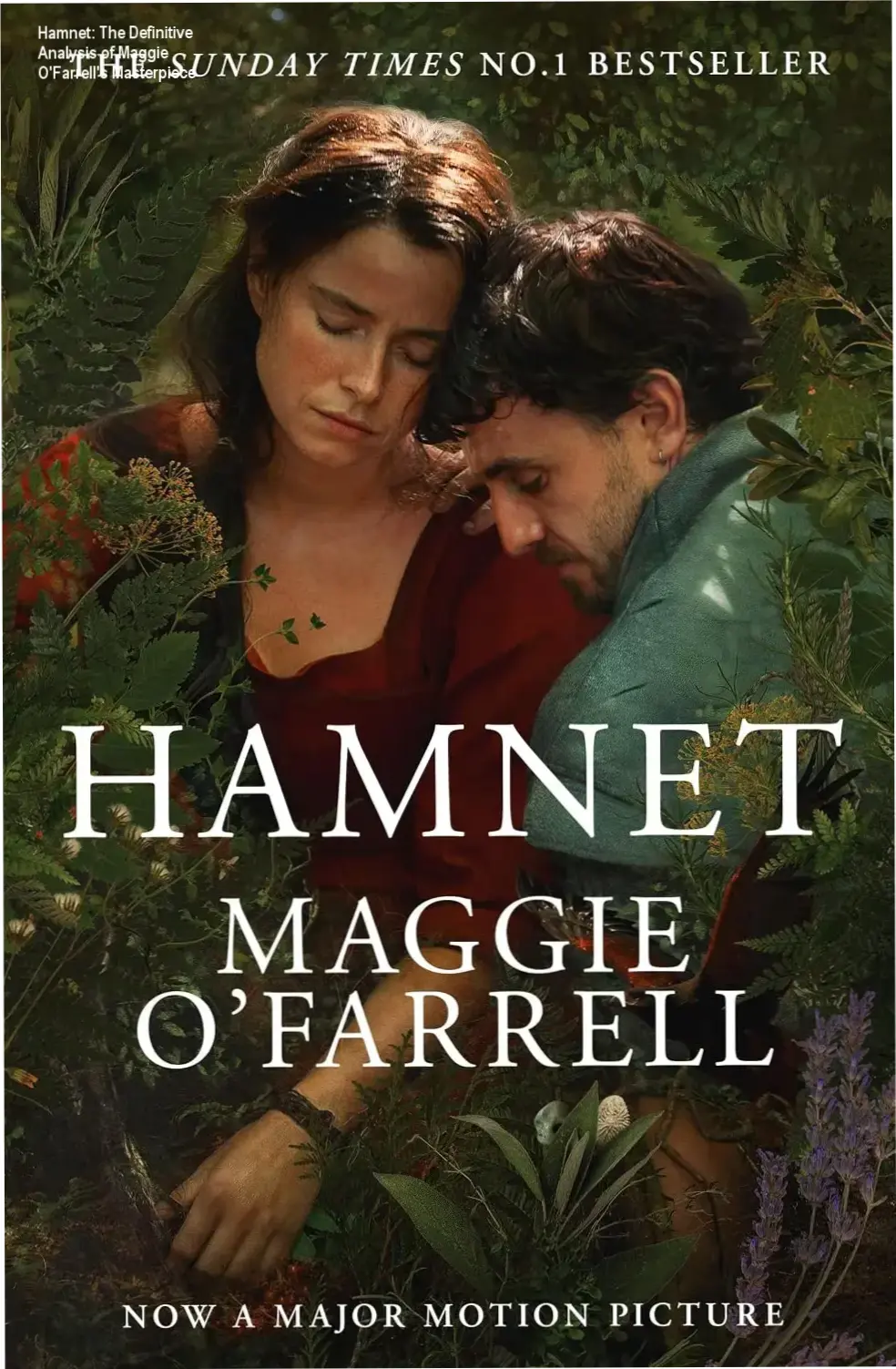
Hamnet: The Definitive Analysis of Maggie O’Farrell’s Masterpiece
Most of us know William Shakespeare as a towering monolith of literature, a man whose words defined the English language. But we rarely think about the man who had to leave his house in Stratford-upon-Avon, leaving behind a wife and children to chase a career in London. We see the plays, but we don’t see the void left by the people who didn’t make it into the history books.
The real challenge of historical fiction is avoiding the “costume drama” trap—where characters feel like cardboard cutouts in period dress. Maggie O’Farrell attempts to solve this by focusing not on the genius, but on the grief. If you want to understand the raw, human machinery behind the world’s greatest playwright, you can check the current reception and availability of Hamnet to see why it has become a modern staple of literary grief.
Ready to dive into “Hamnet”?
Explore available editions, check current live pricing, or download a free sample directly on Amazon.
Preview Free Sample & Check Price on Amazon
*You will be redirected to Amazon. As an Amazon Associate, we may earn from qualifying purchases.
The Sensory Architecture: Writing Style and Pacing
O’Farrell doesn’t just tell a story; she builds a tactile world. The prose is dense, shimmering, and unapologetically atmospheric. She focuses on the smell of medicinal herbs, the dampness of the English countryside, and the oppressive silence of a house in mourning.
For the impatient reader, this might be a hurdle. This is not a plot-driven thriller. It is a slow-burn psychological study. The pacing mimics the experience of grief—sometimes stagnant, sometimes rushing forward in a wave of panic.
Critics often call it “gorgeous,” but a skeptical eye sees a writer who is deeply enamored with her own adjectives. However, this works here. The lushness of the writing contrasts sharply with the sterility of death, making the eventual loss feel more visceral.
The Narrative Gamble: The Unspoken Name
One of the most daring choices in the book is the way O’Farrell handles the identity of the father. For a significant portion of the narrative, the “famous” father is never explicitly named. He is simply the husband, the father, the man in London.
This removes the “celebrity” weight of Shakespeare from the equation. It forces the reader to interact with him as a flawed human being—a man who is often absent and emotionally distant—rather than a literary god.
This structure creates a tension that mirrors the family’s own experience. They are living in the shadow of a man whose ambition takes him away from the very people who ground him.
| Feature | Analysis | Impact on Reader |
|---|---|---|
| Prose Style | Highly sensory and lyrical | Immersive but potentially slow |
| Character Focus | Centric to Agnes (the mother) | Emotional, grounded perspective |
| Plot Device | The death of a child | High emotional stakes/catharsis |
| Who This Book Is Actually For Hamnet isn’t a biography of William Shakespeare. If you’re looking for a factual account of the Bard’s life or a scholarly analysis of his plays, this is not your book. This is a sensory exploration of grief and domesticity. It’s designed for readers who prioritize atmosphere and emotional resonance over a fast-moving plot. The ideal reader is someone who enjoys “slow-burn” historical fiction where the prose is as important as the story. If you appreciate authors who can turn a simple description of a garden or a fever into a visceral experience, O’Farrell will hit the mark. Who Should Skip ItYou should probably pass on this if you fall into these categories:
The Value Proposition: Is It Worth It?From a value-for-money perspective, Hamnet offers a high return on investment in terms of artistic quality. It’s a lean read (around 321 pages) that manages to feel expansive. The common purchasing mistake here is treating it like a “quick beach read.” It requires focus. It’s a book you read to feel something, not just to finish it. Practical Verdict: You aren’t paying for a plot twist; you’re paying for a masterclass in emotional writing. The psychological depth regarding the loss of a child is handled with a precision that justifies the hype. Editorial ConclusionMaggie O’Farrell has succeeded in humanizing a legend by focusing on the shadow—the wife and the son. The book doesn’t just lead up to the creation of Hamlet; it explains the necessity of it. It is a haunting, meticulously crafted piece of fiction that lingers long after the final page. For those who want to experience the emotional weight behind the masterpiece before watching the film adaptation, you can check the latest reader reviews and pricing on Amazon. Final Editorial Verdict“Hamnet” delivers on its core promise for its intended audience, offering compelling insights without fluff. As highlighted in our detailed edition breakdown, its practical depth and readability are its greatest strengths. We also recommend checking the official Kindle sample and reader ratings before making your final purchase decision. *You will be redirected to Amazon. As an Amazon Associate, we earn from qualifying purchases. Posts Similares
|