Most of us have a “what if” person. That one stranger from a vacation, a flight, or a fleeting encounter who vanished as quickly as they appeared, leaving behind a memory that feels more like a fever dream than reality.
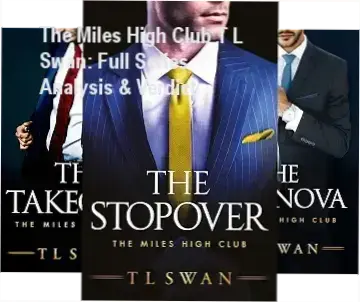
The fantasy isn’t just about the chemistry; it’s about the unresolved tension. When authors like T L Swan tackle this, they aren’t just writing a romance; they are selling the thrill of the unexpected. You can check the current reader reception and availability for The Miles High Club series to see if this specific brand of tension hits the mark for you.
In the crowded market of contemporary romance, the “billionaire boss” trope is practically a commodity. However, the success of this series doesn’t rely on originality, but on execution. It taps into a primal desire for high-stakes passion blended with the professional anxiety of a corporate power imbalance.
Ready to dive into “The Miles High Club”?
Explore available editions, check current live pricing, or download a free sample directly on Amazon.
*You will be redirected to Amazon. As an Amazon Associate, we may earn from qualifying purchases.
The Trope Trifecta: First Class, One Night, and the Corner Office
T L Swan doesn’t play it safe; she leans entirely into the clichés that make the genre move. We have the “chance encounter” in first class, the “anonymous passion” in a foreign city, and the “shocking reunion” in a corporate setting.
From a structural standpoint, this is a high-efficiency narrative. By establishing the chemistry in a vacuum—away from the pressures of real life in Boston—the author creates a baseline of intense desire that makes the subsequent workplace tension feel earned.
The shift from the carefree atmosphere of a stopover to the rigid mahogany desk of a CEO’s office is where the real psychological game begins. It’s no longer just about physical attraction; it’s about power, control, and the fear of vulnerability in a professional environment.
Skeptics might call it predictable. They aren’t wrong. But in romance, predictability is often a feature, not a bug. The reader isn’t asking “will they end up together?” but rather “how agonizingly long will it take for them to give in?”
Pacing and the “Sizzle” Factor
The pacing in The Miles High Club is designed for binge-reading. Swan uses short, punchy dialogue and a narrative rhythm that mirrors the restlessness of the characters.
The “sizzle” is handled with an explicit hand. This isn’t a slow-burn romance in the traditional sense; it’s a flash fire. The descriptions are visceral, focusing on the sensory details of the encounter to ensure the reader feels the same disorientation and heat as the protagonist.
However, the technical strength lies in the dialogue. The banter is sharp, often bordering on the arrogant, which fits the CEO archetype perfectly. It creates a push-and-pull dynamic that keeps the pages turning even when the plot slows down.
“Naughty blue eyes have no place in the workplace.”
This single line summarizes the internal conflict of the series: the war between professional maturity and primal attraction. The author successfully weaponizes the contrast between the “carefree girl” and the “responsible woman.”
Reader Sentiment: The Divide Between Fantasy and Reality
Looking at discussions across Reddit and Goodreads, there is a clear divide in how this series is received. For some, it is the ultimate escapism. For others, the power dynamics are a point of contention.
Many readers praise the “alpha” energy of the male lead, noting that the chemistry feels authentic because it’s rooted in a genuine, albeit brief, connection rather than just a corporate arrangement.
On the other hand, some critics argue that the “CEO/Employee” dynamic is overused and occasionally borders on the unrealistic. But as most verified reviews suggest, the target audience isn’t looking for a manual on corporate ethics; they are looking for a high-voltage emotional experience.
The consensus is clear: if you enjoy the “enemies-to-lovers” or “second-chance” vibes with a heavy dose of steam, this series delivers exactly what it promises on the cover.
Who This Is Actually For
Let’s be clear: The Miles High Club is not for the reader seeking a slow-burn literary study on corporate ethics. It is high-octane, escapist romance designed for a specific appetite.
The ideal reader is someone who thrives on the “forced proximity” trope and the electric tension of a power imbalance. If you enjoy the friction between professional boundaries and raw, undeniable chemistry, T L Swan delivers exactly what is promised.
Who Should Probably Skip It
The Realists: If you cannot suspend disbelief regarding how a CEO actually operates or how “private meetings” work in a modern HR environment, the plot will grate on you.
Plot-Purists: Those who prioritize complex world-building or intricate political intrigue over romantic tension will find the narrative lean.
Slow-Burn Seekers: This series leans into the “sizzling” side of romance. If you prefer a courtship that takes three books to reach a first kiss, this pace will feel aggressive.
Value for Money & Market Positioning
From a purely analytical standpoint, the value proposition here is the binge-factor. Because this is a 4-book series, the cost-per-hour of entertainment is remarkably low, especially in Kindle or Audible formats.
The most common purchasing mistake is treating this as a standalone novel. To get the full emotional payoff and character arc, you have to commit to the series. Buying just one book often leaves the reader hanging on a cliffhanger that feels unresolved without the subsequent volumes.
Editorial Verdict
T L Swan understands her audience perfectly. She doesn’t waste time on filler; she focuses on the chemistry and the “will-they-won’t-they” psychological game. While it adheres to many genre clichés, it executes them with a polish that keeps the pages turning.
It is a polished piece of commercial fiction. It doesn’t reinvent the wheel, but it spins it faster than most. If you are looking for a guilt-free, high-tension escape, it is worth the investment. You can check the current reader ratings and available discounts via the official Amazon listing.
Final Editorial Verdict
“The Miles High Club” delivers on its core promise for its intended audience, offering compelling insights without fluff. As highlighted in our detailed edition breakdown, its practical depth and readability are its greatest strengths.
Imagine this: You’re sitting at your desk, staring at your phone, feeling the weight of a text from a friend that reads, “You’re always so busy. When will you ever have time for me?” Your stomach tightens. You’ve spent hours replaying the conversation, wondering if you’re neglecting your relationships or if you’re just not enough….
We need to output only the first part of a professional analytical book review, starting with a paragraph of contextualization, 180-320 words, with exactly 1 contextual affiliate link using tag “Link_afiliado”. Then after that, insert the featured CTA card HTML block. Then the reading experience section (900-1600 words) with 4-6 thematic blocks, integrate reader feedback,…
Grief doesn’t arrive on a schedule. It ambushes you in the grocery aisle, or years later when a stranger mentions a name you thought you’d buried. Anna Nordberg’s When She Was Ours understands this ambush intimately. The novel opens in 1995 with Thea Erickson, a renowned surgeon facing a terminal diagnosis on her elder daughter…
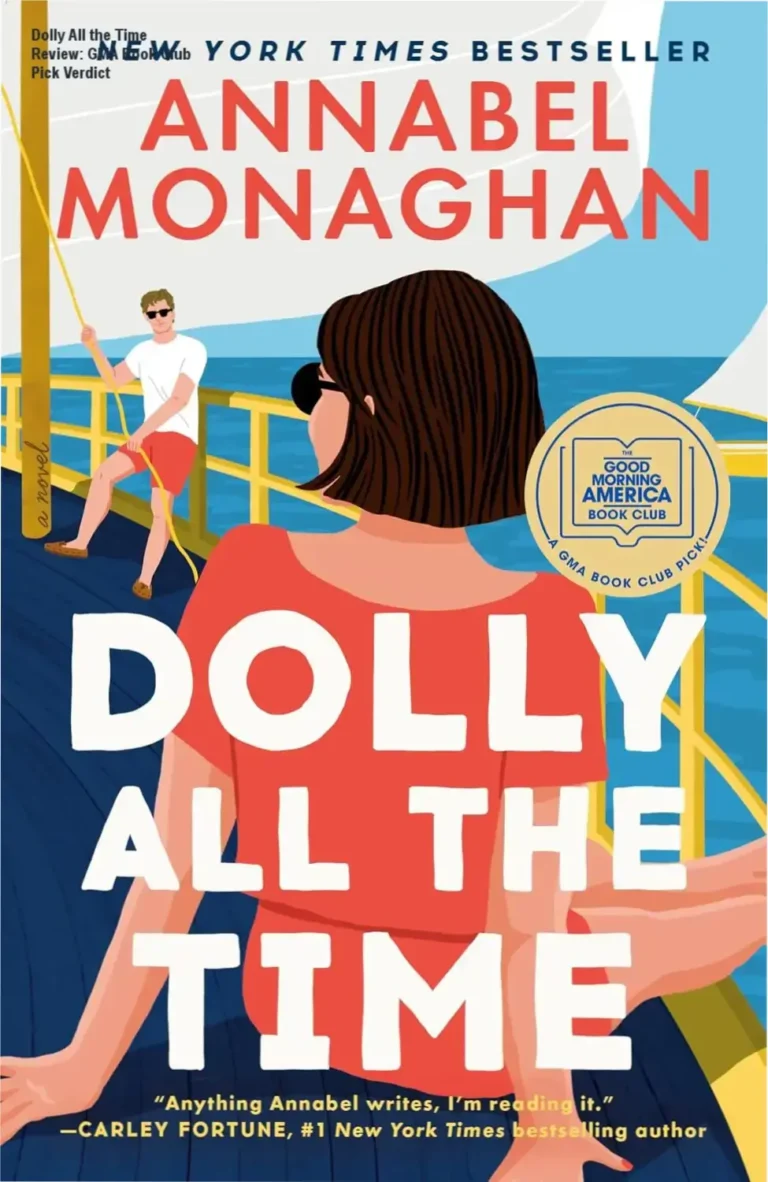
You know that specific gravity of returning to the town you escaped? The one where everyone remembers your mistakes before you’ve even ordered a coffee. Annabel Monaghan’s Dolly All the Time drops you right into that pressure cooker. Dolly Brick isn’t visiting Whitfield, Rhode Island for nostalgia; she’s there to stop the financial bleeding of…
We like to believe we know the people we love. We assume the dinner table conversations and the shared history are the full story. But the digital age has perfected the art of the “shadow life,” where a person can curate a completely different identity just a few clicks—or a few lies—away from their parents’…
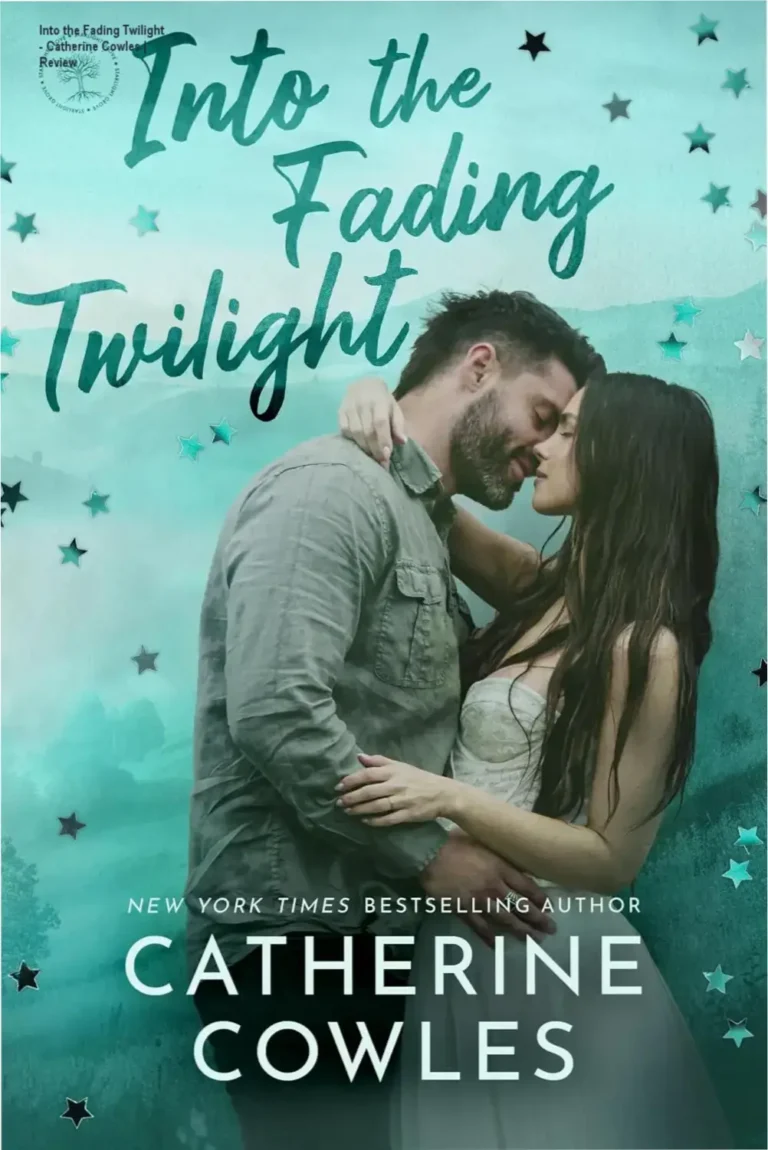
Trauma recovery in romance often feels like a checklist—nightmares, flinching, a magical healing kiss—but Into the Fading Twilight refuses that lazy script. Catherine Cowles builds a protagonist, Nova Monroe, whose 413 days in captivity manifest as a desperate addiction to adrenaline rather than simple fear. She cliff-dives and mountain-bikes not for fun, but to burn…