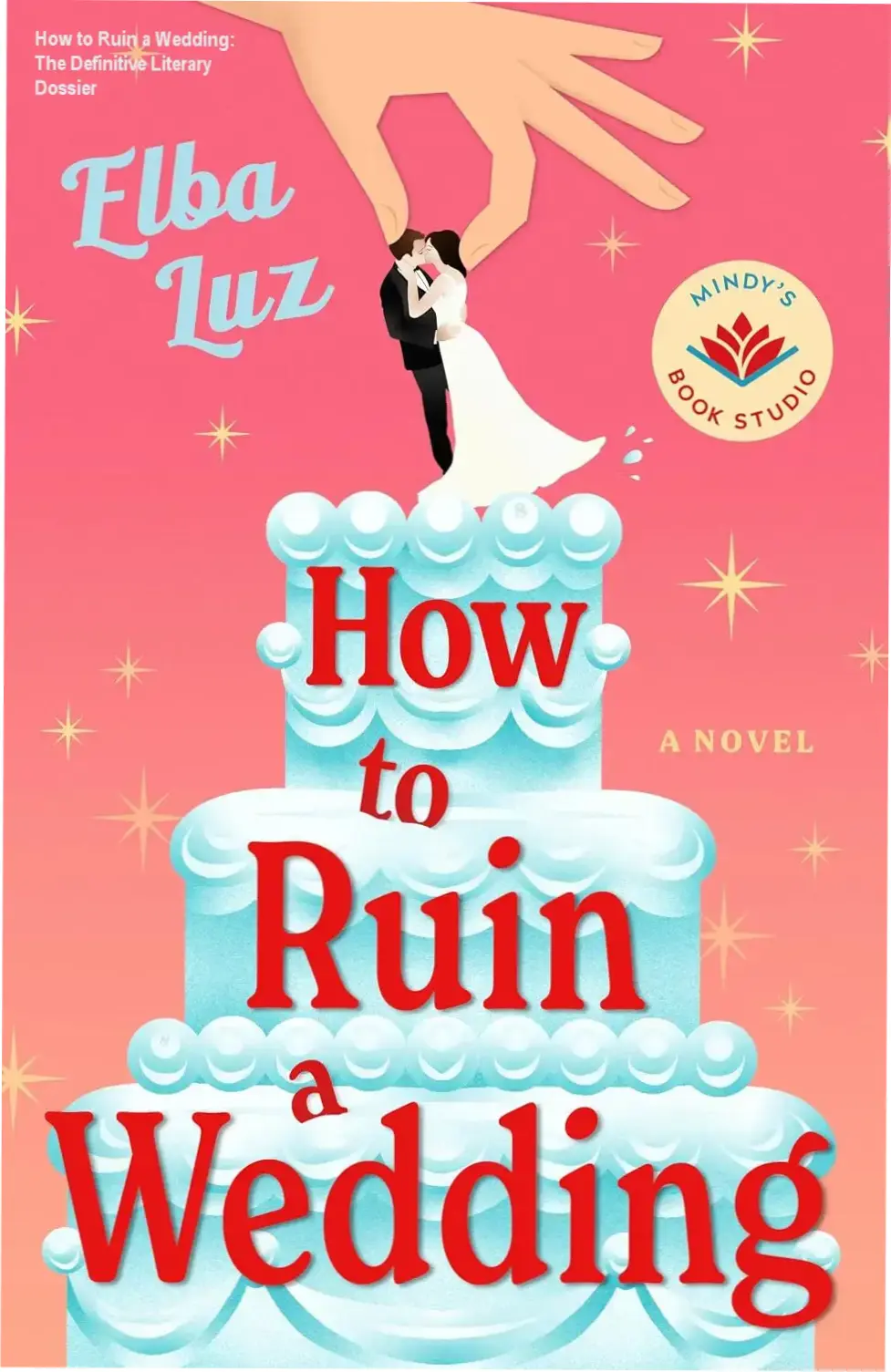
How to Ruin a Wedding: The Definitive Literary Dossier
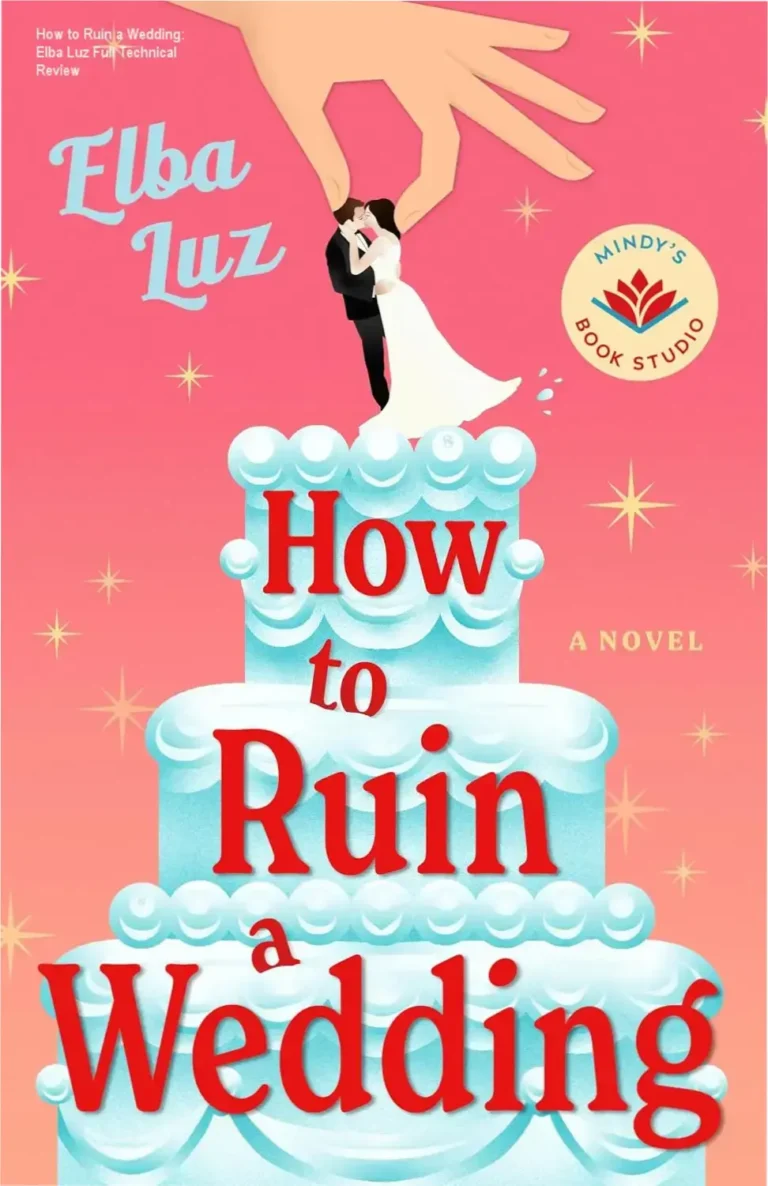
Wedding season fatigue is a specific kind of modern exhaustion. You buy the gift, book the hotel, and paste on a smile while wondering if the open bar justifies the emotional labor of watching two people you barely know promise forever. Elba Luz takes that quiet cynicism and weaponizes it in How to Ruin a Wedding, turning the fantasy of calling “bullshit” on a doomed union into a paid profession. Lucy Delgado isn’t a matchmaker; she’s a mercy killer for bad marriages before they happen. It is a delicious, high-concept hook that immediately separates this from the standard rom-com assembly line. The premise promises chaos, but the execution relies on whether the emotional stakes can survive the slapstick. You can check the current reader consensus here to see if the landing sticks.
Mindy Kaling’s imprint stamp and introduction signal a specific flavor of humor: sharp, self-aware, and slightly messy in a relatable way. Lucy is a protagonist defined by failure—two divorces, a lost job, a crumbling sister dynamic. She isn’t “quirky”; she is damaged goods running a con. That baseline of genuine grief gives the absurdity weight. When Anders Kennedy recruits her to sabotage his sister’s wedding by fake-dating him, the transaction feels earned, not just a plot device. The tension lives in the friction between Lucy’s professional detachment and the inevitable intimacy of the grift. It asks a question romance often ignores: can you manufacture a connection to destroy one, without destroying yourself in the process?
Ready to dive into “How to Ruin a Wedding”?
Explore available editions, check current live pricing, or download a free sample directly on Amazon.
Preview Free Sample & Check Price on Amazon
*You will be redirected to Amazon. As an Amazon Associate, we may earn from qualifying purchases.
The Architecture of a Con: Pacing and Structure
Luz structures the novel like a heist movie. Act one establishes the rules of Lucy’s trade. We see the “Old Lover,” the “Nosy Relative,” the “Wise Stranger.” It is efficient world-building. The pacing is aggressive in the best way. Scenes clip along. Dialogue does heavy lifting. There is very little interior monologue bogging down the forward momentum. This is a commercial fiction engine tuned for velocity.
The inciting incident—crashing the wrong wedding—happens fast. Some readers on Goodreads noted the coincidence strains credulity. Fair point. But romance requires a contract with the reader: accept the meet-cute, get the payoff. Luz honors the contract. The middle section, set at the Kennedy family compound, shifts gears. It becomes a pressure cooker. Fake dating forces proximity. Proximity forces vulnerability. The “high jinks” promised in the blurb are there—cake tastings, family games, awkward dinners—but they serve as camouflage for the real action: two cynics negotiating a truce.
The 299-page count is tight. No saggy middle. The third act climax involves a public meltdown that feels inevitable yet surprising. The resolution doesn’t offer a neat bow. It offers a choice. That restraint elevates the material above genre filler. It respects the intelligence of the reader who bought the ticket for the chaos but stayed for the character work.
Lucy Delgado: The Anti-Heroine We Deserve
Lucy is not “likable” in the traditional sunshine sense. She is brittle. She weaponizes her own trauma as a business model. That is a bold choice for a romantic comedy lead. Early Amazon reviews highlighted a split reaction: some found her refreshing; others found her initially abrasive. “Hard to root for at first,” one verified purchaser wrote, “but you realize she’s just protecting herself.” That arc—from armor to skin—is the book’s spine.
Her dynamic with her sister, Olivia, adds a layer of quiet tragedy. Olivia’s failing marriage is the mirror Lucy refuses to look into. Lucy ruins weddings to save brides from becoming Olivia. Or maybe she does it to punish the universe for letting Olivia suffer. The ambiguity is where the literary meat lives. Luz doesn’t spoon-feed the psychology. She lets the silence between sisters do the talking.
Anders Kennedy functions as the perfect foil. He is golden retriever energy wrapped in old money privilege. He has the luxury of optimism. Lucy has the scars of reality. Watching them recalibrate each other—Anders learning consequences, Lucy learning hope—is the satisfaction engine. The “grumpy x sunshine” trope is well-trodden ground. Luz freshens it by making the grumpiness a survival strategy, not a personality quirk.
Family as Battlefield: The Kennedy Chaos
The Kennedy family is a character unto itself. Loud, intrusive, wealthy, and deeply weird. They operate on a frequency of performative perfection that masks rot. This is where the satire bites. Luz skewers the wedding industrial complex not from the outside, but from inside the tent. The rehearsal dinner scenes are masterclasses in comic tension. Dialogue overlaps. Secrets hum under toasts. Lucy and Anders navigate minefields of expectation.
Readers on Reddit’s r/RomanceBooks compared the family dynamics to Crazy Rich Asians meets The Family Stone. Accurate. The ensemble cast— the terrifying mother, the chaotic siblings, the oblivious bride-to-be—are drawn with broad strokes but specific details. They feel lived-in. The sabotage mission requires Lucy to infiltrate this machine. Watching her hack the social code using her “personas” is a delight. It turns social anxiety into a superpower.
Crucially, the family isn’t just background noise. They are the obstacle course. The sabotage plot forces Lucy to see Anders through their eyes. She sees the pressure he carries. He sees the walls she builds. The “fake dating” trope often feels like a delay tactic. Here, it’s an investigation. Every fake kiss is a data point. Every family dinner is a stress test.
| Who This Book Is Actually For How to Ruin a Wedding isn’t trying to redefine the romance genre. It is a high-energy, trope-driven ride designed for a specific type of reader. You will likely love this if you enjoy “fake dating” dynamics, high-stakes social chaos, and protagonists who use cynicism as a shield. If your reading preference leans toward the humor of Mindy Kaling or the “disaster-human” energy of modern rom-coms, Lucy Delgado will resonate with you. It’s the ideal choice for those seeking an “emotional palate cleanser”—something fast-paced that doesn’t require heavy intellectual lifting but delivers a high dopamine hit. Who Should Probably Skip ItLet’s be honest: this isn’t for everyone. You should avoid this book if:
Value for Money: The Analytical BreakdownAt 299 pages, the pacing is tight. There is very little “filler,” which increases the value of your time spent reading. You aren’t paying for 500 pages of fluff; you’re paying for a streamlined narrative that hits its marks and exits quickly. From a cost-to-entertainment ratio, it performs well. It delivers exactly what the cover promises: humor, romantic tension, and a bit of mischief. It is a low-risk investment for fans of the genre. Quick Contextual FAQIs it too cynical? Is the Mindy Kaling connection significant? Does it feel realistic? Ultimately, Elba Luz has crafted a polished, entertaining piece of escapism. While it doesn’t break new ground, it executes the rom-com formula with precision. To see if the current pricing fits your budget or to read a few sample pages, you can check the live listings on Amazon. Final Editorial Verdict“How to Ruin a Wedding” delivers on its core promise for its intended audience, offering compelling insights without fluff. As highlighted in our detailed edition breakdown, its practical depth and readability are its greatest strengths. We also recommend checking the official Kindle sample and reader ratings before making your final purchase decision. *You will be redirected to Amazon. As an Amazon Associate, we earn from qualifying purchases. Posts Similares
|
|---|