Burnout doesn’t always look like exhaustion. Sometimes it looks like a promotion denied, a relationship ended, and a frantic flight to a Tuscan villa you never wanted to inherit. Vi Keeland taps into that specific, quiet panic in The Fall Affair. The protagonist isn’t chasing love; she’s fleeing a life that stopped fitting. That setup resonates because it mirrors the modern crisis of achievement—doing everything right and still feeling hollow. Keeland uses the “forced proximity” and “grumpy/sunshine” tropes not as crutches, but as levers to pry open a character armored in corporate competence. If you want to see how she balances the escapism with emotional weight, check the current reader reception on Amazon.
The Italian setting isn’t just backdrop; it’s an antagonist. The crumbling shop, the vineyard lease, the grandmother’s manipulative will—these are plot engines forcing the heroine to stop optimizing and start existing. Matteo, the winemaker neighbor, represents the “slow life” ideology the heroine despises. Their clash is ideological before it’s romantic. That friction generates the heat. Readers looking for a low-angst, high-heat escape with a side of family drama will find the sweet spot here. It’s a standalone, so the commitment is low, but the emotional ROI is surprisingly high for a genre often dismissed as fluff.
Ready to dive into “The Fall Affair”?
Explore available editions, check current live pricing, or download a free sample directly on Amazon.
*You will be redirected to Amazon. As an Amazon Associate, we may earn from qualifying purchases.
Writing Style & Pacing: Efficient Heat
Keeland writes clean. Her prose is invisible in the best way—serviceable, sharp, and entirely focused on velocity. She doesn’t waste sentences on purple prose describing sunsets unless that sunset fractures the heroine’s resolve. The dual POV is essential here. It prevents the “grumpy” hero from becoming merely unpleasant. We see his grief, his rigidity, his fear of loss. That interiority earns the grovel later.
Pacing follows a classic three-act romance structure but compresses the “dark night of the soul” into a tight, brutal sequence near the 80% mark. Some readers on Goodreads flagged the third-act conflict as manufactured—a misunderstanding that a conversation would solve. Fair critique. But Keeland writes the *emotion* of that misunderstanding so well (shame, fear of inadequacy) that the logic gap matters less in the moment. The banter is the engine. It’s fast, mean, and funny. That’s the Keeland signature. If the dialogue drags, the book dies. It doesn’t drag.
Core Narrative Structure: The Will as Plot Device
The grandmother’s will is the smartest structural choice in the book. It solves the “why don’t they just leave” problem instantly. Three months. Live in the shop. Work the land. It creates a ticking clock and a forced domesticity that feels earned, not contrived. The antique shop restoration arc gives the heroine tangible agency. She isn’t just falling for a man; she’s building a business, negotiating with tenants, learning a trade. That competence porn is catnip for readers tired of heroines who only exist to be saved.
The vineyard subplot with Matteo adds stakes beyond the romance. It’s a land-use dispute. He has history there; she has the deed. The legal tension mirrors the romantic tension. Ownership vs. stewardship. Transaction vs. relationship. It’s a heavy-handed metaphor if you stare at it, but in the flow of reading? It works. It gives the climax teeth. The resolution of the lease negotiation parallels the resolution of their emotional negotiation. Structural symmetry like that separates pros from amateurs.
Spec
Detail
Ideal Reader Profile
This novel hits a sweet spot for readers who crave atmospheric escapism paired with a mature, enemies-to-lovers dynamic. If you devoured Under the Tuscan Sun but wished for more romantic tension and less renovation logistics, this is your match. It suits the reader who appreciates a heroine defined by professional competence—corporate law, high stakes—rather than chaos, and a hero whose “grumpy” exterior masks deep competence and rootedness, not emotional unavailability.
The pacing is deliberate. It mimics the “slow living” philosophy central to the plot. Readers looking for a weekend binge-read with high-octane plot twists or third-act breakups driven by miscommunication will be frustrated. The conflict here is internal and situational: career identity vs. legacy, speed vs. stillness.
Who Should Skip It
Tropes avoiders: If “inheritance with strings attached” or “city girl meets rural artisan” feels tired, the setup won’t feel fresh enough to carry you.
Spice seekers: The heat level is moderate—emotional intimacy drives the connection far more than explicit scenes.
Plot-driven readers: External stakes are low. There is no villain, no race against a developer, no secret baby. The villain is burnout.
Common Purchasing Missteps
Don’t buy this expecting a light rom-com. The marketing leans “sexy standalone,” but the emotional core deals with grief, familial obligation, and the terrifying prospect of pivoting a life built on external validation. The grandmother’s estate isn’t just a plot device; it’s a character. If you want fluff, this isn’t it. Conversely, don’t skip it assuming “billionaire romance” implies toxic power dynamics. Matteo leases the land; he doesn’t own the heroine. The power balance shifts constantly, which is refreshing.
Contextual FAQ
Is it a true standalone? Yes. No prior Vi Keeland knowledge required.
How “Italian” is the setting? Immersive. Food, dialect snippets, seasonal rhythms, and the specific bureaucracy of Italian property law are woven in organically. It avoids “theme park” territory.
Dual POV? Yes. Essential for selling Matteo’s silence as depth, not indifference.
Editorial Summary
The Fall Affair delivers a competent, emotionally resonant romance that respects the reader’s intelligence. Its greatest strength—patience—is also its commercial risk. The writing is clean, the chemistry earned, and the Tuscan setting rendered with sensory precision rather than postcard clichés. Value for money is high for the Kindle price point; you pay for atmosphere and character arc, not shock value. For the right reader, it’s a comfort read with teeth. You can check current reader sentiment and pricing here.
Final Editorial Verdict
“The Fall Affair” delivers on its core promise for its intended audience, offering compelling insights without fluff. As highlighted in our detailed edition breakdown, its practical depth and readability are its greatest strengths.
A análise técnica do treinamento “A Fórmula do Ar Condicionado”, do instrutor Rodrigo Ferreira, revela um foco agressivo em empregabilidade imediata. O curso não se limita ao básico, mas ataca a maior dor do técnico iniciante: a transição dos sistemas convencionais para a tecnologia Inverter e a manutenção de aparelhos comerciais. Para quem busca profissionalização,…
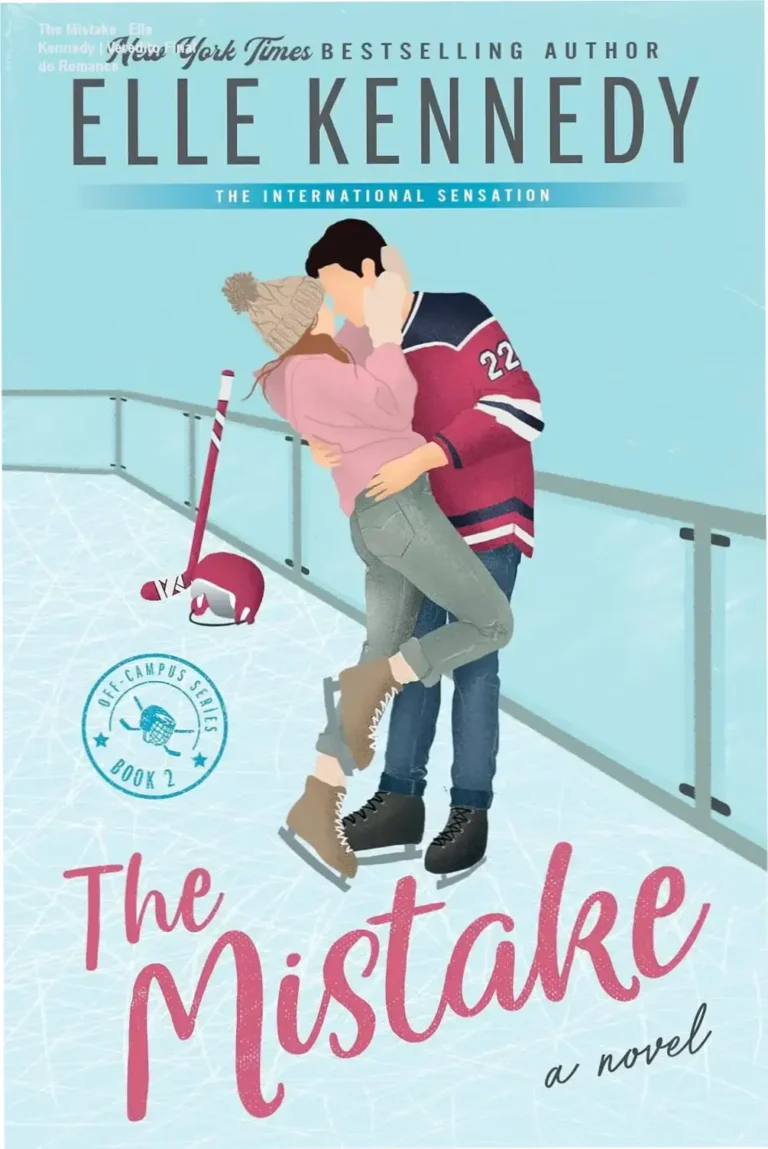
The Mistake não é apenas mais um romance universitário; é um estudo sobre a desconstrução do arquétipo do “atleta arrogante” e a retomada de poder da protagonista feminina. A obra resolve a demanda do leitor por tensões sexuais prolongadas e a satisfação psicológica de ver um personagem privilegiado ter que “trabalhar” por afeto, fugindo do…
A gestão financeira para quem está no vermelho não permite erros de cálculo ou perda de tempo com teorias acadêmicas. O foco deve ser a estancagem imediata de saídas de caixa e a recuperação de valores retidos por bancos. Este guia definitivo para começar do zero foca no que realmente importa: o fluxo de caixa…
Analisamos o Auto Make sob a ótica de conversão e entrega técnica. O curso se posiciona como um guia de entrada para mulheres que buscam autonomia estética sem a complexidade de formações profissionais. O veredito é simples: entrega valor real para iniciantes através da metodologia Fast Beauty. Serve para quem quer praticidade; não serve para…
A manutenção de drones agrícolas DJI Agras exige mais do que a simples troca de peças; requer domínio de eletrônica embarcada e reprogramação de firmware. Este curso é uma especialização técnica voltada para a recuperação de componentes de alto custo, como placas-mãe e baterias inteligentes. Veredito: O treinamento é indicado exclusivamente para técnicos que já…
Haemin Sunim escreveu um livro que não vai curar sua ansiedade. E não promete isso. O que faz é algo mais incômodo: convida você a ficar parado na dor antes de pular pro mantra positivo do Instagram. Na análise completa do livro Quando as coisas não saem como você espera, destrinchamos sua metodologia e aplicações…